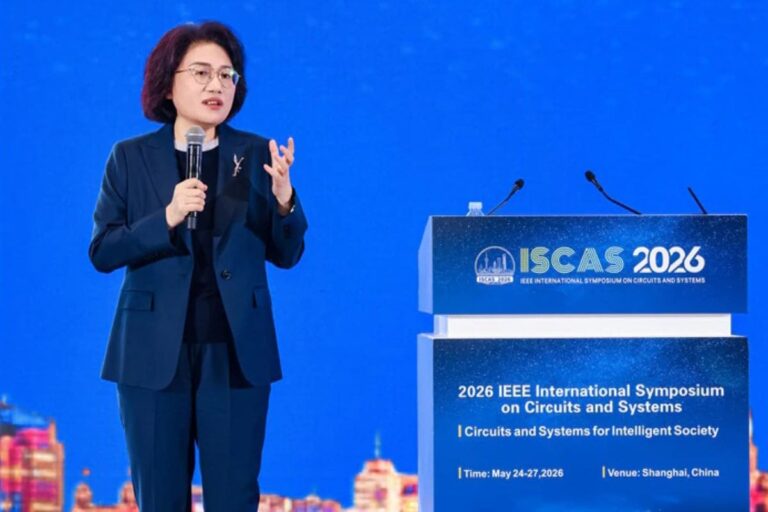
Huawei Challenges the Death of Moore’s Law With Proposed ‘Tau Scaling’ System
Huawei is proposing 'Tau Scaling' as a successor to Moore's Law, aiming to bypass the physical limitations currently facing 2nm chip production.
Huawei is proposing 'Tau Scaling' as a successor to Moore's Law, aiming to bypass the physical limitations currently facing 2nm chip production.

Huawei unveils the Mate X, a high-end foldable 5G device designed to challenge Samsung and Apple amidst escalating U.S. security concerns.
The U.S. Commerce Department has issued a temporary license allowing Huawei to maintain existing networks and update handsets, avoiding a systemic crash of global telecom infrastructure.
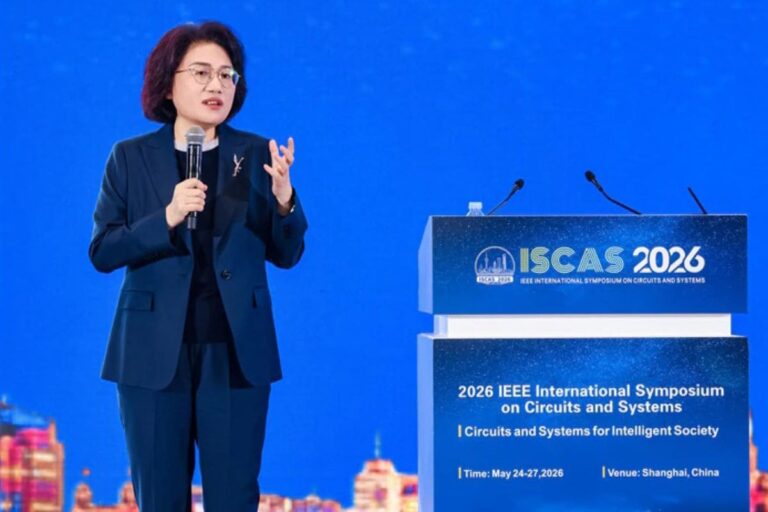
Huawei is challenging the traditional Moore's Law with a new 'Tau Scaling' framework, aiming to sustain computational growth as 2nm nodes hit physical limits.

Huawei unveils the Mate X, an 8-inch foldable 5G smartphone, challenging the market dominance of Samsung and Apple amidst escalating US-China tensions.
The U.S. government has issued a temporary license allowing Huawei to maintain existing networks and push software updates, avoiding a global infrastructure crash.
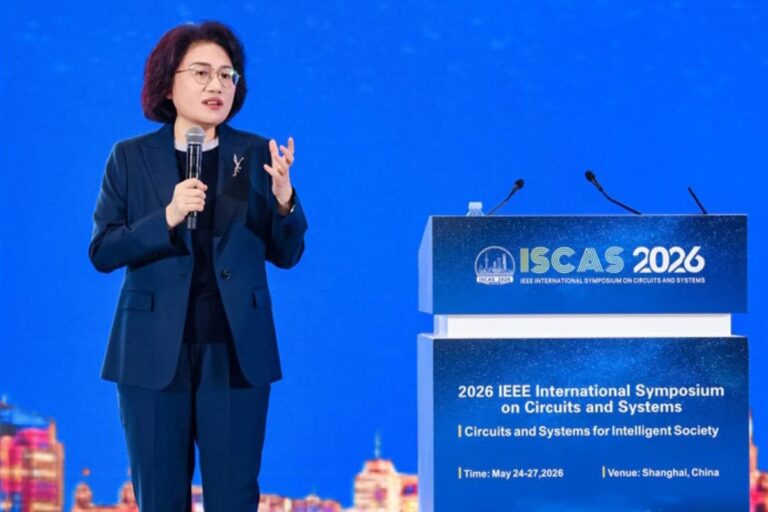
As traditional silicon scaling hits a physical wall, Huawei proposes the Tau Scaling Law to bypass the limitations of Moore's Law in chip design.

Huawei unveils the Mate X foldable 5G smartphone at MWC Barcelona, challenging Samsung and Apple with a bold new form factor amidst growing US security tensions.
The U.S. Commerce Department has issued a 90-day temporary license for Huawei, allowing critical software updates and network maintenance to avoid global connectivity failures.

Huawei unveils the Mate X foldable smartphone at MWC Barcelona, challenging Samsung and Apple with a tablet-sized screen and integrated 5G connectivity.