Huawei Bets Big on Foldables with Mate X as 5G Cold War Heats Up
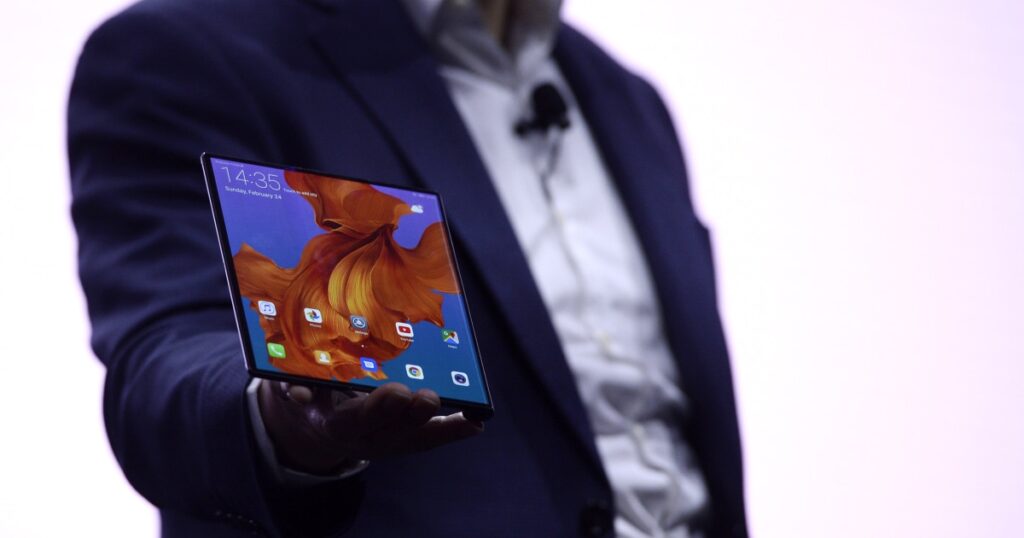
Table of Contents
A High-Stakes Pivot to Bendable Glass
On the eve of MWC Barcelona, Huawei has officially entered the foldable fray with the unveiling of the Mate X. The device isn’t just a technical showcase; it is a strategic salvo aimed at the dominance of Apple and Samsung in a smartphone market that has largely plateaued in terms of raw innovation.
The Mate X attempts to solve the industry’s current dilemma: the consumer desire for tablet-sized displays without the bulk of a dedicated secondary device. When unfolded, the phone reveals an 8-inch diagonal screen, effectively transforming the handset into a compact tablet. Unlike the Samsung Galaxy Fold, which utilizes a screen that folds inward, the Mate X features a wrap-around design that allows users to interact with the device even when it is closed.
This architectural choice reflects a distinct engineering philosophy. Richard Yu, CEO of Huawei’s consumer business group, noted that the company spent three years refining the hinge mechanism to ensure the device shuts flush, avoiding the gaps that plagued early foldable prototypes. However, this innovation comes with a steep premium. Priced at 2,299 euros (approximately $2,600), the Mate X is positioned as a luxury centerpiece, comfortably outpricing the Galaxy Fold.
Breaking the Innovation Malaise
For years, the smartphone industry has been stuck in a cycle of incremental updates—slightly faster chips, marginally better cameras, and thinner bezels. This “innovation malaise” has led to longer upgrade cycles as consumers find less incentive to replace functioning hardware.
Huawei is attempting to break this cycle by leveraging 5G connectivity. The Mate X is built for next-generation mobile networks, positioning Huawei not just as a device manufacturer, but as the primary architect of the infrastructure those devices rely on. By integrating 5G and foldable form factors, Huawei is betting that a paradigm shift in hardware utility will trigger a new wave of consumer upgrades.
Despite the technical ambition, market analysts remain cautious. Thomas Husson of Forrester suggests that while the tech is impressive, the path to critical mass is steep. For Huawei, the challenge is no longer just about specifications, but about brand identity. To truly disrupt the status quo, the company must evolve from a “technology challenger” into a primary brand destination in the eyes of the global consumer.
The Geopolitical Shadow
The launch of the Mate X occurs against a backdrop of intense geopolitical friction. While Huawei has successfully climbed to the third-largest smartphone seller globally—occasionally swapping places with Apple for the second spot according to IDC data—its expansion into the U.S. market remains stalled.
The U.S. government has consistently labeled Huawei a cybersecurity risk, alleging that the company’s equipment could be used for state-sponsored espionage. This cloud of suspicion extends beyond hardware to legal battles, including criminal charges against the company and CFO Meng Wanzhou regarding fraud and the theft of trade secrets from T-Mobile.
This “cyber-villain” branding, as Gartner analyst Tuong Nguyen describes it, creates a significant barrier to entry in North America. While Huawei has aggressively expanded in Europe—capturing roughly 13% of the market in countries like Germany, France, and Spain—the U.S. remains a fortress of resistance.
As Samsung and Apple grapple with declining global sales, Huawei’s agility in emerging markets and its willingness to experiment with radical form factors like the Mate X may provide the leverage it needs to redefine the upper echelon of the mobile industry, provided it can navigate the diplomatic minefield of the 5G rollout.


