Surgical U.S. Strikes in Hormuz Threaten to Derail Fragile Iran Ceasefire
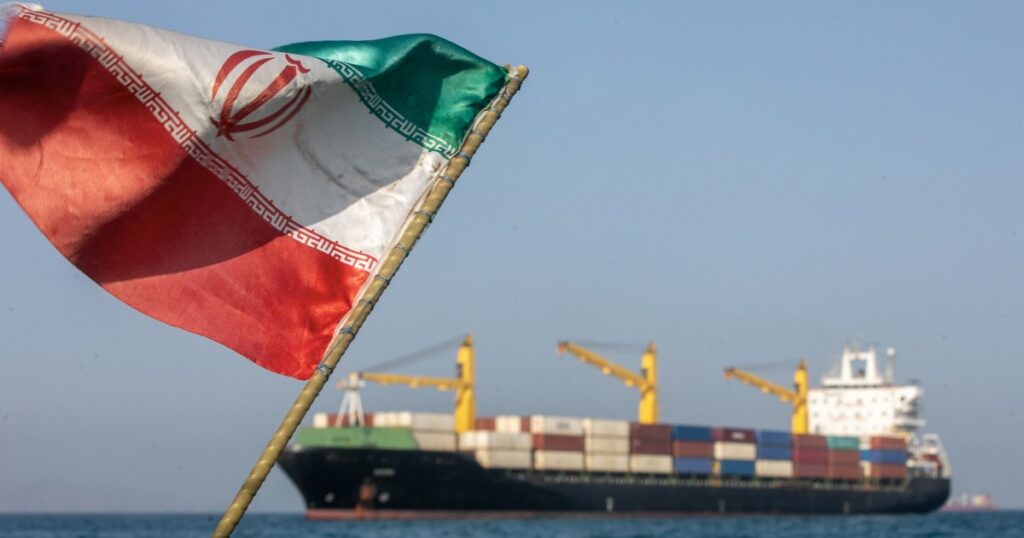
Table of Contents
Precision Strikes Amidst a Diplomatic Tightrope
The fragile ceasefire between the United States and Iran has been pushed to a breaking point following a series of U.S. military strikes against Iranian targets in the Strait of Hormuz. While Washington characterizes the operations as limited, defensive measures, Tehran has condemned the actions as a blatant violation of the seven-week pause in hostilities that has held since April 8.
According to U.S. officials, the strikes were a direct response to 24 hours of escalating provocation by Iran’s Islamic Revolutionary Guard Corps (IRGC). The U.S. reports that the IRGC deployed surface-to-air missiles, drones, and small boats—some capable of laying naval mines—threatening American assets in the region. While the Pentagon confirms that no U.S. aircraft were hit, the retaliatory strikes were described by officials as “very limited” and “very precise,” designed to neutralize immediate threats without triggering a full-scale return to war.
The timing of these strikes is particularly volatile. Secretary of State Marco Rubio recently indicated in India that negotiators were nearing a deal, suggesting that only minor disagreements over specific wording remained. However, the Iranian Foreign Affairs Ministry has countered this optimism, stating that the U.S. has demonstrated “bad faith and unreliability” by engaging in military aggression while diplomats are still at the table.
The Battle for the Strait of Hormuz
At the heart of the conflict is the strategic control of the Strait of Hormuz, a vital artery for global energy and food supplies. Since the conflict intensified on February 28, Iran has effectively throttled this trade route, while the U.S. military has maintained a strict blockade on Iranian ports. The resulting maritime deadlock has created significant ripples in global supply chains, making the reopening of the Strait a primary objective of the current negotiations.
Reports from the semiofficial Fars news agency suggest that the IRGC is not merely protesting with rhetoric. Tehran claims to have successfully shot down an MQ-9 Reaper drone and forced an F-35 fighter jet to divert its course. This escalation in electronic and aerial warfare highlights the increasing technical stakes of the standoff, where high-altitude surveillance and stealth capabilities are being tested in real-time against sophisticated regional air defense systems.
The Qatar Negotiations and the Nuclear Sticking Point
While military tensions flare, a diplomatic effort continues in Qatar. The presence of Parliament Speaker Mohammad Bagher Ghalibaf in Doha suggests that Iran is still pursuing a path toward a memorandum of understanding. Central to these talks is the unfreezing of billions of dollars in Iranian assets currently held by the Gulf emirate.
However, a new set of demands from the Trump administration has introduced significant friction. The U.S. is now explicitly linking a peace deal with Iran to the broader Abraham Accords, attempting to pull countries like Saudi Arabia and Pakistan into a regional package deal. This “grand bargain” approach has already met resistance; one senior Arab official told NBC News that stopping the war and reopening Hormuz must take precedence over broader geopolitical alignments with Israel.
Furthermore, the issue of enriched uranium remains a non-negotiable flashpoint. The U.S. is demanding that Iran’s stockpile of enriched material be removed from the country and destroyed, either on U.S. soil or at a verified third-party location under the supervision of the Atomic Energy Commission. Tehran continues to assert its right to a peaceful nuclear program, rejecting the demand as an infringement on its national sovereignty.
With the U.S. Central Command maintaining a posture of “restrained defense” and Iran vowing to respond decisively to any further incursions, the window for a 60-day peace framework is closing. The stability of global energy markets now rests on whether the diplomatic progress in Qatar can outpace the tactical escalations in the Hormuz region.