SpaceX Scrubs Starship V3 Debut After Last-Second Hardware Failure
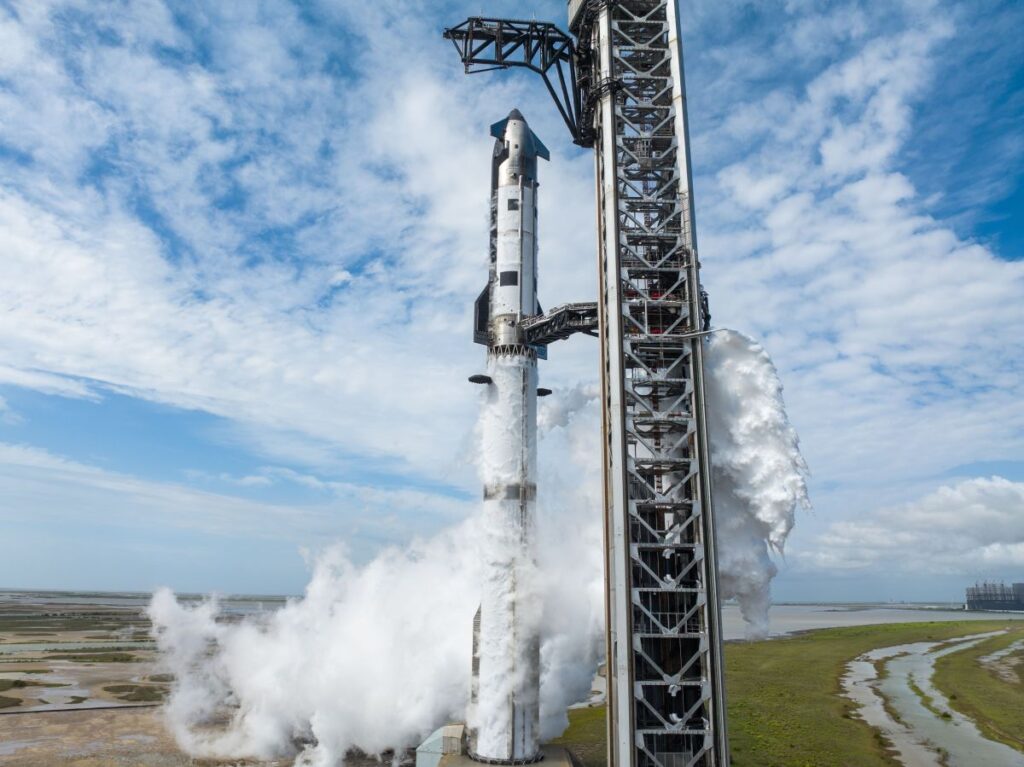
Table of Contents
A Tense Countdown Ends in a Scrub
SpaceX came within seconds of launching the third generation of its Starship rocket system before a mechanical failure forced a last-minute scrub. The countdown at Starbase, Texas, had progressed past the critical T-minus 40-second mark, with the massive vehicle fully fueled and ready for ascent, when the launch team intervened.
The culprit was a stubborn piece of ground hardware. According to CEO Elon Musk via X, a hydraulic pin responsible for holding the launch tower arm in place failed to retract. In the high-stakes environment of a rocket launch, a failure of the tower arm to clear the vehicle can lead to catastrophic structural damage during liftoff. SpaceX spent the final minutes of the launch window attempting to recycle the countdown, but the hardware remained unresponsive.
The company is now eyeing a Friday window at 5:30 p.m. local time, provided the hydraulic system can be serviced and validated tonight.
The Stakes of the V3 Architecture
This wasn’t just another test flight. The V3 iteration represents a fundamental evolution of the Starship platform. While the previous versions focused on basic flight stability and atmospheric reentry, V3 introduces a streamlined design intended to move the vehicle closer to a fully operational, commercially viable product.
At the heart of the V3 upgrade are the third-generation Raptor engines. These powerplants are designed to provide significantly more thrust while utilizing a more efficient, streamlined cooling and plumbing architecture. To complement the engine gains, SpaceX modified the booster’s exterior, removing one grid fin to simplify the aerodynamics and make the vehicle easier for the “chopstick” arms of the launch tower to catch during a return-to-launch-site maneuver.
Perhaps more critical is the internal plumbing. Engineers have implemented new measures to prevent propellant leaks from accumulating in specific sections of the Starship upper stage—a persistent issue that plagued several flights in the V2 series. If these fixes hold, the path toward total reusability, mirroring the reliability of the Falcon 9, becomes far more attainable.
Financial Pressure and the IPO Clock
The timing of this scrub is particularly sensitive. SpaceX is currently navigating a pivotal financial transition, having recently filed for an IPO. With the company expected to go public within weeks, the pressure to demonstrate tangible progress on the Starship program has intensified. Investors are no longer looking for “rapid unscheduled disassemblies” as a sign of progress; they are looking for a reliable delivery system.
The commercial imperative is tied directly to Starlink. According to the company’s public IPO filings, Starlink generated $11 billion in revenue last year, cementing it as the primary engine of SpaceX’s growth. While the company has successfully deployed dummy satellites using Starship in the past, the V3 system is the intended vehicle for the next generation of operational Starlink payloads, which require the massive volume and lift capacity that only Starship can provide.
What to Expect from Flight 12
Despite the technical upgrades, this particular mission—Starship’s 12th flight—is a conservative test of the V3 hardware. SpaceX is not attempting a daring booster recovery or a precision landing of the upper stage. Instead, both the booster and the ship are slated for “soft landings” in the Atlantic and Indian Oceans, respectively.
Furthermore, the vehicle will not enter a true Earth orbit. This means that while the flight will validate the new Raptor engines and the structural integrity of the V3 frame, the company is still several missions away from proving that the upper stage can handle the thermal and orbital stresses required for commercial payload delivery. For now, the primary goal remains simple: get the hardware off the pad and through the atmosphere.


