Drone Warfare and Diplomacy: Iran’s ‘Deep Suspicion’ Clouds Tentative US Ceasefire
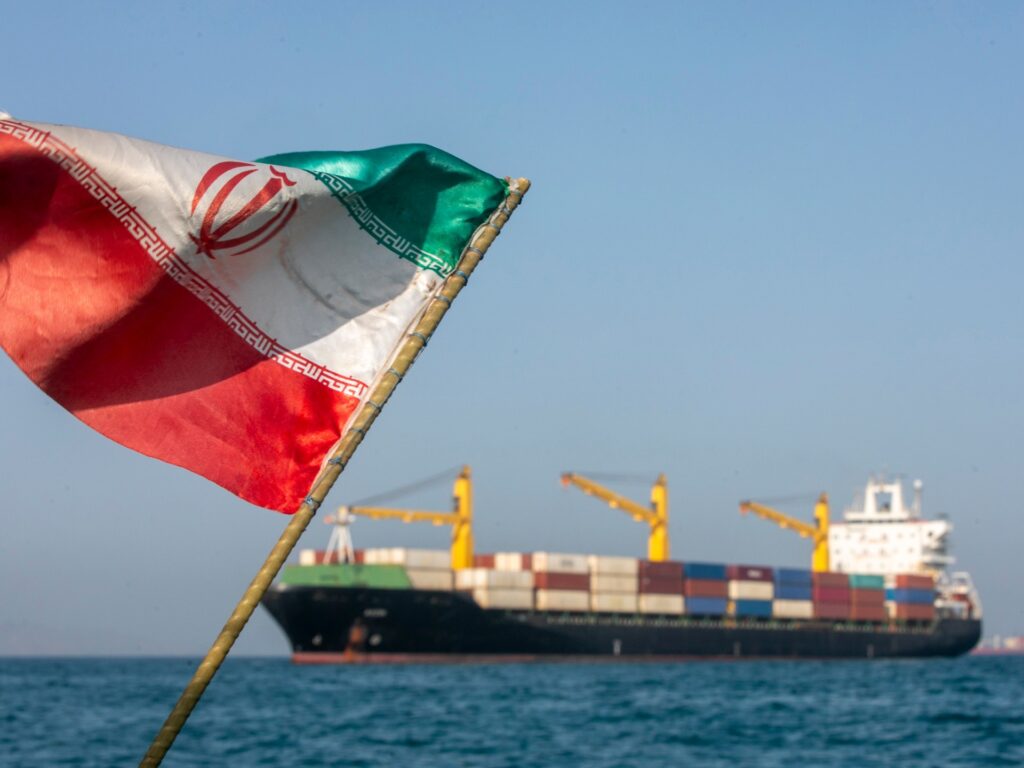
Table of Contents
The Hardware of Distrust
The friction between Tehran and Washington has shifted from diplomatic cables to the kinetic reality of electronic warfare and unmanned aerial systems (UAS). Following a tenuous ceasefire established on April 8, the stability of the region has been upended by a series of strikes in Iran’s southern Hormozgan province, leading to a direct confrontation in the skies.
The Islamic Revolutionary Guard Corps (IRGC) confirmed the neutralization of a US-made MQ-9 Reaper drone, a high-altitude, long-endurance platform central to American intelligence, surveillance, and reconnaissance (ISR) operations. More significant than the loss of the airframe is the weapon used to bring it down: the Arash-e Kamangir. Named after a figure from Persian mythology, this domestically produced air defense system represents Iran’s strategic pivot toward indigenous military tech to counter Western aerial dominance.
While the US military categorized its recent operations as “defensive” strikes targeting missile launch sites and sea-mine laying vessels, the IRGC views these actions as blatant violations of the ceasefire. The use of the Arash-e Kamangir is a calculated signal; it demonstrates that Iran’s domestic defense industry can effectively challenge some of the most sophisticated UAS platforms in the US inventory.
Strategic Leverage in the Strait of Hormuz
The conflict is not merely a battle of attrition but a struggle for control over the Strait of Hormuz, one of the world’s most critical maritime chokepoints. Since the US and Israel launched a coordinated wave of strikes on February 28, transit through the Strait has been largely frozen, creating a global economic ripple effect.
Current negotiations center on a Memorandum of Understanding (MoU) intended to restore transit and grant Iran access to frozen overseas funds. However, the technical and tactical leverage remains a sticking point. Hardline factions within the IRGC, including aerospace commander Majid Mousavi, view maritime pressure and drone capabilities not just as defensive tools, but as primary bargaining assets.
The intersection of technology and geopolitics is further complicated by the reported explosion of a tanker approximately 60 nautical miles east of Muscat, Oman. While official Iranian commentary has been absent, the incident underscores the precarious nature of maritime security in a zone where asymmetric warfare—ranging from sea mines to drone strikes—is the norm.
The Dilemma of the ‘Operational Pause’
For the Iranian leadership, the primary concern is whether a diplomatic agreement serves as a genuine peace settlement or merely a tactical “operational pause.” There is a pervasive fear within Tehran that a deal could provide the US and Israel with intelligence access or political cover to prepare for a more devastating secondary wave of attacks.
Nicole Grajewski of Sciences Po’s Center for International Research notes that for any deal to be politically viable in Tehran, it cannot look like a capitulation. This requires Iran to maintain its nuclear enrichment capabilities and preserve its deterrence structures—specifically its drone and missile programs—while securing tangible sanctions relief.
Alex Vatanka of the Middle East Institute suggests that the emerging MoU is functioning more as a ceasefire-management mechanism than a peace treaty. By deferring the most difficult nuclear and technical questions to later rounds, both sides are effectively buying time. In the interim, the deployment of systems like the Arash-e Kamangir ensures that Iran retains a physical deterrent, even as diplomats attempt to bridge the gap of “deep suspicion.”
As Mohammad Bagher Zolghadr, secretary of the Supreme National Security Council, recently stated, “there will be no retreat.” This sentiment, coupled with the continued deployment of advanced air defense tech, suggests that while the talking continues in Qatar, the hardware of war remains on high alert.


