Status AI Secures $17M to Shift Social Media From Passive Feeds to Generative Roleplay
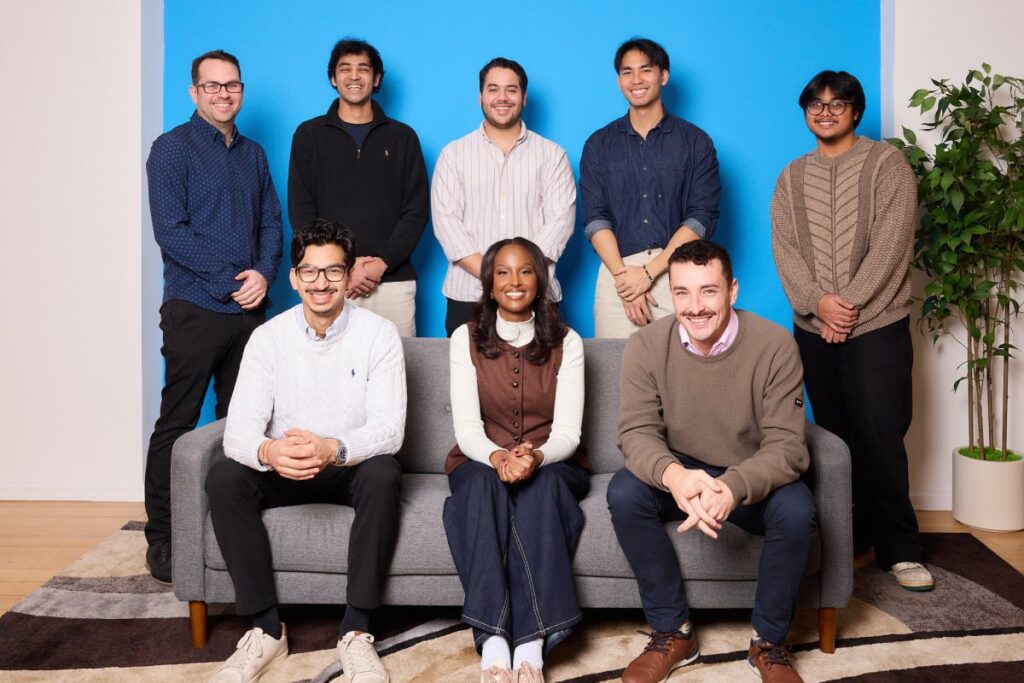
Table of Contents
Moving Beyond the Infinite Scroll
The traditional architecture of social media—a vertical feed of curated snapshots and short-form videos—has dominated the digital landscape for over a decade. But for a new crop of developers and Gen Z users, the passive experience of watching other people’s lives is losing its luster. Status AI, a startup aiming to pivot social interaction toward immersive, gamified storytelling, has emerged from stealth with $17 million in combined seed and Series A funding to prove that the future of networking is actually roleplay.
The funding round saw participation from a heavy-hitting roster of venture firms, including General Catalyst, Union Square Ventures, Abstract, Y Combinator, and LightShed Partners. The investment arrives as the industry grapples with “chatbot fatigue,” where the novelty of simple text-based AI companions is beginning to plateau, leaving a gap for platforms that integrate these AI capabilities into broader, world-building social environments.
The Architecture of a ‘Living’ World
Founded by Fai Nur, along with Amit Bhatnagar and Pritesh Kadiwala, Status AI isn’t trying to be another Instagram or TikTok. Instead, it functions as a sandbox where users craft personas and are dropped into social worlds that evolve based on player interaction. Unlike traditional gaming, where environments are static and scripted, Status leverages generative AI to ensure that settings, storylines, and character arcs are dynamic.
In practice, this allows users to simulate high-stakes scenarios—running for political office, becoming a viral celebrity, or stepping into the narrative of a favorite book—while interacting with other humans and AI agents. The platform distinguishes itself from predecessors like Character.AI or Chai by focusing on the social layer; it is less about a private conversation with a bot and more about the collective experience of a shared, simulated universe.
The scale of early adoption is already evident. According to Nur, the platform has seen over 13 million worlds created and more than 5 million character profiles established. Notably, Nur points to a strong concentration of young women among the early user base, a demographic that historically serves as a bellwether for which social platforms eventually penetrate the broader cultural mainstream.
IP and the Battle for Attention
The implications of Status AI extend beyond casual gaming. There is a significant strategic play here for the entertainment industry. Media conglomerates are currently searching for ways to keep audiences engaged with their intellectual property (IP) between movie releases or season finales. By creating “brand-safe” interactive environments, Status offers a bridge for studios and streamers to cultivate fandoms in a way that is active rather than passive.
Rich Greenfield, a partner at LightShed, notes that media companies are increasingly desperate for ways to let consumers “live inside” the characters and worlds they create. If a studio can move a fan from watching a show to inhabiting its world via a social AI platform, the lifetime value of that IP increases exponentially.
This shift aligns with a broader trend toward “niche-social” and fandom-centric communities. As general-purpose platforms become cluttered with ads and algorithmic noise, users are migrating toward smaller, high-intent environments where creativity and intimacy take precedence over reach.
Scaling the Simulation
The fresh capital will be used to scale the platform’s infrastructure and refine the generative engines that power these worlds. The technical challenge remains maintaining a balance between user agency and narrative coherence—ensuring that while the worlds are dynamic, they don’t devolve into chaotic or incoherent AI hallucinations.
As the boundary between gaming and social networking continues to blur, Status AI is betting that the next generation won’t want to scroll through a feed of someone else’s highlights, but will instead prefer to be the protagonist of their own digital story.