SpaceX Debuts Starship V3 With Mixed Results Just Ahead of Nasdaq IPO
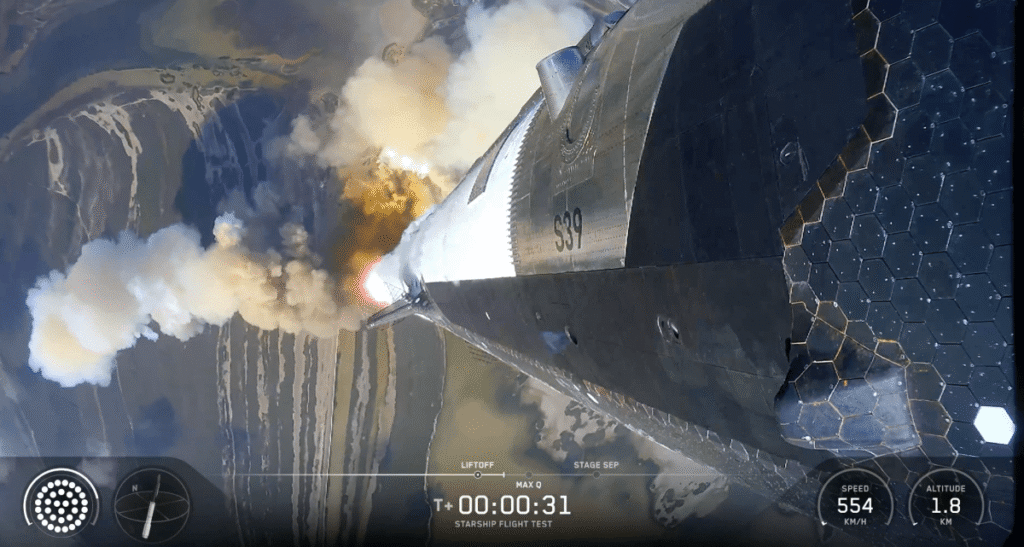
Table of Contents
A High-Stakes Shakedown at Starbase
SpaceX has officially flight-tested the third iteration of its Starship launch system, marking the first time the V3 hardware has left the pad. While the mission achieved several critical objectives, the flight ended with the loss of the Super Heavy booster, highlighting the persistent volatility of the company’s rapid-prototyping approach.
The 407-foot vehicle lifted off from the company’s Starbase facility in Texas at 5:30 p.m. local time. The ascent began with a notable technical hiccup: one of the six Raptor engines on the Starship upper stage failed during the climb. Despite the loss of thrust, the vehicle maintained its trajectory and successfully separated from the booster, continuing its journey into space.
The primary objective of the upper stage was the deployment of 20 Starlink satellite simulators and two modified satellites designed to capture high-resolution telemetry and external footage of the craft. SpaceX confirmed that all payloads were successfully deployed. The mission concluded roughly an hour after liftoff with a simulated landing in the Indian Ocean, where the ship tipped over and exploded—an expected outcome for this specific test phase.
The Booster Recovery Failure
The most significant setback occurred during the return of the Super Heavy booster. After pitching away from the ship, the booster began its descent toward a simulated landing zone in the Gulf of Mexico. However, the engines failed to re-ignite for the sustained landing burn required to stabilize the craft.
Without the necessary thrust to decelerate and orient itself, the booster entered a tumble and plummeted into the water. While SpaceX has not released a formal post-mortem, the failure suggests a glitch in the ignition sequence or a plumbing issue within the Raptor engine’s fuel delivery system. This follows a trend of “hard lessons” in the Starship program, including a November explosion of an upgraded booster during ground testing that had delayed this flight’s timeline.
The Financial Gravity of the V3 Test
The timing of this launch is not coincidental. The flight occurs as SpaceX enters a transformative financial era; the company’s IPO filing was made public this week, with an expected Nasdaq listing in mid-June. Analysts suggest the offering could raise approximately $75 billion.
This capital influx is intended to do more than just build rockets. Internal projections indicate the funds will be used to aggressively scale SpaceX’s AI capabilities and service debts linked to Elon Musk’s other ventures, specifically xAI and the social media platform X. For investors, the Starship V3 flight serves as a live demonstration of the company’s technical maturity—or lack thereof.
The success of the V3 architecture is paramount because Starship is the linchpin of SpaceX’s business model. While the company’s NASA contracts for lunar missions provide prestige, the high-margin profitability of the Starlink constellation relies on Starship’s ability to deploy larger, more capable satellites at a fraction of the current cost per kilogram.
Hardware Evolution: What Changed in V3?
The V3 iteration introduces third-generation Raptor engines, which SpaceX claims feature increased thrust and a streamlined design intended to reduce manufacturing complexity. The booster itself has been modified for faster ascent profiles and a more reliable “catch” mechanism at the launch tower, which remains the holy grail of SpaceX’s recovery strategy.
The launch also served as the first operational test of a new launchpad at Starbase, a project years in the making. Though the booster was lost, the pad’s structural integrity remained intact, providing the team with the necessary data to iterate for the next flight.
This mission marks the first Starship flight since October 2025, following a series of delays including a last-minute scrub on Thursday due to a hydraulic pin failure on the launch tower arm.


