NYC Mayor Zohran Mamdani Launches ‘Fireside Chats’ for the Twitch Generation
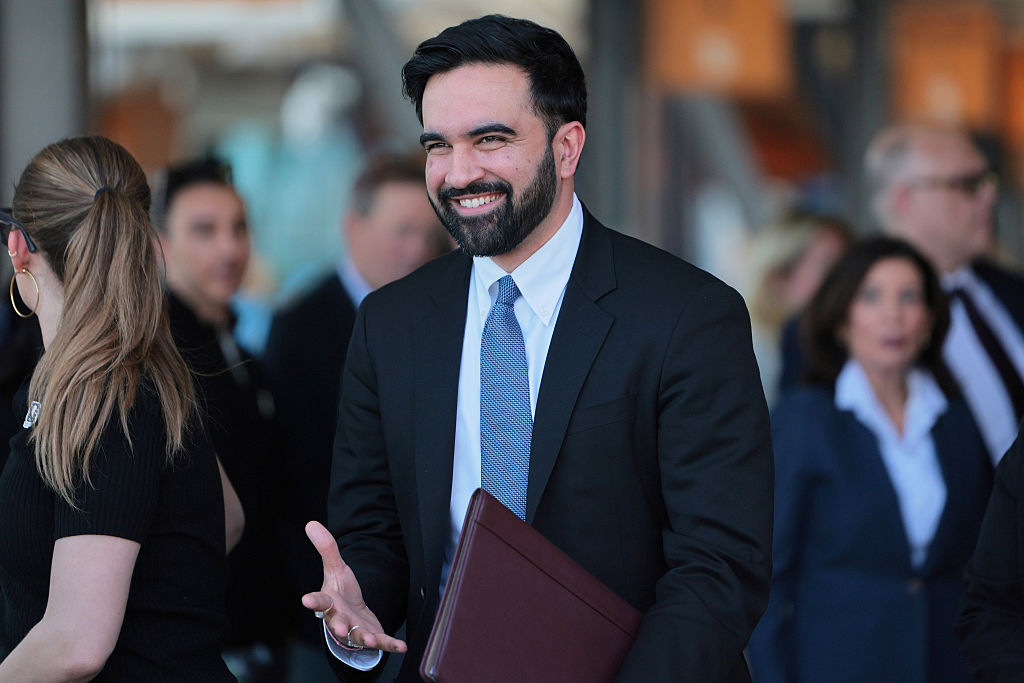
Table of Contents
A New Medium for City Hall
Long before Zohran Mamdani assumed the role of New York City’s 112th mayor, he operated with the intuition of a digital native. While most politicians treat social media as a megaphone for pre-approved press releases, Mamdani has spent his career treating it as a two-way street. On Thursday, that strategy evolved into a formal administrative tool with the launch of “Talk with the People,” a recurring livestream series debuting on Twitch.
The premiere, which aired on May 21 at 4:10 p.m. ET, saw over 10,000 concurrent viewers tuning in to watch the mayor answer questions in real-time via Twitch chat. The broadcast wasn’t limited to a single platform; in a nod to the fragmented nature of modern media consumption, the stream was simulcast across YouTube, TikTok, Instagram, Facebook, X, and Bluesky. This multi-channel approach suggests a deliberate attempt to capture audiences across the entire ideological and demographic spectrum of the internet.
The ‘Chat’ Dynamic and Cultural Literacy
The atmosphere of the stream was a stark departure from the sterile environment of a City Hall press briefing. In an effort to bridge the cultural gap, Mamdani was joined by the influencer Moose, who served as an informal guide to the platform’s specific vernacular. In one of the more humanizing moments of the broadcast, Moose coached the mayor on how to address his audience as “chat”—a linguistic quirk of the Twitch ecosystem that signifies a communal, real-time relationship rather than a formal address.
The content of the stream mirrored this blend of the casual and the consequential. Mamdani pivoted seamlessly from debating the merits of NYC’s best tacos—specifically citing Los Tacos No. 1 and Taqueria Ramirez—and discussing the Knicks’ prospects, to articulating a policy platform centered on raising taxes for the wealthy and optimizing public transit. He specifically highlighted a push for faster bus routes, noting a goal to reduce commute times by an average of six minutes.
From Radio to Fiber Optics
The intentionality behind the move was revealed days prior when Mamdani teased the launch on Instagram. He paired the date and time with an image of Franklin D. Roosevelt’s historic fireside chats. The parallel is clear: just as FDR leveraged the then-emerging technology of radio to bypass traditional media gatekeepers and speak directly into American living rooms, Mamdani is leveraging the low-latency, interactive nature of livestreaming to do the same for a city of 8 million people.
“By launching the country’s first recurring cross-platform stream hosted by an elected official, where I’ll answer New Yorkers’ questions live on Twitch, we’re opening up a direct line of conversation between our government and the people,” Mamdani said in a statement. He specifically noted that this initiative targets younger generations who have historically felt ignored by the municipal political process.
The Evolution of Digital Governance
Mamdani’s transition to Twitch is the culmination of a trajectory that began during his tenure in the New York State Assembly representing Astoria. He earned a reputation as a “chronically online” official, producing viral, plain-language videos that dismantled complex housing and transit policies into digestible clips. This digital-first approach helped him amass a combined following of over 15 million across TikTok, Instagram, and X, providing him with a level of organic reach that traditional political consultants often struggle to manufacture.
This shift also reflects a broader trend in how political information is consumed. The rise of streamers like Hasan Piker has transformed Twitch from a gaming hub into a center for political discourse and real-time news synthesis. Mamdani is following a trail blazed by figures like Alexandria Ocasio-Cortez, who famously used Among Us streams in 2020 to mobilize young voters. However, where Ocasio-Cortez used the platform for a specific campaign event, Mamdani is attempting to institutionalize the medium as a regular part of city governance.