The Starship Paradox: SpaceX’s Financials Reveal a Risky Bet on Reusability
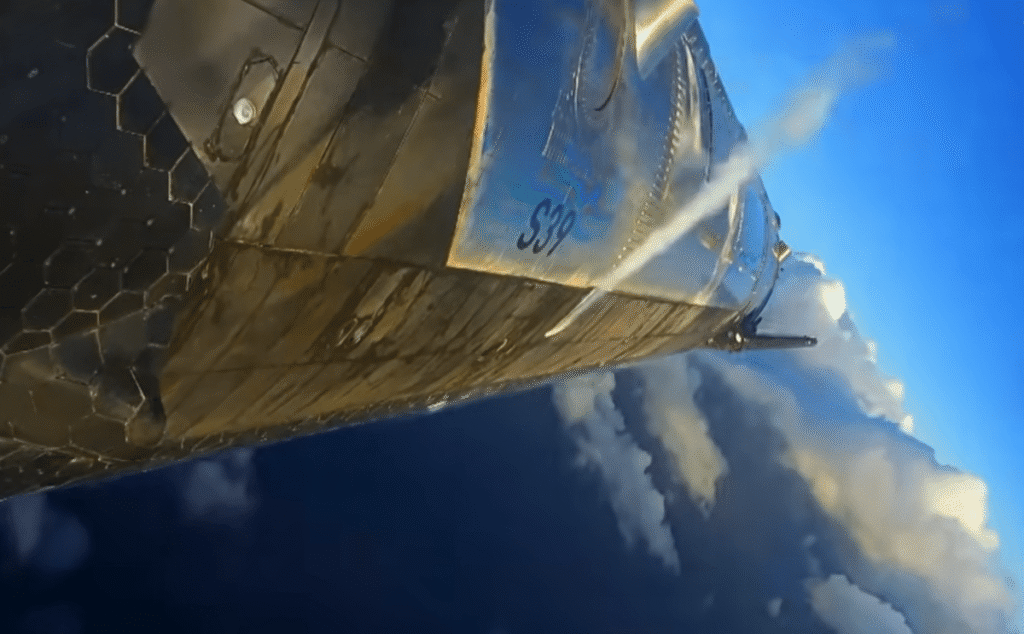
Table of Contents
The High Cost of Low Earth Orbit
For years, the narrative surrounding SpaceX has been one of inevitable triumph through vertical integration. The logic is simple: build a massive, fully reusable rocket (Starship), use it to deploy a massive satellite constellation (Starlink), and use the resulting cash flow to fund a colony on Mars. However, a closer look at SpaceX’s recent S-1 filing and the technical hurdles of the latest Starship test flights suggests a more precarious balance.
The central tension lies in the capital expenditure treadmill. Starlink is currently the company’s primary revenue engine, generating $11.4 billion last year. But maintaining a constellation in Low Earth Orbit (LEO) is not a one-time cost. SpaceX must replace roughly 20% of its satellite fleet annually to combat atmospheric drag and hardware failure. Since early 2023, the company has poured $11.4 billion into its satellite business—surpassing the $8.4 billion spent on Starship and its launch infrastructure.
This creates a dangerous dependency. Elon Musk has previously suggested that without the drastic cost reductions provided by Starship’s full reusability, the company’s financial stability could be at risk. Yet, for the first time, SpaceX’s SEC filings admit that full reusability isn’t a strict prerequisite for launching the next generation of Starlink satellites. This admission creates a strategic paradox: SpaceX can keep Starlink growing by treating Starship as an expendable vehicle, but doing so destroys the very cost-efficiency that makes the business model sustainable in the long run.
Technical Stalls and Economic Realities
The recent test flight of the third iteration of Starship and its Super Heavy booster highlighted the gap between ambition and engineering reality. The mission struggled with a critical component of the reusability loop: the ability to relight Raptor engines for a controlled descent. While the vehicle successfully deployed dummy satellites, the failure to master the return leg means the “rapid turnaround” promise remains theoretical.
Industry analysts are already crunching the numbers on what an expendable Starship looks like. Tim Farrar, a satellite market analyst, suggests that without full reusability, the cost per launch could hover around $100 million. While the 100-ton payload capacity is an upgrade over the Falcon 9, the cost per kilogram would not drop significantly enough to unlock the “frontier” business models Musk envisions, such as orbital data centers or large-scale lunar infrastructure.
The Starlink Growth Ceiling
Compounding the technical risk is a visible slowdown in Starlink’s user acquisition. While the network boasts over 10 million subscribers, growth rates dipped during the first quarter of 2026. Projections from Quilty Space suggest a year-end target of 16.8 million users, but achieving this would require growth to nearly double from its current pace—a difficult task following several strategic price hikes.
Moreover, the quality of that growth is shifting. The average revenue per user (ARPU) has fallen from $99 in 2023 to $66 in early 2026. This decline is a direct result of SpaceX expanding into emerging markets where purchasing power is lower. As the cost of acquiring new users rises and the revenue they generate drops, the pressure on the launch side increases. Each new satellite becomes less profitable if it costs more to put it in orbit.
A Crowded Orbit
SpaceX is no longer the only player with a viable path to LEO. Amazon’s Project Kuiper is steadily approaching the scale necessary to challenge Starlink’s dominance, provided it meets the FCC’s deadline to launch 1,600 satellites by July. If the market for space-based broadband is smaller than previously anticipated—as suggested by the slowing demand in SpaceX’s own filings—the race for scale may become a race to the bottom in terms of pricing.
Ultimately, SpaceX is betting that the engineering breakthrough of a fully reusable Starship will arrive before the Starlink cash cow reaches its limit. If the Raptor engines continue to struggle and the S-1’s growth warnings materialize, the path to Mars may be sidelined by the immediate necessity of keeping the lights on in orbit.


