Sony Brings the XR Processor to the Mid-Range: Bravia 3II Series Debuts in India
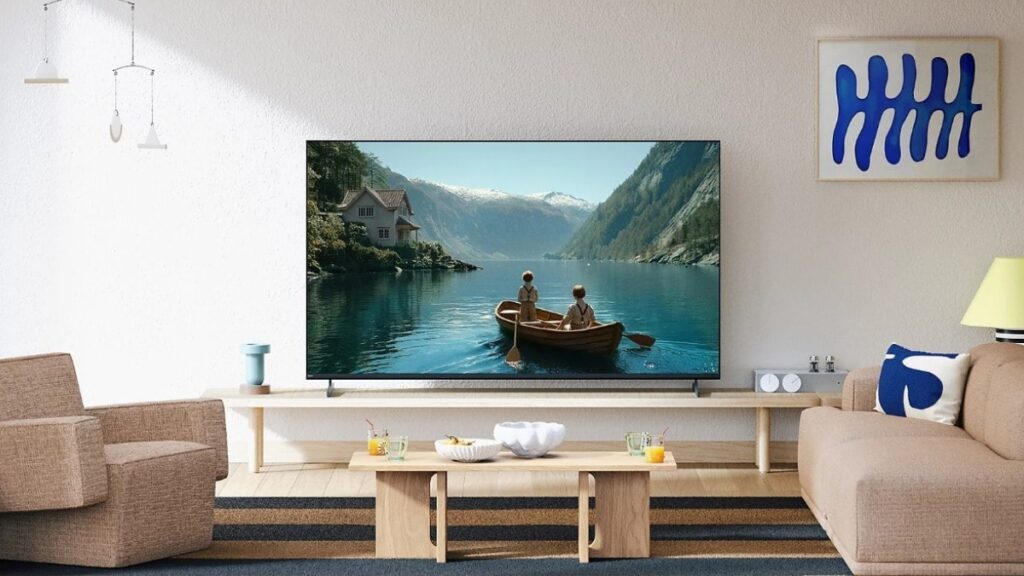
Table of Contents
A Strategic Shift in Sony’s Display Tiering
Sony has officially expanded its television portfolio in India with the launch of the Bravia 3II series. While Sony has traditionally guarded its most advanced processing tech for its flagship Master Series and high-end OLEDs, the Bravia 3II marks a calculated effort to bring the Cognitive Processor XR to a more accessible price segment. This move signals a shift in how Sony is tackling the aggressive mid-range market, where competitors like Samsung and LG have long dominated with high-refresh-rate LED panels.
The centerpiece of the 3II lineup is the integration of the XR Processor, which is designed to mimic how humans perceive images by analyzing the focal point of a scene. In previous iterations, this level of processing was reserved for the top-tier Bravia XR models. By trickling this technology down to the 3II, Sony is attempting to solve the common mid-range struggle of maintaining contrast and color accuracy without the cost of a QD-OLED or Mini-LED array.
Gaming and Motion Handling
For the gaming community, the Bravia 3II is a significant step up from the entry-level LED options. The series supports 4K resolution at a 120Hz refresh rate, a critical requirement for anyone pairing a TV with a PlayStation 5 or Xbox Series X. To further reduce the gap between a dedicated monitor and a living room screen, Sony has implemented Variable Refresh Rate (VRR) and Auto Low Latency Mode (ALLM).
These features are not merely checkboxes; they are essential for eliminating screen tearing and minimizing the input lag that often plagues larger displays. When combined with Dolby Vision and Dolby Atmos, the 3II positions itself as a viable alternative for users who want a cinematic experience without spending the premium required for a high-end OLED.
Pricing and Availability in India
The pricing strategy for the Bravia 3II reflects Sony’s positioning as a premium brand, even within the mid-range. The 55-inch model enters the market at ₹99,990, placing it firmly above budget brands but below the enthusiast-grade flagship tiers. As the screen size increases, the price climbs significantly to account for the panel logistics and scaling.
| Screen Size | Price (INR) |
|---|---|
| 55-inch | ₹99,990 |
| 65-inch | ₹1,24,990 |
| 75-inch | ₹1,79,990 |
| 85-inch | ₹3,05,990 |
The massive 85-inch variant, priced at ₹3,05,990, targets the home cinema enthusiast who prioritizes sheer scale and Sony’s color science over the absolute blacks of an OLED. However, the real talking point for the long term is Sony’s confirmation that a 100-inch model is slated to arrive later this year. This puts Sony in direct competition with the growing trend of “behemoth” displays that are becoming more common in luxury home installations.
The Software Ecosystem
Running on Google TV, the Bravia 3II leverages a highly integrated smart home ecosystem. Unlike proprietary OS options found in some competitors, Google TV offers the most robust app library in the Indian market, with deep integration for streaming services and voice control. The interface is designed to prioritize content recommendations over app grids, though the real value lies in the seamless casting and smart home controls integrated into the Sony hardware.
While the hardware specs are impressive, the true test for the Bravia 3II will be how the XR Processor handles upscaling of lower-resolution content—a common pain point for users who still rely on 1080p cable boxes or older gaming consoles. If Sony can deliver the same motion clarity here as they do in their ₹5-lakh displays, the 3II could become their most popular volume driver in the region.


