Samsung Galaxy S26 Ultra: Pushing the Boundaries of Mobile Concert Photography
An in-depth look at how the Samsung Galaxy S26 Ultra's 200MP sensor, F1.4 aperture, and Galaxy AI are redefining low-light event photography and videography.
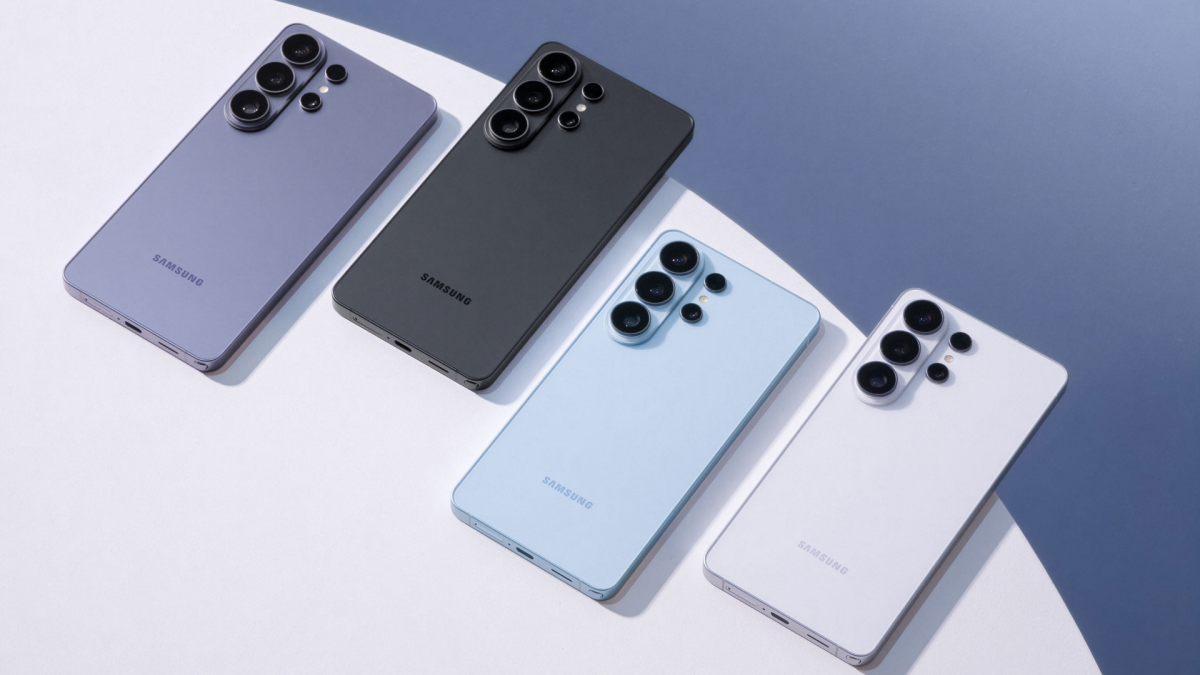
The Struggle of the Digital Mosh Pit
Anyone who has attempted to film a headliner from the middle of a crowded festival field knows the frustration. Between the aggressive strobe lights, the jostling of a thousand bodies, and the sheer distance from the stage, most smartphone footage ends up as a shaky, blown-out mess. It is a technical challenge that requires a precise balance of light intake, stabilization, and raw processing power.
The Samsung Galaxy S26 Ultra enters this fray not just as a flagship device, but as a targeted tool for high-energy environments. By pairing a massive 200-megapixel main sensor with a wider F1.4 aperture, Samsung is attempting to solve the perennial problem of low-light noise and exposure blowouts that plague concert footage.
Optical Power and the ‘Barrier’ Problem
For the majority of festival-goers, the ‘barrier’—the front row—is an unattainable luxury. This is where the S26 Ultra’s telephoto system becomes a critical asset. The 50-megapixel telephoto lens provides 5x true optical zoom and 10x optical-quality zoom, effectively bridging the gap between the sound desk and the stage. While 100x Space Zoom remains a party trick for most, the mid-range optical zoom allows for sharp, usable portraits of performers without the digital artifacts typically seen in aggressive crops.
The real hardware victory, however, is the F1.4 aperture on the primary lens. In the world of optics, a wider aperture allows more light to hit the sensor, reducing the reliance on software-heavy ‘Night modes’ that can sometimes smudge fine details. When combined with Samsung’s updated Nightography algorithms, the device can maintain vivid color accuracy even during the chaotic lighting shifts of a pyrotechnic display.
Stability in the Chaos
Capturing a steady clip while being pushed in a crowd requires more than just basic Optical Image Stabilization (OIS). The S26 Ultra utilizes a combination of its internal gyroscope and accelerometer through its Super Steady and Horizontal Lock features. Unlike standard stabilization, which can feel ‘floaty,’ Horizontal Lock maintains a consistent horizon line, ensuring that even if the photographer is tilting to avoid an obstacle, the footage remains level.
This is particularly useful for long-form clips of sets, where a skewed horizon can make the viewing experience nauseating. The transition to these modes is handled within the Camera app’s video shortcuts, allowing users to toggle stability settings on the fly as the crowd density changes.
The Shift Toward Generative Editing
Perhaps the most significant evolution in the S26 series isn’t the glass, but the silicon. Galaxy AI is now deeply integrated into the post-capture workflow. Photo Assist represents a move away from traditional sliders and toward prompt-based editing. The ability to circle a distracting object—like a stranger’s arm or a stray light pole—and erase it via generative fill is no longer a desktop-only luxury. These tools allow users to clean up a shot’s composition after the fact, effectively ‘reframing’ a photo that was hampered by poor positioning in the crowd.
Further extending this ecosystem is the Creative Studio, which leverages generative AI to transform standard event photos into stylized assets. While some may view this as an unnecessary addition, it reflects a broader trend in digital culture where the ‘vibe’ of a photo is often as important as its factual accuracy.
Hardware Hierarchy
While the Galaxy S26 lineup offers a tiered approach to performance, the Ultra remains the undisputed choice for creators. The standard and Plus models offer impressive utility, but the specific combination of the 200MP sensor and the advanced telephoto array creates a distinct gap in capability. For those whose primary goal is documenting high-intensity events, the hardware overhead of the Ultra is a necessary investment.
Related News
Related Articles

The OMB’s Quiet Pivot: How a Rule Change Could Politicize $1 Trillion in Federal Research
A proposed 412-page OMB revision aims to align federal grants with presidential priorities, potentially ending the era of independent peer-reviewed science in the US.

The ‘Optimal’ Hydration Myth: Why Wellness Tech is Selling You Water You Don’t Need
From TikTok influencers to 'science-backed' powders, the wellness industry is rebranding basic hydration as a complex science. Here is the reality of electrolytes.
Space Force Outsourced: How True Anomaly and Rocket Lab Are Pioneering Orbital Reconnaissance
Private startups True Anomaly and Rocket Lab have demonstrated a high-stakes orbital rendezvous for the U.S. Space Force, signaling a shift toward commercial space security.
Comments (0)