Beatbot Pivots to ‘All-Zone’ Automation With New AquaSense X and Solar-Powered iSkim
Beatbot expands its robotic pool cleaner lineup with the flagship AquaSense X and solar-integrated iSkim, targeting the high-end automation market.
The Shift Toward Autonomous Pool Maintenance
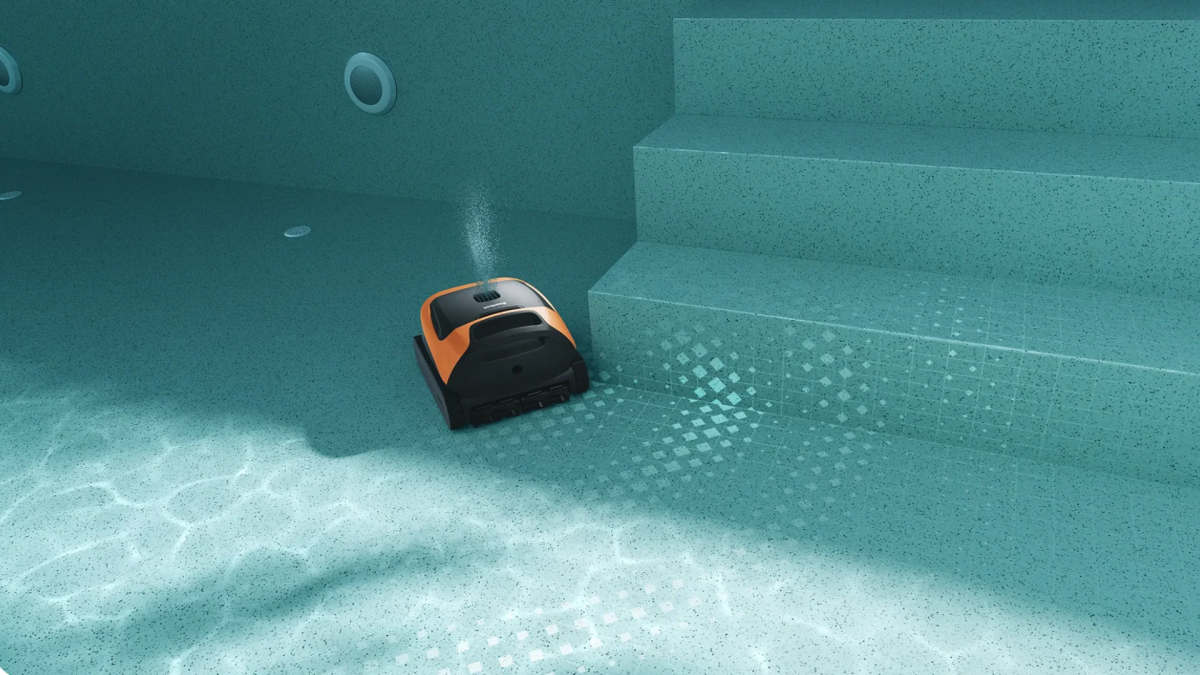
For decades, pool maintenance has remained one of the few home chores that resisted true automation. While basic suction cleaners existed, they relied on clumsy hoses and unpredictable patterns. Beatbot is attempting to change that narrative by positioning its latest hardware—specifically the AquaSense X and the solar-powered iSkim—as a cohesive ecosystem rather than standalone gadgets.
The company is leaning heavily into ‘all-zone’ coverage, a technical approach designed to eliminate the blind spots common in earlier robotic cleaners. By integrating advanced navigation sensors and smarter automation, Beatbot is targeting the gap between consumer-grade vacuum bots and industrial pool systems.
AquaSense X: Engineering the Flagship Experience
The AquaSense X serves as the brand’s technical showcase. Unlike the entry-level Sora series, which provides a streamlined introduction to cordless cleaning, the AquaSense X is built for complex pool geometries. The core differentiator here is the navigation system; it doesn’t just bounce off walls but maps the environment to ensure high-performance coverage across the floor and walls.
At a price point of $3,999 (discounted from $4,250 during their current anniversary event), the AquaSense X is clearly aimed at the ‘tech-head’ demographic—users who prioritize precision and flagship-level engineering over simple utility. The unit focuses on reducing the manual oversight typically required when deploying a robot, promising a level of autonomy that minimizes the need for human intervention during a cleaning cycle.
The iSkim and the Solar Energy Play
While the AquaSense X handles the deep cleaning, the iSkim addresses the most persistent nuisance of pool ownership: surface debris. The iSkim is essentially a robotic skimmer designed for 24/7 operation, a feat made possible by its hybrid power system. It pairs a 10,000 mAh battery with a 24W solar panel, allowing the device to maintain a constant cleaning cycle without needing to be plugged in manually.
From a design perspective, the iSkim emphasizes capacity. The inclusion of a 9L filter basket—significantly larger than many competing surface skimmers—reduces the frequency of manual emptying. For $419 (down from $499), it represents a strategic entry point into the Beatbot ecosystem, serving as a preventative tool that keeps larger debris from sinking and requiring the more expensive AquaSense X to work harder.
Scaling the Ecosystem: From Sora to AquaSense
Beatbot’s current product architecture is designed as a ladder. The Sora series acts as the onboarding tool for those new to cordless cleaning, offering simple settings and a lower barrier to entry. Once a user is comfortable with the efficiency of a robotic system, the AquaSense X provides the ‘pro’ upgrade with its superior mapping and power.
This tiered approach mirrors the strategy seen in the robot vacuum market (such as iRobot or Roborock), where users start with basic navigation and eventually move toward LiDAR and AI-driven mapping. By offering both a surface-level solution (iSkim) and a deep-clean solution (AquaSense X), Beatbot is attempting to capture the entire maintenance workflow.
The company’s Anniversary Promotion, which runs through May 25, 2026, suggests a push to increase their installed user base before the peak of the 2026 summer season.
Related News
Related Articles

The OMB’s Quiet Pivot: How a Rule Change Could Politicize $1 Trillion in Federal Research
A proposed 412-page OMB revision aims to align federal grants with presidential priorities, potentially ending the era of independent peer-reviewed science in the US.
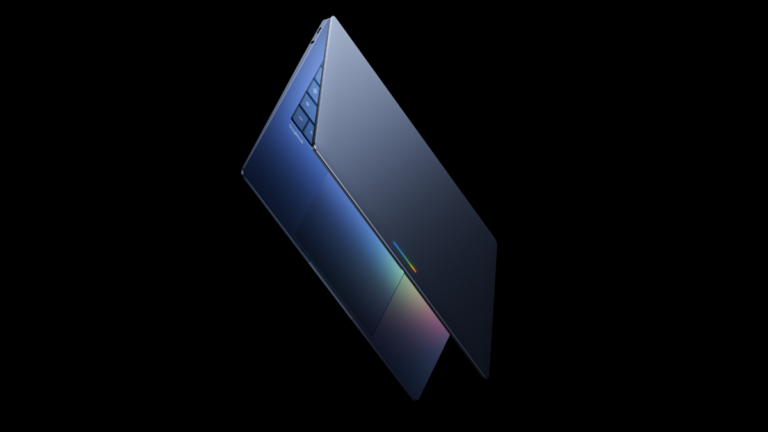
Google Pivots Hardware Strategy with ‘Googlebook’: A New AI-First Laptop Category Built for Gemini
Google unveils the Googlebook, a new breed of laptops designed from the ground up for Gemini AI, signaling a major shift away from traditional ChromeOS architecture.

The First American Pope Leverages US Independence Day to Challenge Europe’s Migration Policy
Pope Leo XIV, the first American pontiff, used his visit to Lampedusa on July 4, 2026, to bridge the US's historical identity as a nation of immigrants with the current Mediterranean crisis.
Comments (0)