Samsung May Pivot Away from Exynos for Galaxy A18, Leaning on Qualcomm and MediaTek
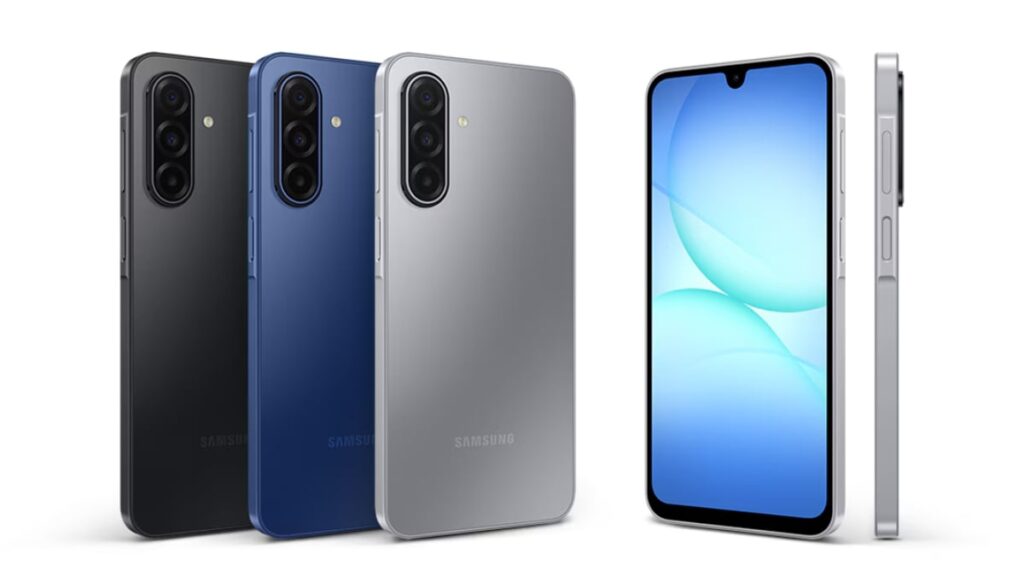
Table of Contents
A Strategic Shift in Silicon
Samsung is reportedly rethinking its approach to the entry-level segment. Internal leaks suggest that the upcoming Galaxy A18 series will see a significant departure from the company’s usual reliance on in-house Exynos silicon, opting instead for a diversified strategy involving Qualcomm and MediaTek.
According to a report from ZDNet Korea, Samsung is preparing to phase out Exynos chipsets for the Galaxy A18 lineup. This move signals a potential shift in how the company manages its budget-tier hardware, prioritizing performance efficiency and modem reliability over the vertical integration of its own semiconductor division.
Breaking the Exynos Cycle
For years, the Galaxy A series has served as a testing ground for Samsung’s Exynos chips. The predecessor, the Galaxy A17 5G, relied heavily on the Exynos 1330 SoC to power its 6.7-inch AMOLED display and general multitasking. While the 1330 was a competent chip for the price point, Samsung has often faced criticism regarding the thermal efficiency and sustained performance of its budget chips compared to the competition.
The leaked strategy for the A18 suggests a split architecture. The 4G variant of the Galaxy A18—which is expected to hit the market first—will reportedly lean on MediaTek. This follows a pattern of utilizing MediaTek’s Helio or Dimensity lines to keep costs low while maintaining acceptable performance benchmarks. On the other hand, the 5G model is rumored to feature a Qualcomm Snapdragon chipset, a move that would likely improve 5G connectivity and overall power management.
Why the Pivot Matters
This shift isn’t just about a change in part numbers; it’s a response to a tightening budget market. In recent years, Xiaomi and Realme have aggressively utilized MediaTek’s Dimensity series to offer high-performance 5G at prices that undercut Samsung’s A-series. By moving to Snapdragon and MediaTek, Samsung can leverage the optimized power profiles and wider developer support these chips provide.
Furthermore, the decision to prioritize the 4G variant’s launch suggests Samsung is still catering to emerging markets where 5G infrastructure is spotty. Using a MediaTek chip for the 4G model allows Samsung to maintain a competitive price floor without compromising the user experience with an underpowered Exynos alternative.
Contextualizing the A18 Hardware
If the leaks hold true, the Galaxy A18 will represent a more “best-of-breed” approach to hardware. While we don’t have confirmed specs for the display or camera arrays yet, the change in silicon usually dictates the rest of the board. A move to Snapdragon often brings better image signal processing (ISP), which could lead to noticeable improvements in the A18’s photography capabilities over the A17.
Samsung has not officially commented on the A18’s internals, but the trend of diversifying chipsets across the A-series is becoming more pronounced as the company seeks to maintain its dominance in the global smartphone volume game.