Samsung Display Ramp-Up: OLED Production Begins for iPad Mini and iPhone 18 Pro Series
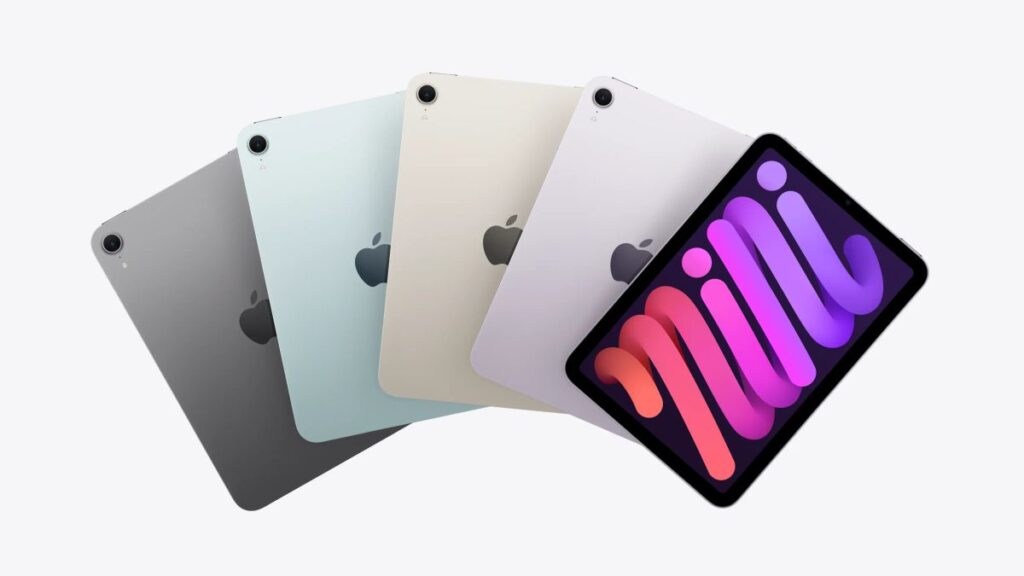
Table of Contents
A Strategic Shift in Apple’s Display Roadmap
The internal supply chain for Apple’s upcoming hardware refresh is beginning to materialize. According to reports from Korean publication ETNews, Samsung Display has officially pivoted into the mass production phase for OLED panels destined for the next iteration of the iPad Mini. This move marks a critical transition for the smallest member of the iPad family, which has long relied on LCD technology, often criticized by users for the ‘jelly scrolling’ effect and inferior contrast ratios.
While the iPad Mini update is the immediate focus, the production ramp-up extends further into the horizon. Samsung is reportedly already fabricating panels for the iPhone 18 Pro and iPhone 18 Pro Max. While the iPhone 18 series is still several cycles away, the early start in panel production suggests Apple is refining its display requirements well in advance to avoid the yield issues that have occasionally plagued previous Pro Max launches.
The OLED Migration Across the Ecosystem
The transition of the iPad Mini is not an isolated event but part of a broader, aggressive push to eliminate LCDs from the Apple ecosystem. For years, the iPad Pro has been the flagship for ProMotion and high-end displays, but the Mini has remained a budget-friendly outlier in terms of panel tech. By bringing OLED to the Mini, Apple is not just improving visual fidelity; it is streamlining its component sourcing across the tablet lineup.
Industry insiders suggest this momentum will carry over into the MacBook Pro line and the long-rumored foldable iPhone. Moving toward a unified OLED standard allows Apple to leverage greater economies of scale. However, this shift also consolidates power within a very tight group of suppliers. While LG Display remains a key partner in this rollout, reports indicate that the Chinese manufacturer BOE has been largely sidelined in this specific production cycle, leaving the heavy lifting to the South Korean giants.
Technical Implications and Market Positioning
The move to OLED for the iPad Mini is expected to solve the pervasive refresh rate and ghosting issues seen in previous generations. OLED’s ability to turn off individual pixels allows for true blacks and significantly better power efficiency, which is paramount for a device marketed for portability and long-term reading.
For the iPhone 18 Pro series, the early production suggests Apple may be exploring new iterations of LTPO (Low-Temperature Polycrystalline Oxide) technology to further reduce power consumption while maintaining 120Hz ProMotion. The Pro Max variant, in particular, requires panels that can handle higher brightness peaks without the risk of permanent burn-in, a challenge Samsung Display has spent the last three years addressing with its M-series organic materials.
As Apple continues to diversify its device categories—including the potential for a foldable form factor—the reliance on Samsung’s foldable OLED expertise becomes an operational necessity. The current production surge for the iPad Mini and iPhone 18 Pro is essentially a stress test for the supply chain that will support the next decade of Apple’s hardware design.