Oppo Pivot: ColorOS 17 to Prioritize System Stability Over New Features
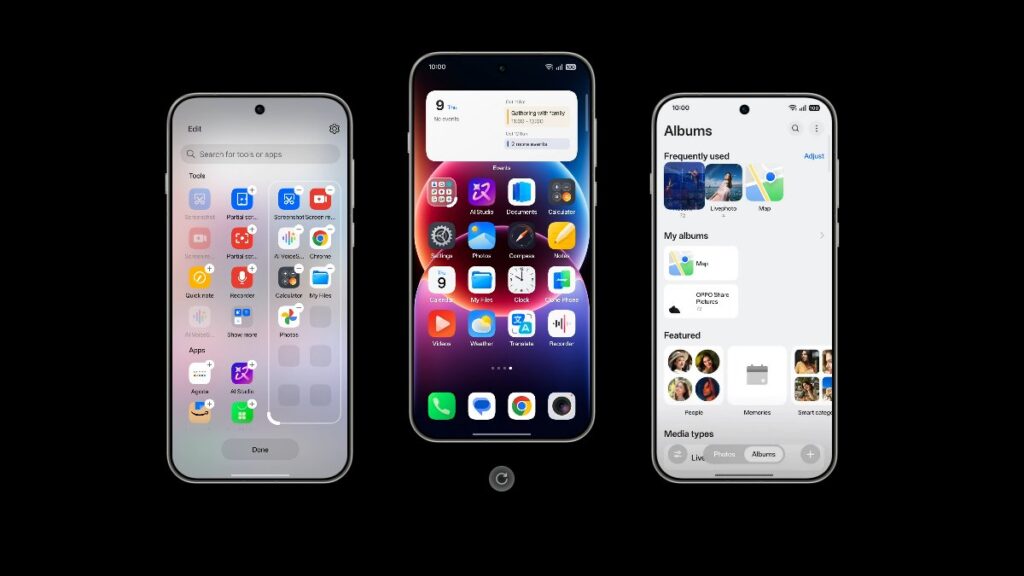
Table of Contents
A Strategic Shift in Oppo’s Software Roadmap
In the hyper-competitive Android skin market, the pressure to deliver a ‘visual revolution’ with every annual update is immense. However, Oppo appears to be breaking that cycle. Following the launch of ColorOS 16 in October 2025, expectations were mounting for a radical redesign in the next iteration. But according to a recent admission from an Oppo executive, the company is pivoting. ColorOS 17 will prioritize the fundamental user experience over flashy new features or aesthetic overhauls.
- Focus Shift: ColorOS 17 is moving away from major design changes to prioritize core system stability.
- Feature Delay: New capabilities and visual updates are being postponed in favor of a ‘summer development plan’ focused on optimization.
- Executive Confirmation: The shift was confirmed by Oppo executive Chen Xi via Weibo.
- Android Integration: The update will continue to build upon the Android 16 framework established in the previous version.
For users, this is a double-edged sword. While the lack of a ‘new look’ might feel underwhelming to those who upgrade devices annually, a focus on optimization typically translates to better battery life, reduced system lag, and fewer day-one bugs—issues that have historically plagued rapid software rollouts in the Android ecosystem.
The revelation came via Weibo, where Oppo executive Chen Xi addressed mounting rumors regarding the software’s direction. In a candid post, Chen Xi clarified that the ‘summer development plan of ColorOS 17 is optimising the basic user experience, so new features will be postponed.’ This transparency is a departure from the typical marketing cadence of smartphone manufacturers, who usually lean into ‘revolutionary’ claims to drive device sales.
Deconstructing the ‘Core Experience’ Strategy
When a company like Oppo speaks about “optimizing the basic user experience,” it generally refers to a specific set of technical priorities. In the context of Android 16 and the current state of mobile hardware, this likely involves three key pillars: memory management, thermal regulation, and API efficiency.
Android 16 introduced several under-the-hood changes to how background processes are handled. If ColorOS 17 focuses on these, we can expect a more responsive UI, even on mid-range devices. By ignoring the temptation to add heavy visual layers or complex new AI-driven widgets in the initial phase, Oppo is effectively reducing the ‘software bloat’ that often degrades performance over time.
“The focus is on the core. If the foundation isn’t stable, new features are just distractions that introduce more bugs.” — (Analytic interpretation of Chen Xi’s Weibo communication)
The Tension Between Rumors and Reality
Prior to this announcement, leaks circulating in Chinese tech circles suggested that ColorOS 17 would introduce a significant overhaul of the control center and a new approach to lock-screen customization. Chen Xi’s statement directly contradicts these rumors, suggesting that while those features may have been in the conceptual phase, they have been sidelined to ensure the software doesn’t compromise device stability.
This decision mirrors a broader trend seen in the industry. Google’s own approach to Android has shifted from the radical visual changes of the early ‘Material You’ era toward a more refined, iterative process. By aligning with this philosophy, Oppo is acknowledging that users are increasingly valuing reliability over novelty.
What This Means for Oppo Users
The practical implications of this shift vary depending on the type of user. For the power user, this is likely a win. A more optimized OS means better sustainment of peak performance during gaming or heavy multitasking. For the casual user, it means a device that feels “snappier” and requires fewer restarts.
Practical Implications by Segment
- Existing Device Owners: Those on ColorOS 16 can expect a smoother transition to 17 without a steep learning curve. The update will likely feel like a ‘polish’ rather than a ‘change’.
- New Buyers: Those purchasing Oppo devices in early 2026 will be getting a system that has been stress-tested for stability, reducing the likelihood of the performance dips often seen in first-generation software versions.
- Enterprise Users: The focus on stability and core experience is critical for business environments where reliability is more important than custom themes.
Comparing the Iteration Cycles
| Focus Area | ColorOS 16 (Launch) | ColorOS 17 (Expected) |
|---|---|---|
| Visual Design | Significant Updates | Minimal/No Change |
| Feature Set | New AI Integration | Optimization of Existing Tools |
| Primary Goal | Innovation & Appeal | Stability & Fluidity |
| Development Priority | Capability Expansion | Core UX Refinement |
Technical Breakdown: Why Optimization Matters More Than Features
To understand why Oppo is making this move, one must look at the interaction between the software skin and the underlying Android kernel. Every new feature added to a skin—whether it’s a new animation or a complex system utility—adds a layer of code that must be executed. When these layers are added too quickly, it creates ‘software friction’.
By focusing on system optimization, Oppo is likely targeting the following technical areas:
Kernel Tuning and Scheduling
Optimizing how the OS assigns tasks to CPU cores can significantly impact battery life. If ColorOS 17 can more efficiently move background tasks to efficiency cores, users will see a tangible increase in screen-on time (SoT).
RAM Management (Virtualization)
Oppo has heavily pushed virtual RAM in previous versions. However, excessive use of swap space can slow down the system. A focus on the ‘basic user experience’ likely involves refining how the system handles active apps to reduce the frequency of app restarts.
UI Latency Reduction
Reducing the millisecond delay between a touch input and the on-screen reaction is the hallmark of a polished OS. By stripping away the need to develop new visual assets, Oppo’s engineers can focus on reducing frame drops and stuttering during navigation.
Addressing the Market Context
Oppo isn’t operating in a vacuum. Competitors like Xiaomi (HyperOS) and Samsung (One UI) have both struggled with the balance of feature-heavy updates and system stability. Samsung, in particular, has moved toward a more iterative approach with its One UI updates, focusing on refinement over radical change.
Furthermore, the rise of generative AI in mobile OSs has added a massive amount of computational overhead. Integrating AI features into the core of the OS often leads to instability if the underlying framework isn’t rock solid. By postponing new features, Oppo is essentially ‘cleaning house’ before attempting to integrate the next wave of AI capabilities.
Frequently Asked Questions
Will ColorOS 17 still be based on Android 16?
Yes, ColorOS 17 will continue to build upon the Android 16 foundation, refining the integration between the software skin and the core OS for better efficiency.
When can I expect the ColorOS 17 update?
While an official date hasn’t been set, the mentioned ‘summer development plan’ suggests that beta testing and rollout phases will likely align with the standard Android update cycle, typically beginning in the latter half of the year.
Does ‘no major redesign’ mean it will look exactly like ColorOS 16?
Mostly, yes. While there may be minor tweaks to icons or menus, the overall layout, navigation, and visual language will remain consistent with the previous version.
Will my battery life improve with this update?
Since the primary goal is system optimization and core experience, there is a high probability of improved power efficiency and better battery management.
Which devices will receive ColorOS 17?
Typically, Oppo provides updates to its flagship Find series and high-end Reno series. A definitive list is usually released alongside the official beta announcement.
Why is Oppo delaying new features?
According to executive Chen Xi, the priority is ensuring the basic user experience is fluid and stable. Postponing features allows the team to focus entirely on performance and bug fixes.
Final Outlook on the Stability Strategy
The decision to prioritize stability over novelty is a mature move for Oppo. In an era where smartphones are becoming commodities, the ‘wow factor’ of a new UI lasts only a few days, but the frustration of a lagging interface lasts for the entire life of the device. By focusing on the core, Oppo is betting that users will value a device that simply works perfectly over one that looks different but crashes more often.
For those waiting for ColorOS 17, the expectation should be a ‘quality of life’ update. It won’t change how you use your phone, but it should change how your phone feels while you’re using it. As Oppo continues to refine its software ecosystem, this commitment to stability could be the key to improving long-term brand loyalty in the competitive Asian and Global markets.