Microsoft Bets on Enterprise AI with New Surface Laptop and Pro Lineup
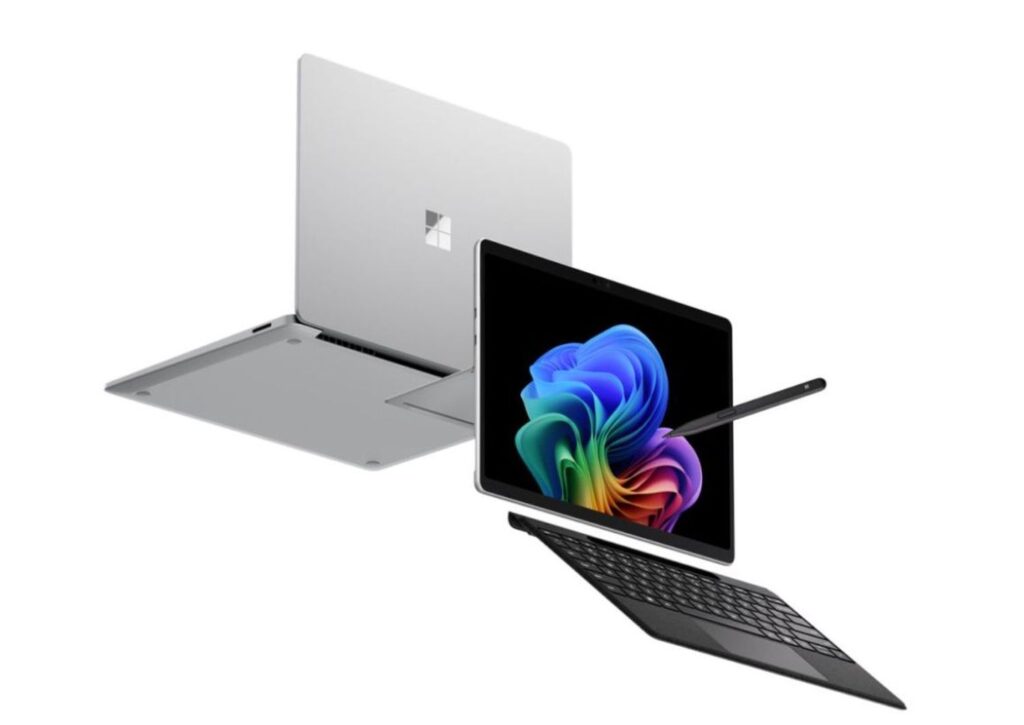
Table of Contents
The Shift Toward ‘AI-Ready’ Hardware
Microsoft has unveiled a sweeping refresh of its Surface ecosystem tailored specifically for the enterprise sector. The rollout includes a new 13-inch Surface Laptop, alongside 13.8-inch and 15-inch variants, and a refreshed 13-inch Surface Pro. While the chassis updates are incremental, the internal shift is significant: Microsoft is positioning these machines as the primary delivery vehicles for its expanding suite of AI tools.
The entire lineup debuts with Intel’s latest Core Ultra Series 3 processors. However, the real story for power users is what’s coming next. Microsoft confirmed that Snapdragon X2-powered variants are slated for release later this year. This transition to ARM-based architecture is a clear play to compete with Apple’s M-series silicon, promising a leap in battery longevity and more efficient local AI acceleration for Copilot+ features that currently struggle on traditional x86 hardware.
Haptics and Privacy: Polishing the Enterprise Experience
For the 13.8-inch and 15-inch Surface Laptop models, the most tangible upgrades are centered on the user interface. Microsoft has introduced a new integrated privacy screen on select configurations. Unlike traditional third-party adhesive filters, this is a software-integrated solution that narrows viewing angles instantly—a feature that mirrors the ‘privacy mode’ seen in high-end mobile devices and is a direct response to the needs of corporate users working in open-office or transit environments.
The 15-inch model also sees a bump in resolution, though the continued reliance on LCD technology suggests that Microsoft is saving its OLED panels for the consumer-facing models expected later this summer. Perhaps more surprising is the redesign of the trackpad. The larger Laptops now feature haptic feedback, providing tactile confirmation when snapping windows or dragging assets in Windows 11. It is a subtle move, but one that brings the Surface lineup closer to the premium feel of the MacBook Pro’s Force Touch trackpads.
Breaking the ‘Disposable’ Cycle
One of the more critical pivots in this release is Microsoft’s admission that enterprise hardware needs to last longer and be easier to fix. The chassis of the 13.8-inch and 15-inch Laptops, as well as the Surface Pro 13, are constructed from 100% recycled aluminum. More importantly, the company has fundamentally altered the internal layout to reduce the use of adhesives.
By moving toward a more modular internal design, Microsoft claims that IT departments can now perform repairs using standard tools. The 13-inch Surface Laptop specifically features a removable Gen 4 SSD, moving away from the soldered-down components that have plagued previous generations and limited the lifespan of these devices for corporate fleets.
The Cost of Intelligence
The Surface Pro 13 remains the most conservative update of the bunch, essentially serving as a vessel for the new Intel silicon without inheriting the haptic upgrades seen in the laptop line. However, the pricing across the board reflects a new reality for premium hardware. Flagship business configurations start at $1,949, featuring Intel Core Ultra 5 processors and 16 GB of RAM.
Microsoft has attributed this premium pricing to the rising cost of AI-capable components. For those on a tighter budget, a 8 GB RAM model of the 13-inch laptop will be available for $1,299, though it comes with a significant caveat: it lacks full Copilot+ functionality, effectively creating a two-tier class of users based on their hardware’s NPU (Neural Processing Unit) capabilities.