New York Gallery Sparks Outrage After Selling AI-Colorized Ansel Adams Masterpiece
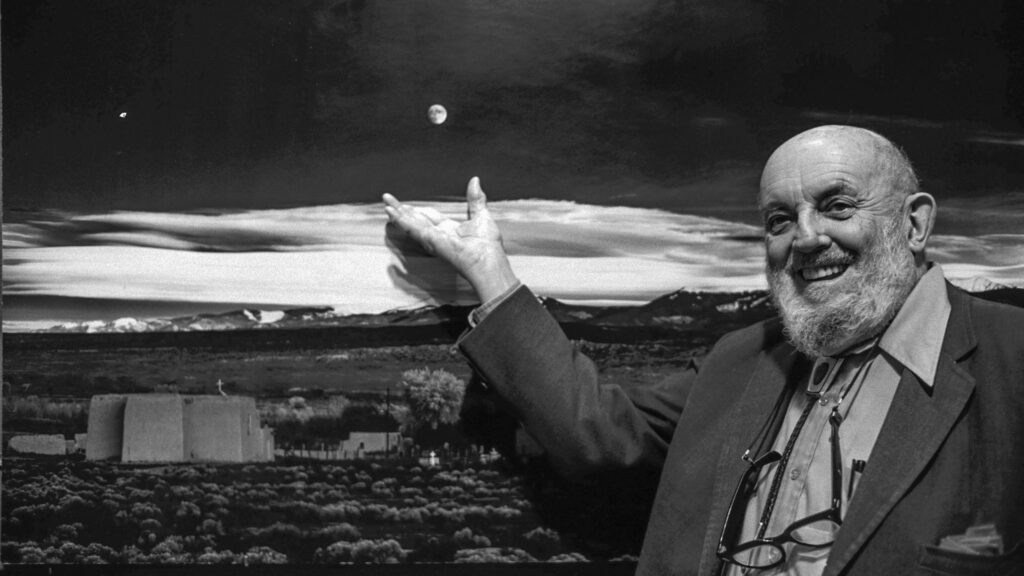
Table of Contents
A Modern Collision of Code and Classic Art
The tension between generative AI and traditional artistic intellectual property has found a new flashpoint in Manhattan. The Danziger Gallery, a respected photography dealership, recently exhibited an AI-generated color version of one of the most iconic photographs in history: Ansel Adams’ 1941 masterpiece, Moonrise, Hernandez, New Mexico.
The piece was showcased at The Photography Show, an annual event hosted by the Association of International Photography Art Dealers at the Park Avenue Armory from April 22-26. While the gallery framed the work as a technical evolution, the lack of consultation with the Ansel Adams Publishing Rights Trust has ignited a fierce debate over the ethics of “transformative” AI works and the preservation of an artist’s intent.
The Process: From Prompt to Print
According to gallery documentation, the image was not a simple filter application. It began with the prompt “Make a realistic color version of Ansel Adams’ iconic ‘Moonrise Over Hernandez'”. From there, the work underwent a rigorous multi-month process of proofing, regenerating, and manual manipulation via Photoshop. The final product was then printed in three sizes by master printer Esteban Mauchi and offered in limited editions of ten.
For critics, this process represents a fundamental misunderstanding of Adams’ work. Adams spent his career pioneering the Zone System, a meticulous technical framework for controlling exposure and development to achieve a specific tonal range in black and white. To Adams, the absence of color was not a limitation to be “fixed,” but a deliberate aesthetic choice designed to emphasize form, light, and the spiritual quality of the American West.
The Legal Shield vs. Moral Intent
The reaction from the Ansel Adams Publishing Rights Trust was unexpectedly nuanced. In a public statement released via Instagram, the Trust avoided a blanket condemnation of AI technology. Instead, they acknowledged that Adams himself—a lifelong innovator who embraced the potential of computers to transform photography—would likely have been fascinated by the capabilities of modern generative tools.
However, the Trust’s grievance lies in the bypass of professional courtesy and the commercialization of a derivative work without consent. The conflict centers on the definition of “transformative work.” James Danziger, owner of the gallery, defended the exhibition by claiming that since the original image is in the public domain, he maintained the legal right to create a new interpretation.
This defense highlights a growing loophole in current copyright frameworks. While the original 1941 image may be public domain, the moral rights of an artist—specifically the right to prevent a work from being distorted or modified in a way that harms the artist’s reputation—remain a gray area in U.S. law, especially when applied to AI-generated derivatives.
The Broader Implication for Digital Culture
This incident reflects a wider trend in the art market where the “novelty” of AI is being used to recontextualize established masterpieces for a new generation of collectors. By rebranding a public domain image as “AI Generated,” the gallery attempted to bridge the gap between 20th-century fine art and 21st-century tech-art. Yet, by ignoring the Trust, they stepped into a minefield of professional ethics.
The controversy underscores a critical question for the industry: at what point does an AI-assisted modification cease to be a tribute and become an appropriation? As AI tools become more sophisticated, the line between a “transformative’ edit and a copyright violation continues to blur, leaving legacy estates and modern galleries in a precarious legal and ethical standoff.