Microsoft Surface Laptop Ultra Leverages NVIDIA RTX Spark to Push ARM Performance Boundaries
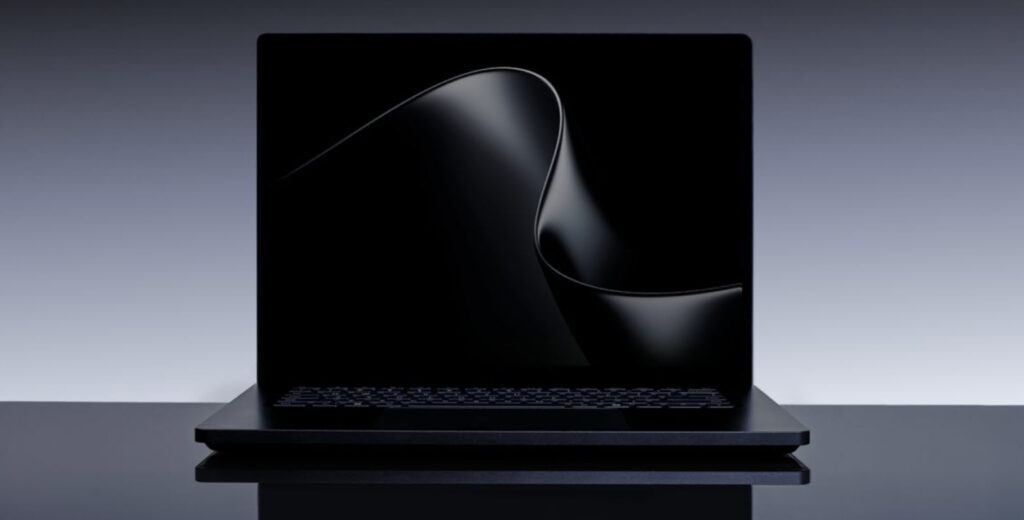
Table of Contents
A Shift in the ARM Power Dynamic
Microsoft has long struggled to find the right balance between portability and raw power in its Windows on ARM ecosystem. However, the unveiling of the Surface Laptop Ultra at Computex suggests a pivot toward a high-performance tier that doesn’t just aim for efficiency, but for workstation-grade dominance. The centerpiece of this new machine is the NVIDIA RTX Spark, a custom ARM-based CPU designed to handle the heavy lifting of local AI and creative production that previously required bulky x86 hardware.
The RTX Spark isn’t just a modest bump in clock speed; it represents a fundamental shift in how Microsoft and NVIDIA are approaching the laptop form factor. By integrating a heavy-hitting ARM architecture with NVIDIA’s compute capabilities, the Surface Laptop Ultra is positioned as a direct competitor to the high-end MacBook Pro lineup, specifically targeting users who need to run massive local datasets without sacrificing battery life.
Pushing the Memory Ceiling for Local AI
Perhaps the most significant technical reveal accompanying the hardware is Microsoft’s overhaul of the Windows memory management system. The Surface Laptop Ultra supports up to 128GB of unified memory, a specification that would be overkill for a standard office laptop but is critical for the current AI trajectory. To make use of this, Microsoft is updating Windows to increase the memory ceiling available to the GPU.
In practical terms, this means users can load significantly larger Large Language Models (LLMs) directly onto the device’s memory rather than relying on cloud-based APIs. By improving the memory page size handling on unified memory systems, Microsoft is reducing the latency involved in moving data between the CPU and GPU, which is often the primary bottleneck in local AI inference.
Display Innovation and Physicality
The hardware design reflects the ‘Ultra’ branding with a 15-inch Mini LED PixelSense Ultra touchscreen. The display is a standout, boasting a peak HDR brightness of 2,000 nits—the highest ever implemented in a Surface device. This level of luminance makes the device viable for professional outdoor use, which has historically been a pain point for high-gloss laptops.
Microsoft has also addressed the ergonomic shortcomings of previous iterations. The Laptop Ultra features the largest trackpad ever seen on a Surface device, alongside a surprising return to a robust port selection. In a move that acknowledges the needs of creative professionals, the chassis includes a full-sized HDMI port, USB-C, USB-A, an SD card slot, and a dedicated audio jack, reducing the reliance on the dreaded ‘dongle life’.
Thermals and the ARM Compatibility Gap
To manage the heat generated by the RTX Spark, Microsoft and NVIDIA have introduced the Microsoft Power and Thermal Framework (MPTF). This new system is designed to maximize performance-per-watt, ensuring that the device doesn’t throttle aggressively during sustained workloads like 4K video rendering or complex AI generation.
Software compatibility remains the perennial question for ARM Windows devices. Microsoft claims that industry staples like Adobe Photoshop and Premiere Pro are now running natively on ARM and have been specifically optimized for the RTX Spark architecture. On the gaming front, the progress is more incremental. While not a full-fledged gaming rig, popular titles including League of Legends, Valorant, and PUBG are confirmed to run, though the broader library of AAA titles likely still requires emulation or further optimization.
The Surface Laptop Ultra will be available in Platinum and Nightfall finishes. While Microsoft has yet to announce official pricing, the inclusion of Mini LED technology and 128GB memory options suggests a premium price point that reflects its position as a professional workstation.


