Microsoft’s Next Surface Pro Pivot: Leaks Point to Snapdragon X2 Elite and OLED Overhaul
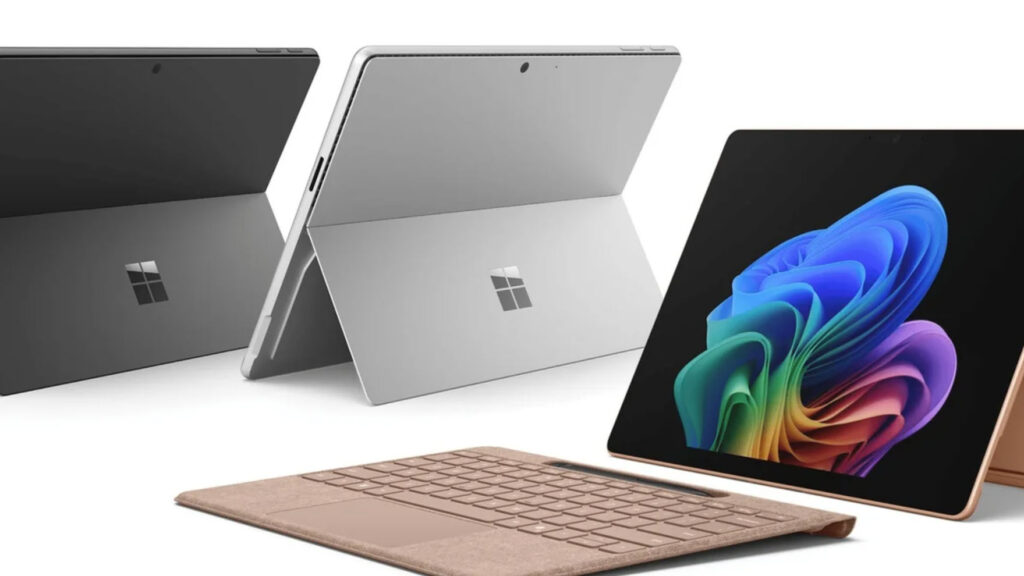
Table of Contents
A Strategic Shift to ARM
Microsoft is aggressively diversifying its hardware strategy, moving away from a one-size-fits-all approach to silicon. While the company recently refreshed its Surface Laptop lineup, new leaks suggest the upcoming Surface Pro 13 is designed to be the flagship showcase for Qualcomm’s next-generation architecture. The device is reportedly sporting the Snapdragon X2 Elite, specifically a variant featuring 12 Prime Oryon cores, signaling a push for higher sustained performance in a tablet form factor.
This move isn’t just about raw speed; it’s about the power-to-performance ratio. By leaning into the ARM architecture, Microsoft is attempting to solve the ‘battery anxiety’ that has plagued the Pro line for years. Early data suggests the Surface Pro 13 could hit upwards of 15.5 hours of video playback, a figure that would put it in direct competition with the MacBook Air’s efficiency metrics.
Display and Input Evolution
The most significant upgrade for power users isn’t under the hood, but on the front. The leaks point to the inclusion of an OLED panel, a feature long requested by digital artists and enthusiasts. This transition from LCD to OLED should provide deeper blacks and higher contrast, which will likely be paired with continued support for the Surface Slim Pen.
Accompanying the hardware is a new accessory: the Surface Pro 13-inch FlexKeyboard. Unlike previous type covers that required a physical tether to the chassis for functionality, the FlexKeyboard is expected to operate in both a traditional attached laptop mode and a detached wireless mode. This would effectively turn the Surface Pro into a desktop-lite experience, allowing the tablet to serve as a standalone monitor while the keyboard sits independently on the desk.
Technical Constraints and AI Integration
On the internal side, the specifications are a mix of high-end performance and some surprising legacy choices. The device is expected to ship with 32 GB of soldered RAM, ensuring the system can handle the memory-intensive demands of modern AI workloads. However, the mention of a PCIe 3.0 SSD is a curious detail; while the SSD remains replaceable—a win for longevity—the use of 3.0 rather than 4.0 or 5.0 suggests a potential bottleneck in sequential read/write speeds.
The AI capabilities are driven by the Hexagon NPU, which is touted to deliver up to 80 TOPS (Tera Operations Per Second) in INT8 precision. This isn’t just a marketing number; it’s the baseline Microsoft is using to power its ‘Copilot+’ vision, enabling on-device AI processing that doesn’t rely on a constant cloud connection.
Hardware Specifications at a Glance
| Component | Leaked Specification |
|---|---|
| Processor | Qualcomm Snapdragon X2 Elite (12 Oryon Cores) |
| Memory | 32 GB (Soldered) |
| Display | OLED with Slim Pen Support |
| Storage Options | 256 GB / 512 GB / 1 TB (Replaceable) |
| Connectivity | 2x USB-C 4.0 |
| Battery Life | ~15.5 Hours (Video Playback) |
Market Context and Launch
The Surface Pro 13 arrives at a volatile time for Windows on ARM. While x86 emulation has improved, the ‘app gap’ remains a talking point. By pairing the X2 Elite with a high-end OLED screen and a flexible keyboard, Microsoft is betting that the hardware experience will be compelling enough to outweigh any remaining software friction.
The device is rumored to be available in three finishes: Black, Platinum, and a new ‘Dune’ colorway. If the leaks hold true, we can expect an official unveiling around June 16th, positioning the device as the primary answer to Apple’s M-series dominance in the ultra-portable category.


