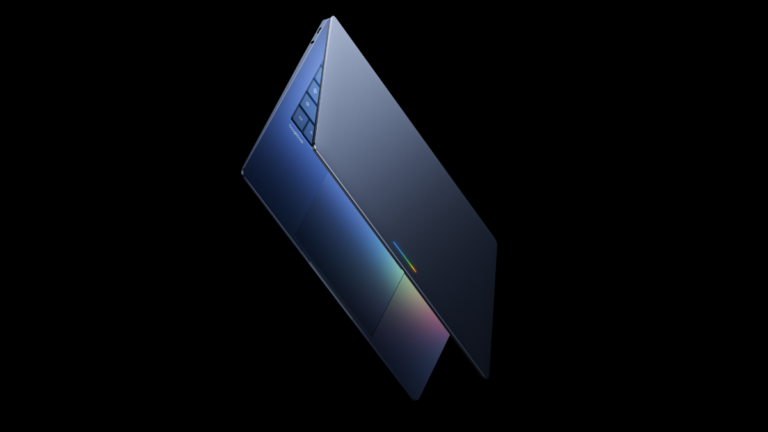
Microsoft pivots to hardware-accelerated dev kits and Linux parity at Build
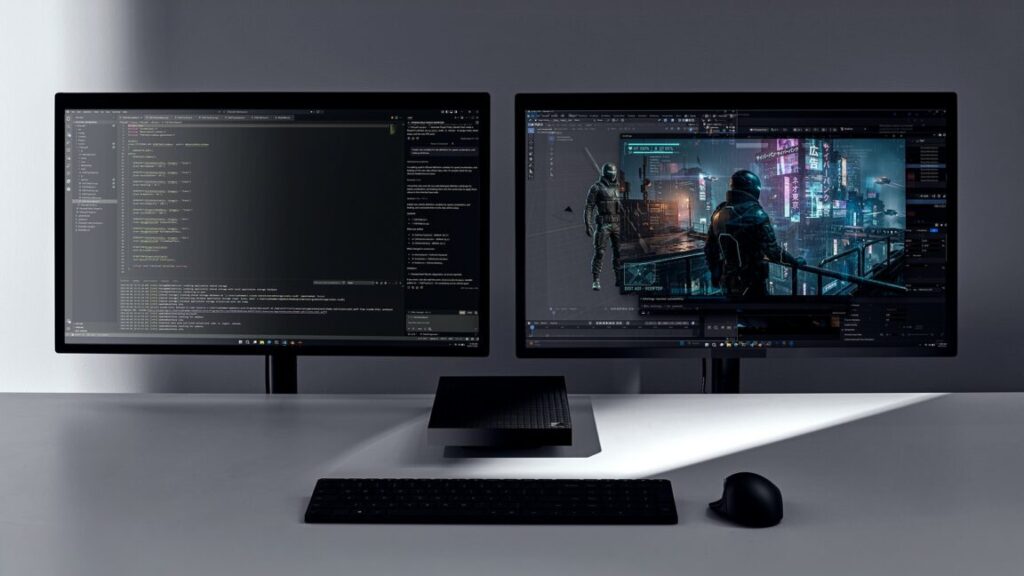
Table of Contents
The shift toward specialized developer silicon
While Microsoft’s Build keynote was predictably saturated with generative AI promises, the most tangible developments for the actual engineering community happened in the margins. Amidst the noise of agentic workflows and multi-model scanning, Microsoft unveiled the Surface RTX Spark Dev Box—a compact, high-performance PC designed specifically to bridge the gap between local development and heavy-duty AI compute.
The RTX Spark Dev Box departs from the sleek, consumer-facing aesthetic of the Surface line. Described as a compact developer PC, the unit features an industrial aluminum chassis that doubles as a massive heatsink, a necessity given the thermal demands of Nvidia’s RTX Spark chip. With up to 128GB of built-in memory, the machine is clearly aimed at developers training small-scale models or running complex simulations locally without relying entirely on the cloud.
This move represents a strategic evolution from the 2023 Windows Dev Kit (Project Volterra). Where Volterra was an experiment in Arm-native transition via the Snapdragon 8cx Gen 3, the RTX Spark Dev Box is about raw throughput and GPU acceleration. It signals Microsoft’s recognition that as AI development moves from simple API calls to local fine-tuning, the standard laptop form factor is no longer sufficient.
Breaking the friction between Windows and Linux
For those not chasing AI hardware, the more significant news lies in the continued erosion of the wall between Windows and Linux. Microsoft is introducing a Windows-native version of coreutils command-line tools, a move that aims to make scripts and commands portable across both environments without the usual translation headaches.
The Windows Subsystem for Linux (WSL) is also getting a critical update: the ability to run within containers. Set to arrive in the coming months, this allows developers to encapsulate their entire Linux environment, making it easier to move workloads across different machines or deployment targets without fearing “it works on my machine” syndrome.
To further streamline the onboarding process, Microsoft introduced Windows Developer Configurations. By leveraging the WinGet package manager, developers can now deploy a complete, optimized environment—including VS Code, GitHub Copilot, WSL, and PowerShell 7—via a single command. It is a pragmatic attempt to reduce the “time to first commit” for new engineers joining a project on Windows 11.
Solving the AI ‘Trust Gap’ with MXC
Perhaps the most overlooked announcement is the introduction of Microsoft Execution Containers (MXC). As Microsoft pushes “agentic” AI like the OpenClaw-based Microsoft Scout—which can autonomously navigate M365 data—the company is facing a significant trust problem. Giving an AI agent unrestricted access to a file system or a corporate network is a security nightmare.
MXC addresses this by providing enterprise-grade sandboxed environments. Rather than granting an agent global permissions, Windows will now enforce specific, isolated containers where the AI can operate. If a developer tells an agent to analyze a codebase, the agent stays within that specific MXC sandbox, prevented from accessing personal accounts or deleting critical system files unless explicitly authorized.
Interestingly, the GitHub repository for MXC suggests these containment backends aren’t limited to AI. The technology could theoretically be used to sandbox any third-party plugin or volatile tool, potentially bringing a new layer of security to how developers execute untrusted code on Windows.
The cost of performance
Microsoft has yet to release official pricing for the RTX Spark Dev Box. However, industry benchmarks suggest it will be a significant step up from the $600 Project Volterra kits. The real question is whether Microsoft can undercut Nvidia’s own DGX Spark boxes, which currently carry a staggering $4,699 price tag. If Microsoft can position the Dev Box as a more accessible entry point into the RTX Spark ecosystem, it may successfully lock more developers into the Windows ecosystem for high-compute tasks.