Microsoft Gambles Again on Nvidia Arm Silicon with the Surface Laptop Ultra
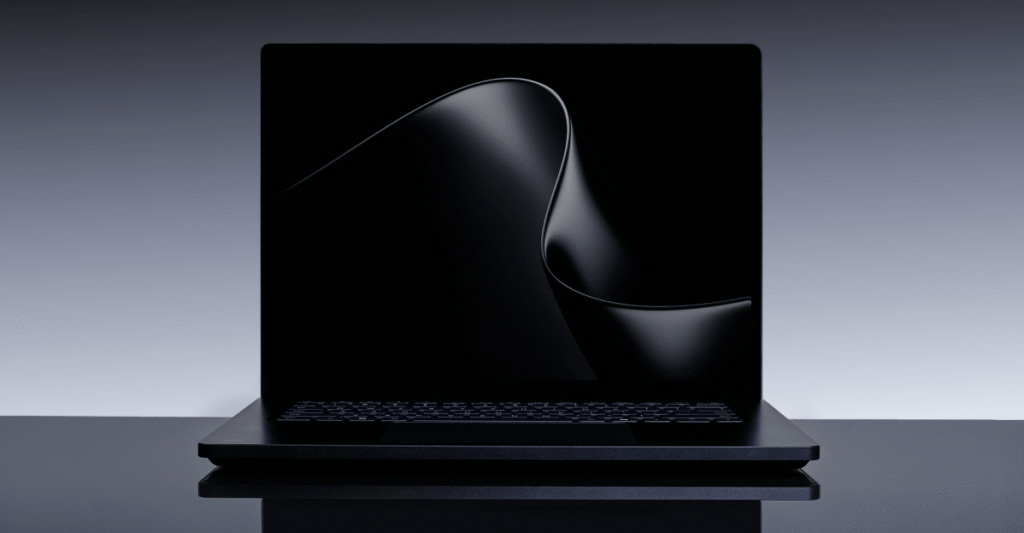
Table of Contents
A high-stakes reunion with Arm
Microsoft is returning to a strategy that once cost the company a staggering $900 million write-down. In a move that signals a pivot toward AI-native hardware, Microsoft has announced the Surface Laptop Ultra, a flagship machine powered by Nvidia’s new Arm-based RTX Spark silicon. The original attempt to marry Nvidia Arm chips with Windows portables ended in a financial disaster years ago, but the current landscape—dominated by the need for efficient, high-compute AI processing—has prompted a second attempt.
The Surface Laptop Ultra isn’t just a spec bump; it is an architectural shift. By moving away from traditional x86 architecture in its top-tier flagship, Microsoft is betting that the efficiency of Arm, coupled with Nvidia’s GPU dominance, can finally solve the “battery vs. power” paradox that has plagued Windows laptops for a decade.
The RTX Spark ‘Superchip’ breakdown
At the heart of the Ultra is the RTX Spark, a processor that bridges the gap between a traditional CPU and a dedicated AI accelerator. The hardware is essentially a consumer-optimized version of the silicon found in Nvidia’s DGX Spark mini-PCs, which were previously reserved for AI developers.
The technical ceiling for the RTX Spark is ambitious. The top-end configurations boast up to 20 CPU cores and 6,144 GPU cores, supported by a massive 128GB of unified memory. This unified memory architecture is critical; by allowing the CPU and GPU to share the same pool of high-speed RAM, the system can handle larger LLMs (Large Language Models) locally without the bottleneck of shuffling data across a PCIe bus.
However, Nvidia is mindful of the price sensitivity in the laptop market. Company representatives confirmed in briefings that the RTX Spark family will be tiered, with entry-level models starting as low as 16GB of memory to keep the device accessible to non-enterprise users.
Display and Chassis: Pushing the Mini-LED Frontier
Beyond the silicon, the Surface Laptop Ultra introduces a 15-inch mini-LED touchscreen that represents a significant jump in display tech for the Surface line. With a pixel density of 262 PPI and a peak HDR brightness of 2,000 nits, it is positioned as the brightest screen Microsoft has ever shipped in a laptop. This level of brightness is particularly relevant for users working in high-glare environments, where traditional OLEDs or LCDs often struggle.
The chassis remains true to the Surface aesthetic, available in silver and dark grey, weighing in at under 4.5 pounds. In a move that will please power users, Microsoft has avoided the “port-less” trend. The Ultra includes USB-C, USB-A, HDMI, a full-size SD card slot, and a headphone jack. While Microsoft has been tight-lipped about the specific versions of these ports (such as whether the USB-C ports support Thunderbolt 4 equivalents on Arm), the sheer variety suggests a device intended for professional creators rather than just casual office work.
The ‘Windows on Arm’ hurdle
The success of the Surface Laptop Ultra depends less on its hardware and more on the software ecosystem. Microsoft and Nvidia have reportedly spent years optimizing Windows 11 for the RTX Spark to avoid the emulation lag and app incompatibility that hampered previous Arm-based Windows devices.
The RTX Spark is claimed to deliver roughly the graphical performance of an RTX 5070 laptop GPU while maintaining “all-day” battery life, alongside up to 1 petaflop of AI compute. But for this to matter, developers must commit to native Arm binaries. Microsoft is currently leveraging its influence to convince major software vendors to support this new architecture, ensuring that the 1 petaflop of AI power isn’t wasted on legacy software that cannot utilize the chip’s specialized cores.
The Surface Laptop Ultra will be the first of several RTX Spark-powered machines hitting the market this fall, marking a coordinated effort between the software giant and the chip leader to redefine what an “AI PC” actually looks like.


