Nvidia Enters the Laptop War: RTX Spark Aims to Topple x86 Dominance with Arm-Based Silicon
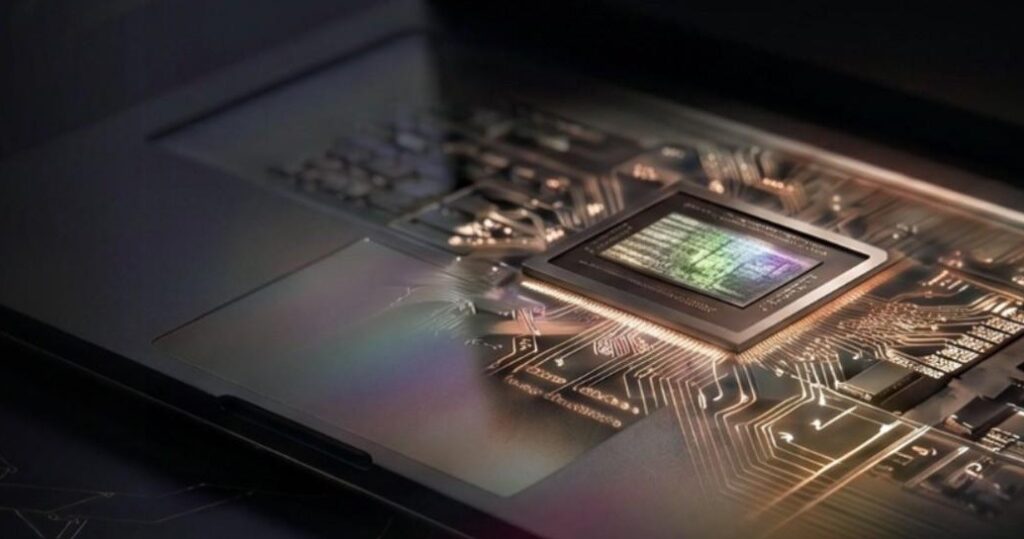
Table of Contents
The New Challenger in the Silicon Race
Nvidia is officially stepping out of the GPU niche and into the heart of the PC. This fall, the company will launch the RTX Spark, a family of Arm-based computing chips designed to power laptops and mini-PCs. The move effectively positions Nvidia as a direct competitor to Intel, AMD, Apple, and Qualcomm, signaling a pivot from providing components to defining the entire architecture of the consumer machine.
The RTX Spark isn’t a total departure from Nvidia’s existing ecosystem; it’s an evolution. The hardware is essentially a consumer-facing version of the GB10 chip found in the DGX Spark, the “personal AI supercomputer” Nvidia debuted last year. While the company has avoided releasing a detailed benchmarking suite, the flagship configuration is a beast on paper: 20 CPU cores, 6,144 GPU cores, and a massive 128GB of LPDDR5X unified memory.
By utilizing Arm architecture, Nvidia is betting on efficiency over legacy compatibility. For years, the x86 architecture of Intel and AMD has dominated Windows, but the shift toward Arm—led by Apple’s M-series and Qualcomm’s Snapdragon X Elite—has forced Microsoft to refine its Prism emulator. Nvidia claims that by combining its graphics pedigree with this new silicon, it can offer a level of performance that makes the emulation penalty a non-issue for most users.
Beyond the Spec Sheet: AI as the Interface
Nvidia isn’t just selling more cores; it’s selling a new way to interact with a computer. The company is pushing a vision where “AI is the UX,” moving away from the traditional mouse-and-keyboard reliance toward autonomous agents. With up to 128GB of unified memory—matching the high end of AMD’s Strix Halo parts—RTX Spark machines can host 120-billion-parameter AI agents locally.
This local processing is the core of Nvidia’s privacy and cost pitch. By running these models on-device, users avoid the “token tax” of cloud AI and keep sensitive data off external servers. In a tight partnership with Microsoft, Nvidia is introducing the OpenShell runtime, which allows these personal agents to operate safely within the OS. The goal is a system where an AI agent can autonomously manage a software developer’s GitHub project or a streamer’s broadcast settings without the user needing to navigate a complex menu.
The performance claims are equally ambitious. Nvidia suggests that a 14mm-thick laptop powered by the Spark could render a 90GB 3D scene or run Indiana Jones and the Great Circle at 100fps at 1440p resolution—all while unplugged. Whether these claims hold up in real-world thermal throttling scenarios remains to be seen, but the hardware targets are clearly aimed at the “prosumer” market.
The Ecosystem Pivot
A chip is only as good as the software that runs on it. To avoid the “app gap” that plagued early Windows on Arm attempts, Nvidia and Microsoft have been aggressively courting developers. The list of native Arm support is already extensive, including heavy hitters like Blender, DaVinci Resolve, and the Adobe Creative Suite.
Gaming, the traditional Achilles’ heel of Arm-based Windows machines, is also seeing a shift. Anti-cheat software, which historically blocked non-x86 environments, is beginning to relent. Riot Games is bringing League of Legends and Valorant to the platform, and Krafton is following with PUBG. Epic’s Fortnite has already cleared the path, having launched on Arm last November.
Market Strategy and Availability
The rollout is wide. Nvidia has confirmed partnerships with eight laptop vendors for the fall launch, including Acer, Asus, Dell, Gigabyte, HP, MSI, and Lenovo. Most notable is Microsoft’s own entry: the Surface Laptop Ultra, which Surface boss Andrew Hill describes as the most powerful device the line has ever produced.
Pricing remains the great unknown. While Nvidia’s product management director, Mark Aevermann, noted that the initial wave targets “premium price points,” he hinted at a broader family of chips to follow, some with as little as 16GB of RAM to hit lower tiers of the market. On battery life, the company is promising a significant leap over traditional RTX laptops, claiming the chip can scale down to “low, low single-digit” wattage during idle tasks.


