Microsoft Confirms No Surface Gaming Laptop in the Pipeline, Citing a ‘Healthy’ Windows Ecosystem
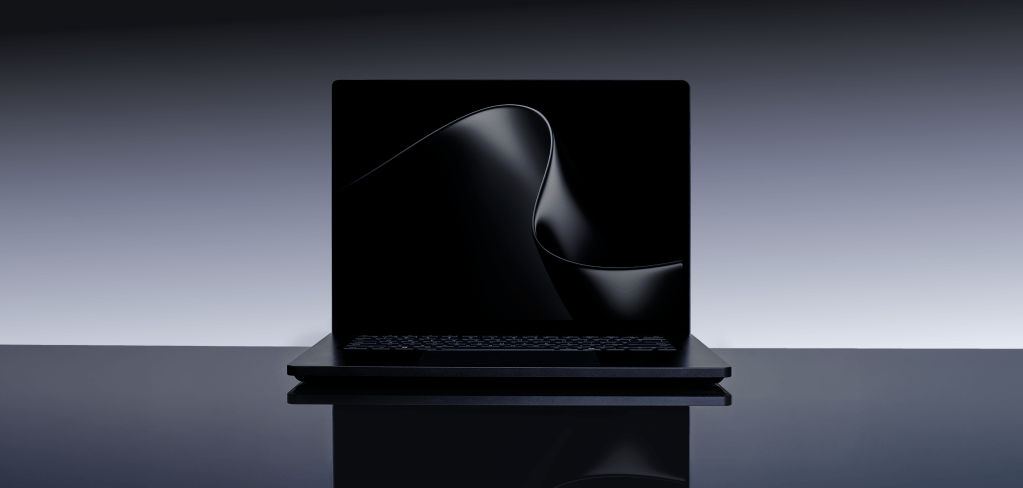
Table of Contents
The Strategy of Strategic Absence
For years, the tech community has speculated on the arrival of a dedicated Surface gaming laptop—a high-performance machine blending Microsoft’s minimalist industrial design with the raw power required for AAA gaming. However, Microsoft has finally put the rumor to rest. Brett Ostrum, Corporate Vice President of Surface Devices, has confirmed that the company sees no strategic need to enter the gaming laptop arena with a Surface-branded device.
The admission comes at a crossroads for Microsoft’s hardware division. As the company navigates a volatile PC market—marked by the aggressive pricing of Apple’s MacBook lineup and Dell’s iterative XPS updates—the Surface line has increasingly pivoted toward high-end business productivity and AI-integrated mobility. While gaming laptops represent a high-margin segment that appeals to affluent consumers, Ostrum argues that Microsoft’s role is not to compete with every OEM partner in the Windows ecosystem.
Prioritizing the Ecosystem Over Market Share
The logic behind the decision is rooted in ecosystem health rather than hardware limitations. According to Ostrum, Microsoft views Surface devices not as a tool for total market domination, but as a “north star” for what the Windows environment can achieve. If a particular sector—such as gaming—is already thriving through third-party manufacturers like ASUS, Razer, and MSI, Microsoft finds little value in cannibalizing those partnerships.
“In an ecosystem perspective, [the gaming space from a Windows laptop] has been a healthy place,” Ostrum noted. He acknowledged that while Microsoft could chase growth by adding a device featuring “rainbow keyboards, lights, and bells and whistles,” the company has intentionally chosen to step back. By leaving the gaming hardware space to its partners, Microsoft avoids the logistical nightmare of competing directly against the very companies that drive Windows adoption globally.
The ‘Ultra’ Question and ARM Hurdles
Despite the definitive “no” on a dedicated gaming brand, there is a gray area in the form of the upcoming Surface Laptop Ultra. Early reports suggest the device will feature a powerful Nvidia RTX Spark GPU, which could technically push it into the realm of entry-level gaming. However, the hardware pairing remains a gamble; the GPU is expected to be paired with a MediaTek CPU, placing the device firmly in the Windows on ARM category.
Historically, Windows on ARM has struggled with gaming compatibility and performance consistency. Even with a dedicated GPU, the translation layers required to run x86 games on ARM architecture often result in a degraded experience. This technical friction makes it unlikely that the Surface Laptop Ultra will be marketed as a gaming machine, but rather as a high-performance workstation for creators and power users.
What Remains: Project Helix and the Xbox Wildcard
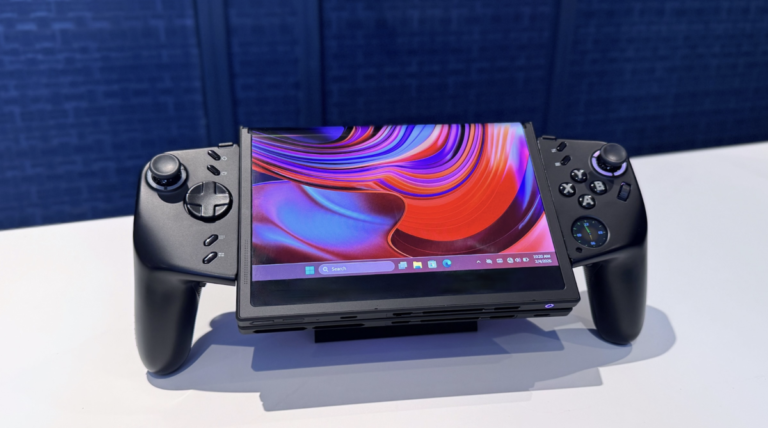
While a traditional laptop is off the table, the curiosity now shifts toward Project Helix. This mysterious initiative is rumored to bridge the gap between console and PC gaming, though Microsoft remains tight-lipped about its form factor. Industry analysis suggests Helix could be an evolution of cloud gaming or a hybrid handheld, potentially drawing inspiration from the success of the ROG Ally and Steam Deck.
There is also the theoretical possibility of the Xbox division launching its own hardware independent of the Surface brand. While Ostrum oversees the Surface portfolio, the Xbox team operates under a different mandate. However, given the current corporate synergy between Windows and Xbox, it is more likely that Microsoft will continue to push its “Play Anywhere” software strategy rather than risking the capital expenditure of a dedicated gaming laptop chassis.