Israel Strikes Iranian Missile Sites as Regional Escalation Tests Diplomatic Buffers
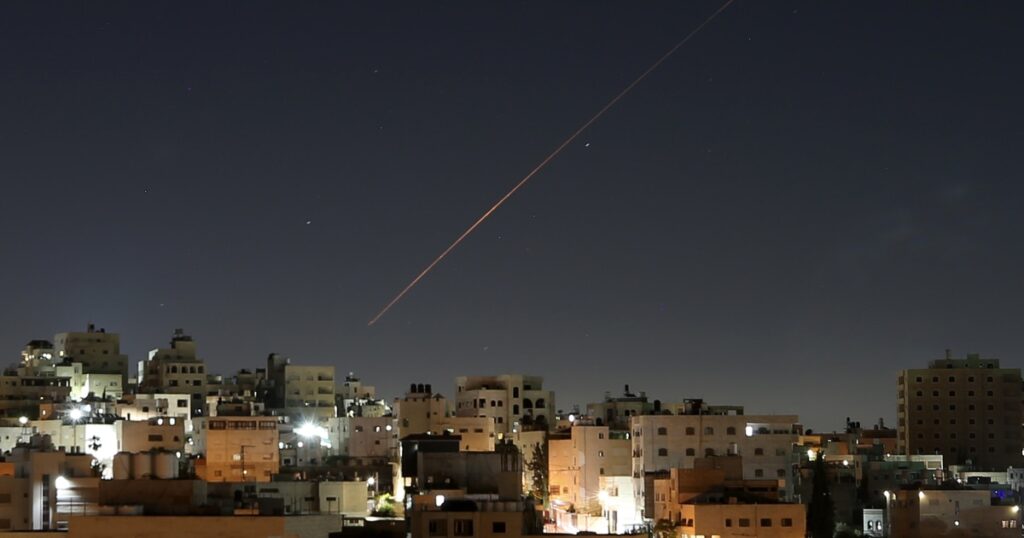
Table of Contents
Precision Strikes and Strategic Targets
The Israel Defense Forces (IDF) have confirmed the execution of targeted airstrikes against military infrastructure in western and central Iran, specifically focusing on surface-to-surface missile launch sites. The operation comes as a direct response to a series of ballistic missile launches from Iranian territory, which the IDF reports were successfully intercepted by its multi-layered air defense network.
Yechiel Leiter, Israel’s ambassador to the U.S., clarified via X that the strikes were calibrated to avoid energy sector infrastructure, aiming instead to degrade Iran’s ability to project long-range missile power. According to Leiter, Iran deployed 11 ballistic missiles toward Israeli territory, a provocation he stated would not be tolerated by any sovereign nation.
The Fog of War in Tehran
Reports from within Iran present a fragmented picture of the damage. While the Tehran fire department stated that no urban residential areas in the capital were targeted, the Islamic Revolutionary Guard Corps (IRGC) confirmed that ballistic missiles struck Iranian soil. This is corroborated by reports from the semiofficial Mehr News Agency, which noted audible explosions in Tabriz, Isfahan, and parts of western Tehran.
The involvement of the IRGC—Iran’s most potent military and economic arm—underscores the strategic nature of the targets. By hitting launch sites rather than civilian hubs or oil refineries, Israel appears to be attempting a precise degradation of military capability without triggering a total economic collapse or an uncontrollable regional war.
Diplomatic Pressure and U.S. Positioning
The geopolitical tension has triggered immediate security protocols for U.S. personnel in the region. The U.S. Embassy in Jerusalem issued a “shelter in place” directive for government employees and their families, warning of potential “red alert” sirens signaling missile or hostile aircraft intrusions. Consular sections in Jerusalem and Tel Aviv were closed on Monday as a precautionary measure.
While the U.S. military is actively monitoring the situation, officials have indicated that the United States has not been directly involved in the kinetic defense against this specific round of Iranian missiles. The Biden administration continues to push for a comprehensive deal to stabilize the Middle East, citing the severe strain on the global economy and the burgeoning humanitarian crises in vulnerable neighboring states.
The Political Variable
Adding a layer of unpredictability to the situation are the public interventions from Donald Trump. In a recent interview with Axios, Trump claimed he intended to contact Prime Minister Benjamin Netanyahu to urge against further retaliation, suggesting that both nations have already “had their fun” with their respective strikes.
Trump’s comments, including a firm assertion in a Financial Times interview that he “calls the shots” regarding future negotiated deals with Iran, suggest a starkly different approach to Middle Eastern diplomacy than the current administration’s strategy of managed escalation and multilateral pressure.
As the dust settles over the sites in western Iran, the focus shifts to whether this exchange represents a calculated “tit-for-tat” cycle or the beginning of a more systemic confrontation involving Hezbollah and other regional proxies in the Dahiya district of Beirut.