Israel Strikes Iranian Military Targets as Regional Tensions Escalate
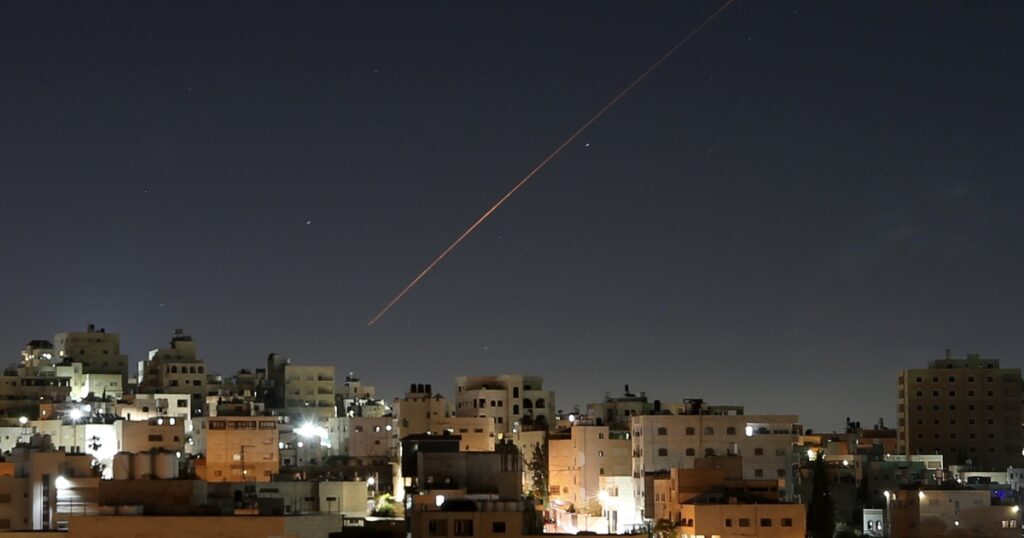
Table of Contents
Precision Strikes and Interceptions
The Israel Defense Forces (IDF) confirmed early Monday that it has conducted a series of targeted strikes against military installations in the western and central regions of Iran. The operation, described by the Israeli Air Force as hitting targets “belonging to the Iranian terror regime,” comes in direct response to a barrage of missiles launched from Iranian territory toward Israel on Sunday.
According to reports from the Iranian state news agency IRNA and the semiofficial Mehr News Agency, explosions were heard in the cities of Tehran, Tabriz, and Isfahan. While the Islamic Revolutionary Guard Corps (IRGC)—the primary arm of Iran’s military and political power—acknowledged that Israel utilized ballistic missiles in the attacks, Tehran’s fire department maintained that no urban residential areas were targeted. The exact number of casualties and the specific nature of the damaged infrastructure remain unclear, though the focus appears to have been strictly on military assets.
The escalation followed a high-tension Sunday where the IDF activated its sophisticated air defense layers to neutralize multiple Iranian missile salvos. The Israeli military reported successful interceptions of the majority of the incoming fire, though security forces were seen examining missile fragments in northern Israel shortly after the engagement.
U.S. Diplomacy and Security Measures
The volatility of the situation prompted immediate security shifts for U.S. personnel in the region. The U.S. Embassy in Jerusalem issued a directive to government employees and their families to shelter in place, warning that “red alert” sirens could be activated in the event of further hostile aircraft intrusions or rocket fire. Consular sections in both Jerusalem and the Tel Aviv branch office remained closed on Monday as a precautionary measure.
While the U.S. military is closely monitoring the situation, a senior U.S. official clarified that there has been no direct U.S. involvement in the interception of this specific round of Iranian missiles. The Biden administration continues to push for a diplomatic resolution to end the broader Middle East conflict, citing the severe strain on the global economy and the looming threat of a humanitarian crisis in vulnerable neighboring states.
Political Friction and Retaliation Cycles
The conflict is now coinciding with aggressive rhetoric from former President Donald Trump, who has publicly attempted to intervene in the cycle of retaliation. In a recent interview with Axios, Trump stated his intention to call Prime Minister Benjamin Netanyahu to urge against further strikes, suggesting that both nations had already “had their fun” with their respective attacks.
Trump’s comments reflect a broader assertion of influence over the region’s diplomatic trajectory. In a separate interview with the Financial Times, Trump claimed that Netanyahu would have “no choice” but to adhere to any deal he negotiates with Iran, asserting a dominant role in the decision-making process with the remark, “I call the shots.”
A Fragile Regional Balance
This latest exchange occurs against a backdrop of extreme instability, following Israeli air strikes in the southern suburbs of Beirut. Those strikes were launched in response to alleged Hezbollah attacks and have threatened to dismantle a recently renewed ceasefire agreement. The rapid transition from ceasefire to open ballistic exchange between Israel and Iran underscores the fragility of the current security architecture in the Levant and the high risk of a wider regional war.