Israel Strikes Iranian Missile Sites as U.S. Embassy in Jerusalem Orders Shelter-in-Place
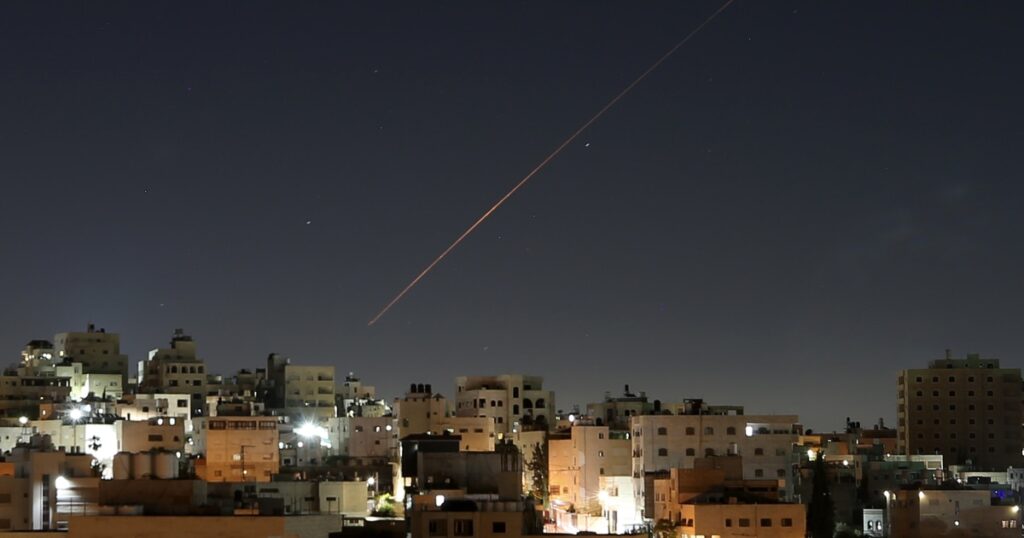
Table of Contents
Escalation in the Levant: Israel Targets Iranian Infrastructure
Tensions between Israel and Iran reached a critical inflection point on Monday as the Israel Defense Forces (IDF) launched targeted strikes against military installations in western and central Iran. The operation, which the IDF stated was aimed at “targets belonging to the Iranian terror regime,” comes in direct response to a barrage of ballistic missiles launched by Tehran toward Israeli territory.
Yechiel Leiter, Israel’s ambassador to the U.S., confirmed the nature of the strikes in a public statement, specifying that the Israeli military focused on surface-to-surface missile launch sites and non-energy related infrastructure. The move signals a strategic attempt to degrade Iran’s long-range strike capabilities without triggering a wider regional energy crisis by avoiding oil and gas facilities.
The retaliatory strikes followed a period of high alert after the IDF reported the interception of 11 ballistic missiles fired from Iran. According to official Israeli statements, the interception of these projectiles was successful, though the sheer volume of the attack prompted an immediate military response to deter further aggression.
U.S. Diplomatic Response and Security Measures
The volatility of the situation triggered immediate security protocols for U.S. personnel in the region. The U.S. Embassy in Jerusalem issued a directive for all government employees and their family members to shelter in place. The embassy’s security alert emphasized the necessity of remaining in protected shelters upon the activation of “red alert” sirens, which signal imminent missile or rocket fire.
In a move reflecting the severity of the security environment, the consular sections of the U.S. Embassy in Jerusalem and the Embassy Branch Office in Tel Aviv remained closed on Monday. U.S. military officials confirmed they are closely monitoring the “active situation,” although they clarified that the United States has not been directly involved in the kinetic interception of this specific round of Iranian missiles.
Reporting from Tehran and Internal Iranian Dynamics
Reports from within Iran present a fragmented picture of the damage. The Islamic Revolutionary Guard Corps (IRGC)—the most influential military and political entity in the country—confirmed via state media and Telegram that Israel launched ballistic missiles into Iranian soil. While the Tehran fire department reported that urban centers remained largely untouched, the semiofficial Mehr News Agency noted audible explosions in Tabriz, Isfahan, and parts of western Tehran.
The IRGC’s acknowledgement of the strikes confirms the reach of the IDF’s operational capabilities, though a comprehensive casualty list or a detailed inventory of destroyed assets has not yet been provided by the Iranian government.
Political Pressure and the Trump Intervention
The military escalation is occurring against a backdrop of intense political maneuvering. In a recent interview with Axios, Donald Trump claimed he intended to contact Israeli Prime Minister Benjamin Netanyahu to discourage further retaliation, suggesting that both nations had already “had their fun” with their respective strikes.
Trump’s rhetoric suggests a desire to freeze the conflict before it spirals into a total war, stating in a separate interview with the Financial Times that Netanyahu would have limited options but to adhere to negotiated deals regarding Iran. This positioning highlights the tension between Israel’s immediate security imperatives and the broader diplomatic goals of U.S. political leadership to stabilize a region that has already strained the global economy and exacerbated humanitarian crises in neighboring territories.
As of Monday evening, the IDF maintains a high state of readiness, with Ambassador Leiter warning that any further escalation from Hezbollah in Lebanon would result in immediate strikes on targets in Dahiya, south of Beirut, further complicating the fragile ceasefire dynamics in the north.