Infrastructure Collapse in La Guaira: Venezuela’s Coastal Hub Reels from Twin Earthquakes
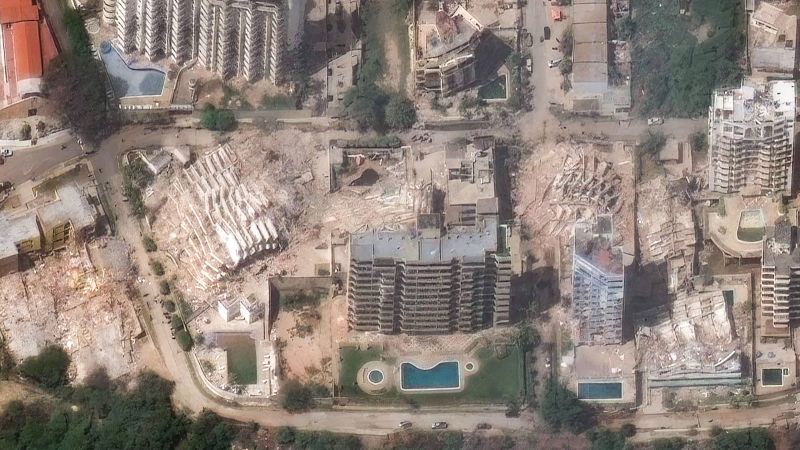
Table of Contents
A City in Ruins
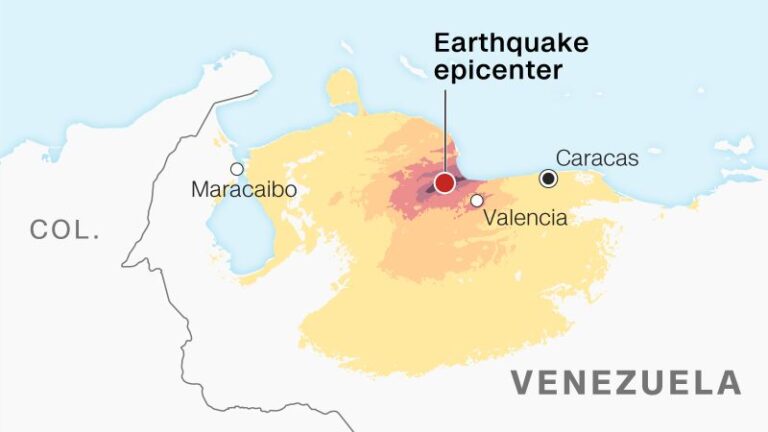
The coastal state of La Guaira, the critical maritime and aerial gateway to Venezuela, is currently facing a humanitarian catastrophe after twin earthquakes devastated the region on Wednesday. While the United States Geological Survey (USGS) identified the epicenter in the neighboring state of Yaracuy, the structural failure was most pronounced in La Guaira, where dozens of apartment complexes have either partially collapsed or tilted dangerously on their foundations.
In the Playa Grande district, the scene is one of absolute wreckage. Residents, including 68-year-old José Terraza, describe a violent initial jolt that left buildings without facades and streets littered with concrete slabs, broken pipes, and personal belongings. For many, the trauma of the event has been compounded by the fear of aftershocks, forcing thousands to spend the night in open public spaces or makeshift shelters in schools and sports stadiums.
Critical Infrastructure at Risk
The strategic importance of La Guaira makes this disaster a national economic concern. The state houses the Simón Bolívar International Airport—the primary air link to Caracas—and one of Venezuela’s largest seaports. Because the region serves as the country’s main logistical engine, any significant disruption to these hubs threatens the flow of goods and international travel for the entire capital district.
Reports from the ground indicate that the emergency response is struggling to keep pace with the scale of the destruction. Acting President Delcy Rodríguez has officially declared La Guaira a disaster zone, describing the situation as a “true tragedy.” However, victims and local aid workers report a severe shortage of essential supplies, including safe drinking water, sanitation kits, and trauma medical care.
A Pattern of Fragility
This is not the first time La Guaira—formerly known as Vargas state until 2019—has been the site of a mass-casualty event. The region’s geography makes it susceptible to various natural disasters, most notably the catastrophic landslides of December 1999. During that event, torrential rains triggered mudslides that buried entire communities, leaving an estimated 15,000 people dead or missing and causing roughly $3.5 billion in economic losses.
The parallels between the 1999 tragedy and the current seismic crisis are stark, particularly regarding the failure of basic utilities. Much like the aftermath of the floods, the current priority for the Venezuelan Red Cross and Médecins Sans Frontières (MSF) is the restoration of water and sewage systems to prevent a secondary health crisis. The lack of official government death tolls from the 1999 disaster has left residents wary of the transparency regarding current casualty figures as search-and-rescue teams continue to dig through the rubble of collapsed apartment blocks.
The Logistics of Recovery
With a population of approximately 300,000, the high density of the metropolitan area has intensified the impact of the quake. Satellite imagery has already revealed fire damage in several sectors, likely caused by ruptured gas lines following the initial tremors. As the state of La Guaira attempts to stabilize, the international community is watching closely to see if the “maritime gateway” can remain operational or if the structural damage to the port and airport will trigger a wider economic paralysis in the region.