Infrastructure Collapse and Systemic Neglect Hamper Venezuela’s Earthquake Recovery
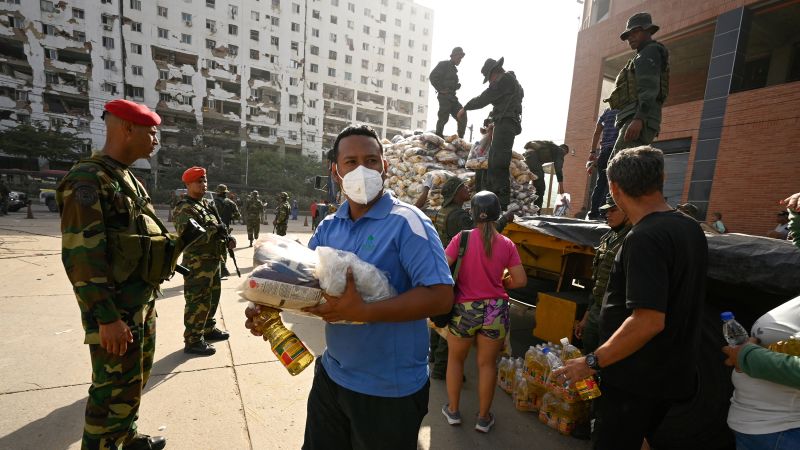
Table of Contents
The Clock vs. the Rubble
In the wake of the devastating twin earthquakes that struck Venezuela on Wednesday, rescue workers are locked in a desperate race against time. With the death toll now climbing to at least 920 people, according to the country’s top lawmaker, the window for finding survivors trapped beneath concrete and steel is closing rapidly. However, the effort is not merely a battle against time, but a struggle against a profound lack of technical resources.
Emergency coordinators report that the primary obstacle is the acute shortage of heavy machinery. In most modern seismic responses, hydraulic cutters, heavy-lift cranes, and specialized sensors are deployed to locate and extract victims. In Venezuela, the absence of this equipment has forced a regression in tactics; in many affected regions, entire communities are clearing debris by hand, using rudimentary tools to dig through the ruins of their own neighborhoods.
A Healthcare System on the Brink
The crisis extends beyond the rubble and into the wards of the nation’s hospitals. While the immediate priority is extraction, the secondary challenge is stabilization. Medical facilities are currently struggling to treat the surge of injured survivors, a failure that is less about the earthquake itself and more about the systemic decay of Venezuela’s healthcare infrastructure over the last two decades.
Decades of neglect, chronic underfunding, and a lack of essential medical supplies have left hospitals ill-equipped to handle a mass-casualty event. Surgeons and nurses are reportedly working with depleted stocks of anesthesia and antibiotics, while power instabilities—common in the region—threaten the operation of critical life-support machinery. This intersection of natural disaster and institutional collapse has created a bottleneck in care, leaving many victims in critical condition without adequate intervention.
The Instability of the Earth
Adding to the logistical nightmare is the relentless cycle of aftershocks. While smaller than the initial quakes, these recurring tremors pose a dual threat: they risk collapsing already unstable structures onto rescue workers and trigger secondary landslides in mountainous regions. These tremors have forced evacuation orders in several “red zones,” effectively pausing rescue operations at the very moment they are most critical.
The psychological toll on the population is mounting. Residents, facing an anguished wait for news of missing family members, have expressed growing frustration with the slow pace of official operations. The gap between the government’s promised response and the reality on the ground has led to a decentralized rescue effort where civilians are taking the lead in high-risk zones.
Diplomatic Channels and Global Aid
The international community has begun to mobilize, though the geopolitical climate adds a layer of complexity to the delivery of aid. US Southern Command has stated it “stands with the people of Venezuela,” following a high-level meeting between US personnel, the US Chargé d’Affaires, and Venezuela’s acting president Delcy Rodríguez.
While various global organizations and nations have pledged financial and material support, the bottleneck remains the “last mile” of delivery. The challenge now is moving heavy equipment and specialized medical teams across borders and into the disaster zones quickly enough to make a difference. For the survivors still trapped, the arrival of a pledge is far less important than the arrival of a crane.