Google’s Fitbit Air Marks the End of the Smartwatch Era and the Start of the AI Health Ecosystem
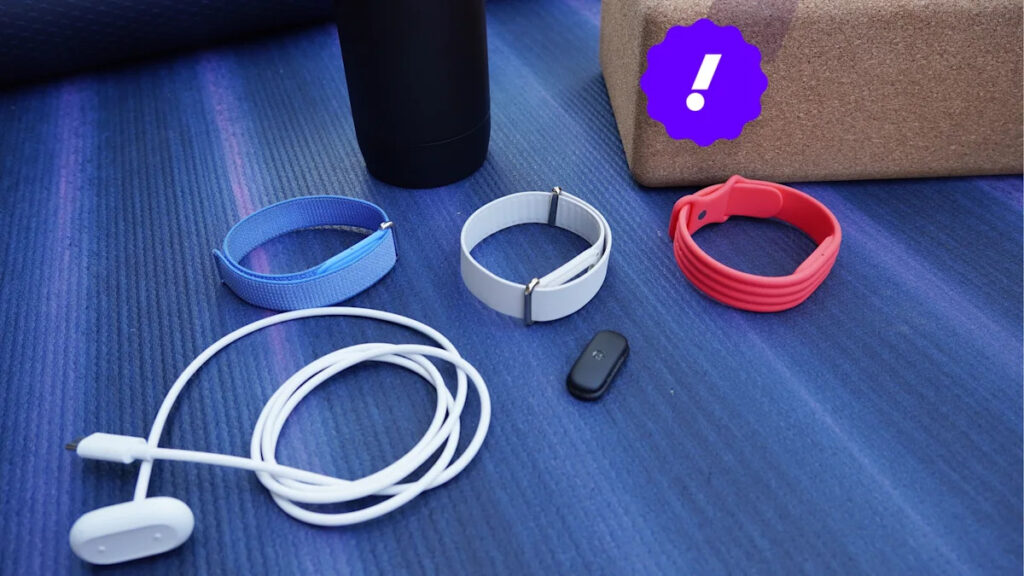
Table of Contents
The Pivot from Watches to Ecosystems
For years, the trajectory of wearables has been toward more screens, more notifications, and more complexity. With the release of the Fitbit Air, Google is betting on the opposite. After fully absorbing the Fitbit empire and sunsetting the legacy Fitbit app on May 19, Google has pivoted. The Fitbit Air isn’t just another tracker; it is the primary hardware vessel for the new Google Health ecosystem.
The device itself is a minimalist, screenless band designed to disappear on the wrist. While the market is already crowded with screenless options from the likes of Whoop and Oura, the Air distinguishes itself through sheer physicality. Measuring just 8.3mm thick and weighing approximately 12 grams with the band, it avoids the bulk of competitors like Polar or Amazfit, whose sensor pucks often exceed 10mm. This slim profile transforms the device from a gadget you have to remember to wear into a piece of clothing you forget is there.
Hardware Simplicity, Software Ambition
The Air supports three band options—the fabric-like Performance Loop, the silicone Active Loop, and the gold-trimmed Elevated Loop—each designed to ensure the sensor puck remains snug against the wrist bone for accurate readings. Because there is no display, the user experience is shifted entirely to the Google Health companion app.
The lack of a screen is a deliberate trade-off. You lose the ability to check a text, set a timer via voice command, or glance at the time. However, you gain a significant reprieve from the digital noise of wrist-based notifications and a battery life that consistently hits the seven-day mark. Charging is handled via a simple bracelet charger, and a subtle vibration motor warns the user when the battery hits 20%.
Under the hood, the Air employs a standard but reliable suite of sensors: optical sensors for heart rate and heart rate variability (HRV), infrared sensors for blood oxygen (SpO2), and a skin temperature monitor useful for fertility tracking and illness detection. While it lacks onboard GPS—requiring a tethered smartphone for route mapping—the data accuracy for steps and caloric burn remains competitive with higher-end smartwatches.
The AI Coach: The Real Product
The Fitbit Air is essentially a sensor array for the Google Health app, which is where the actual innovation lies. The app is structured around four pillars: Today, Fitness, Sleep, and Health. The centerpiece is the AI-powered Coach, a generative interface that attempts to turn raw biometric data into actionable intelligence.
The AI Coach moves beyond simple graphing. It can interpret PDF lab results, define technical metrics like VO2 max in plain English, and allow users to log meals simply by uploading a photo. During testing, the AI demonstrated an impressive ability to correlate sleep disturbances with external factors—such as identifying how a pet waking the user during deep sleep affects the following day’s grogginess.
However, this ambition comes with a price tag and a learning curve. After a three-month trial, the AI Coach requires a $10 monthly subscription. Furthermore, the AI is still in an iterative stage; it occasionally makes errors in interpretation, suggesting that while the vision is comprehensive, the execution is still being refined.
A New Strategy for Digital Wellness
By stripping away the screen, Google is acknowledging a growing trend in ‘quiet tech.’ The Fitbit Air doesn’t want to be another distraction; it wants to be a background utility that feeds a powerful, centralized health intelligence system. For users who find the constant pinging of an Apple Watch or Pixel Watch overwhelming, the Air offers a path back to mindful fitness without sacrificing the deep data analytics that modern health enthusiasts crave.


