Google Unveils ‘Googlebook’: A Radical Departure From ChromeOS Built Around Gemini AI
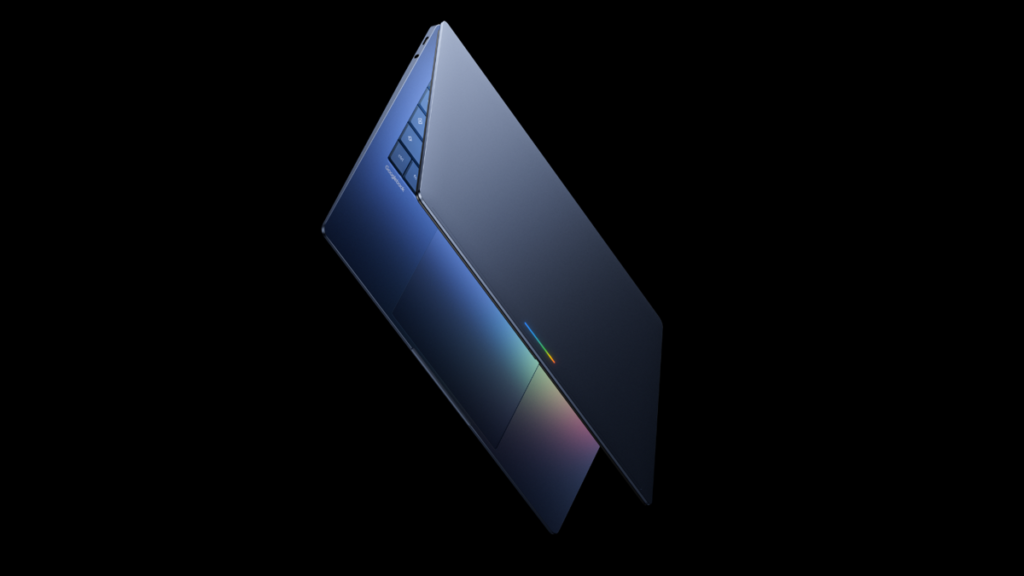
Table of Contents
The End of the Chromebook Era?
Google is attempting to redefine the laptop once again. During the Android Show: I/O Edition on Tuesday, the company unveiled the Googlebook, a new category of hardware designed not as a vehicle for a web browser, but as a dedicated vessel for Gemini Intelligence. If the original Chromebook was a bet on the cloud, the Googlebook is a bet on the LLM.
The move signals a strategic pivot in how Google views personal computing. For over a decade, ChromeOS served as a lightweight, browser-centric alternative to Windows and macOS. Now, Google is positioning the Googlebook as an “intelligence system” rather than a traditional operating system. According to Alex Kuscher, Google Senior Director, the hardware is being built from the ground up to ensure Gemini isn’t just an app running on the OS, but the core logic of the machine itself.
A New OS and the ‘Project Aluminum’ Mystery
Perhaps the most significant revelation is the hint that Googlebooks will not run ChromeOS. While Google stopped short of a formal name, Kuscher described the software as a “modern OS designed for Intelligence.” This almost certainly confirms the long-rumored Project Aluminum—an ambitious architectural merger of Android and ChromeOS intended to bring the flexibility of mobile apps and the power of a desktop environment into a single, unified kernel.
This shift addresses a long-standing friction point for Chromebook users: the inconsistent experience of running Android apps. By moving to this new intelligence-first OS, Google aims to provide native, seamless Android app integration while maintaining a professional laptop form factor.
The ‘Magic Pointer’ and Generative Workflows
The centerpiece of the Googlebook experience is the Magic Pointer. Unlike a traditional cursor that simply selects and clicks, the Magic Pointer uses Gemini’s multimodal capabilities to understand what is happening on the screen in real-time. By wiggling the cursor, users can trigger AI actions based on the context of their work.
In a practical scenario, pointing at a date within a cluttered email thread could instantly trigger a calendar invitation. More impressively, Google claims users can select two disparate images—such as a photo of a room and a product shot of a piece of furniture—to have Gemini instantly visualize the item within that space. This moves the AI from a sidebar chat interface directly into the primary user interaction layer.
Hardware Partnerships and Ecosystem Synergy
Google is not venturing into this hardware category alone. The first wave of Googlebooks, arriving in Fall 2026, will be produced by a consortium of industry giants including Acer, Asus, Dell, HP, and Lenovo. While specific technical specifications remain under wraps, Google’s marketing emphasizes a “Featherweight Design” with “Heavyweight Power,” suggesting a focus on high-end ultraportables. A distinctive “glowbar” lightstrip on the lid will serve as the visual signature for the brand.
Integration with the Android ecosystem is expected to be deeper than ever. A new “Quick Access” feature allows users to search and manipulate files on their paired Android phones directly from the Googlebook desktop. Furthermore, a casting feature will allow users to mirror and interact with mobile apps on the laptop screen without needing a local installation, blurring the line between the handheld and the workstation.
Given the premium materials and the specialized AI hardware required for on-device Gemini processing, the Googlebook will likely command a higher price point than the average Chromebook. With high-end Chromebooks already pushing the $1,000 mark, the Googlebook may position itself as a direct competitor to Microsoft’s Copilot+ PCs and Apple’s M-series MacBooks.