Digital Warfare and Diplomatic Gambles: US and Iran Make ‘Positive Progress’ in Doha Talks
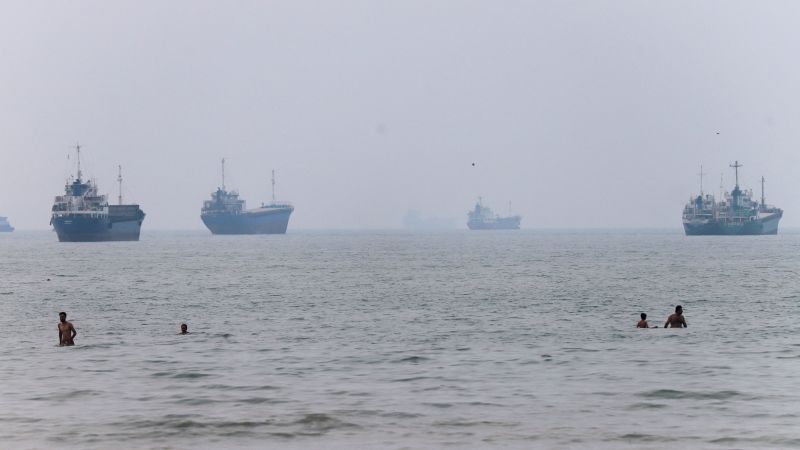
Table of Contents
Diplomatic Thaw in Doha
In a region still reeling from the kinetic shocks of the US-Israeli war with Iran, a tentative diplomatic bridge is being built in Qatar. US and Iranian negotiators, communicating indirectly through Qatari and Pakistani mediators, have reported “positive progress” regarding the Islamabad Memorandum of Understanding (MoU). Vice President JD Vance indicated that while the current discussions are technical and low-level, the high-stakes nuclear files are expected to enter the conversation shortly.
The timing of these meetings is delicate. Discussions are currently paused to accommodate the funeral processions for the late Ayatollah Ali Khamenei, who was killed in a February 28 airstrike. The ceremonies, scheduled from July 4 through July 9 across Iran and Iraq, represent a volatile period of national mourning that complicates the timeline for a formal breakthrough.
The Invisible Front: GPS Spoofing in Hormuz
While diplomats talk in Doha, a different kind of conflict continues in the Strait of Hormuz. For months, the waterway has been a laboratory for electronic warfare, specifically GPS spoofing. This technique involves broadcasting fake satellite signals that override legitimate ones, tricking a vessel’s navigation system into believing it is in a different location.
According to maritime data, the intensity of this navigational interference has eased in recent weeks, coinciding with the diplomatic push. However, the strategic utility of spoofing remains high for Tehran. By distorting the perceived position of ships, Iran can effectively “corral” international traffic into specific corridors, asserting dominance over the critical chokepoint without firing a shot.
Maritime Brinkmanship and the PGSA
The recent grounding of the Arista—a US-sanctioned vessel falsely flagged to Comoros—serves as a pointed example of this control. Iranian state media (IRIB) used the incident to warn commercial ships against deviating from routes approved by the newly established Persian Gulf Strait Authority (PGSA). While the IRIB attributed the grounding to shallow waters, the incident underscores the PGSA’s role as a regulatory tool for Iranian naval command.
The economic toll of this instability is evident in the numbers. MarineTraffic data shows only 35 commercial vessels transiting the strait in a recent 24-hour window, with 20 entering the Persian Gulf. This is a fraction of the pre-war average of 110 vessels per day. The subdued traffic reflects a lingering caution among global shipping firms, who must weigh the risk of electronic interference and potential seizure against the necessity of oil exports.
Operational Risks and Regional Volatility
The fragility of the current ceasefire was highlighted Wednesday by the crash of a US Navy MH-60S Sea Hawk helicopter in the Arabian Sea. While US Naval Forces Central Command stated there was no indication of hostile action, the incident occurred while the USS George H.W. Bush was operating in a high-tension zone. The search for a missing crew member adds a layer of operational stress to an already strained security environment.
This military tension persists despite the diplomatic optimism. Iranian Foreign Minister Abbas Araghchi has maintained a hard line, threatening a “powerful response” to any Israeli aggression, particularly following rhetoric from Israeli Defense Minister Israel Katz regarding the Iranian leadership. The intersection of digital interference, naval posturing, and indirect diplomacy suggests that while the path to a deal is opening, the technical and tactical risks remain acute.