Google enters the AI PC race with ‘Googlebook’, a new hardware category built for Gemini
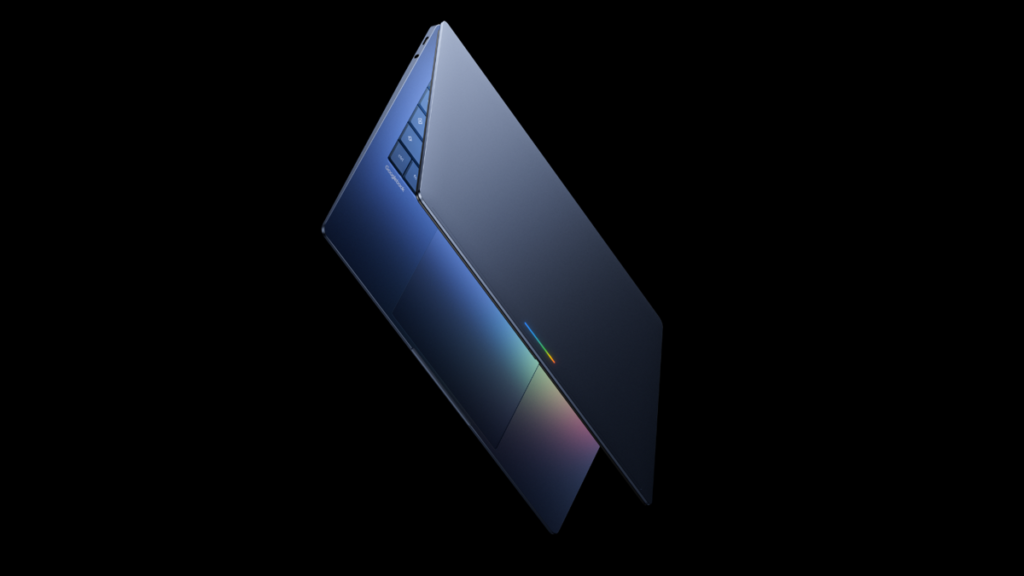
Table of Contents
A pivot from cloud-first to intelligence-first
Google is attempting to redefine the laptop experience. During the Android Show: I/O Edition on Tuesday, the company unveiled the Googlebook, a new hardware category designed specifically to serve as a physical vessel for Gemini, Google’s multimodal AI assistant. This isn’t just a refreshed line of Chromebooks; it is a strategic pivot away from the “cloud-first” philosophy that defined the last 15 years of ChromeOS toward what Google calls an “intelligence system.”
The move marks a significant escalation in the battle for the AI PC market, positioning Google directly against Microsoft’s Copilot+ PC initiative. While Chromebooks have increasingly integrated AI features over the last few years, the Googlebook represents a ground-up redesign of how a user interacts with a computer. According to Alex Kuscher, Google Senior Director, the shift is necessary because computing is moving beyond traditional operating systems toward a model where intelligence governs the user experience.
The ‘Project Aluminum’ mystery
The most intriguing technical detail of the announcement is the operating system. While Googlebooks will run Android apps, Google pointedly avoided saying the devices run ChromeOS. Kuscher described the software as a “modern OS designed for Intelligence,” a phrasing that strongly suggests the arrival of Project Aluminum. For months, industry leaks have pointed toward a unification of the Android and ChromeOS kernels—essentially creating a high-performance hybrid that brings the app ecosystem of a phone to the form factor of a laptop without the compromises often found in current Chromebooks.
This architectural shift would allow Google to deploy Gemini more deeply into the system level, enabling features that require tighter integration between the hardware and the AI model than a browser-based OS could provide.
Gemini-driven interaction: Magic Pointer and Dynamic Widgets
The centerpiece of the Googlebook experience is the “Magic Pointer.” Rather than a standard cursor, the Magic Pointer uses Gemini’s vision capabilities to understand the context of what is on the screen. By simply wiggling the cursor over an element, the AI can perform contextual actions. For example, hovering over a date in an email allows the user to instantly schedule a calendar event, or selecting two disparate images—such as a photo of a room and a piece of furniture—allows the AI to visualize the item within that space in real-time.
Furthering this customization is a “Create your Widget” tool. Instead of choosing from a pre-set list of system tools, users can prompt Gemini to build a custom widget tailored to a specific workflow, effectively allowing the OS UI to evolve based on user needs.
Ecosystem synergy and hardware partners
Google is leaning heavily into its Android dominance to make the Googlebook a compelling purchase. The laptops feature a “Quick Access” system that allows users to search and manage files on their Android phones directly from the laptop desktop. Additionally, a new casting feature allows users to mirror and interact with mobile apps on the laptop screen without needing a local installation of the software.
While detailed specifications remain under wraps, Google confirmed that the first wave of hardware will be produced by a consortium of long-time partners: Acer, Asus, Dell, HP, and Lenovo. Visually, the devices will be distinguished by a “glowbar” lightstrip on the lid, serving as a physical indicator for Gemini’s activity.
Positioned as “featherweight design with heavyweight power,” the Googlebook is clearly aimed at the premium ultraportable segment. Given that high-end Chromebooks already push the $1,000 ceiling, the Googlebook will likely enter the market at a significantly higher price point, targeting professionals and power users who have previously avoided ChromeOS in favor of Windows or macOS.


