The Subscription Trap: Why 2026 is the Year of the Great Digital Purge
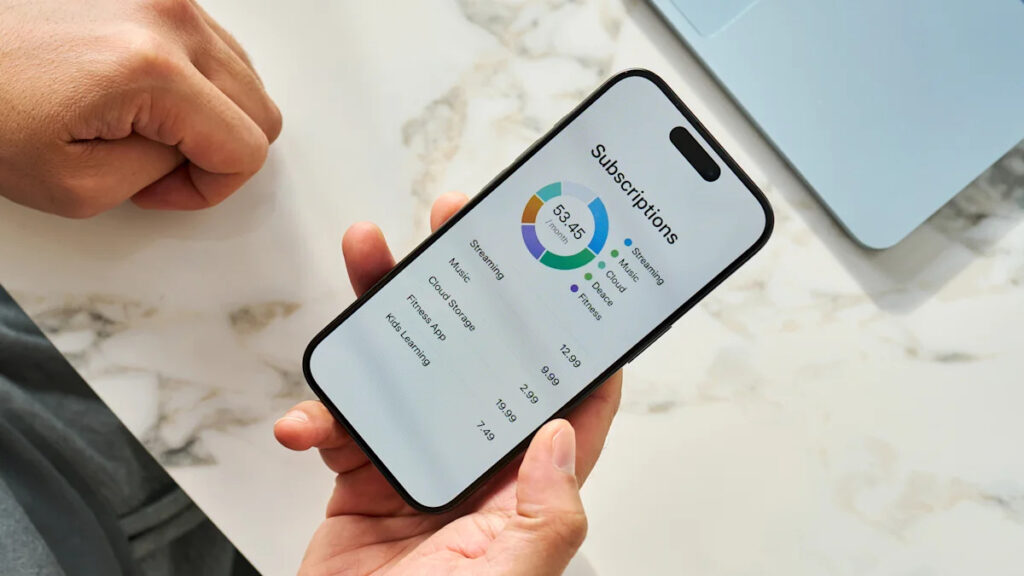
Table of Contents
The Era of ‘Micro-SaaS’ Exhaustion
There was a time when the shift from ownership to access felt like a liberation. Trading a stack of CDs for a Spotify subscription or a cable bundle for Netflix seemed like a mathematical win for the consumer. But by 2026, that convenience has morphed into a pervasive financial drag. We have entered the era of subscription fatigue, where nearly every piece of software, hardware, and service—from printer ink to AI productivity tools—demands a recurring monthly tribute.
If you audit your Apple ID subscriptions or scroll through a recent credit card statement, you’ll likely find a graveyard of ‘zombie’ charges: services you signed up for during a free trial three years ago and haven’t opened since. The psychological toll of these micro-transactions is mounting, leading many users to seek a ‘digital purge’ to reclaim both their budgets and their mental clarity.
The Streaming Paradox and the Return of Rotation
The original promise of ‘cutting the cord’ was cost-saving. Instead, consumers now face a fragmented landscape where content is split across Netflix, Disney+, Max, Peacock, and Paramount+. The irony is that many of these platforms have pivoted back to the very model they sought to replace, introducing ad-supported tiers that charge a monthly fee for the privilege of watching commercials.
Industry analysts are seeing a shift in user behavior toward ‘subscription rotation.’ Rather than maintaining a static library of five or six services, savvy users are subscribing for a single month to binge a specific series and then immediately canceling. This tactical approach treats streaming as a utility rather than a permanent utility bill, effectively bypassing the ‘idle tax’ paid when a service is active but unused for weeks at a time.
AI Bloat: When Productivity Tools Become Costs
The most recent addition to the subscription pile is the AI stack. In 2025 and 2026, the market became saturated with LLM subscriptions. Many users found themselves paying monthly premiums for ChatGPT Plus, Claude Pro, and Midjourney simultaneously, often discovering that the overlap in functionality was immense. For the average user, the promise of ‘revolutionized productivity’ often boils down to drafting slightly more formal emails or generating a few images for social media.
With the integration of sophisticated AI agents directly into operating systems—such as the latest iterations of Windows and macOS—the need for standalone $20/month subscriptions for basic AI assistance is diminishing. The value proposition is shifting from ‘having the tool’ to ‘having the specialized workflow,’ leaving generic AI subscriptions as prime candidates for the chopping block.
The Hardware Paywall: Ink and Fitness
Perhaps the most egregious trend is the ‘hardware-as-a-service’ model. Printer ink subscriptions are a textbook example of forced recurrence for a low-frequency activity. For the casual home user who prints a few shipping labels a month, the subscription model is an inefficiency. A shift back to monochrome laser printing—which offers higher reliability and negligible ink waste—remains the most logical exit strategy.
Similarly, the fitness app ecosystem has become an overcrowded ‘subscription smoothie.’ Users often pay for Strava, MyFitnessPal, and specialized sleep or meditation apps, even though modern wearables from Apple, Garmin, and Samsung now provide the vast majority of these metrics natively and for free. When the hardware already tracks the data, paying for a third-party app to visualize that same data in a slightly different color of graph is an unnecessary expense.
Recalibrating the Digital Budget
The transition toward digital minimalism isn’t about returning to a pre-internet existence, but about demanding a higher ROI from the services we keep. The goal for 2026 is a move toward intentionality: favoring lifetime licenses where available and treating recurring charges as temporary tools rather than permanent fixtures of a digital identity.


