Fragile Diplomacy and Naval Posturing: Iran Pauses Doha Talks Amid Khamenei Funeral Preparations
Iran halts indirect talks with the US in Doha as Tehran prepares for the funeral of former Supreme Leader Ayatollah Ali Khamenei. US CENTCOM deploys the USS Boxer ARG to the region.
A Strategic Pause in Doha
Diplomatic efforts between Washington and Tehran have entered a period of uneasy suspension. According to reports from CNN and Qatari officials, indirect, lower-level talks in Doha have been paused as Iran focuses on the multi-day funeral proceedings for the late Supreme Leader Ayatollah Ali Khamenei. While the diplomatic machinery has slowed, Qatar has indicated that the discussions preceding the break had made “positive progress,” suggesting a fragile window of opportunity for a final peace agreement that remains vulnerable to the volatility of the region.
The suspension comes at a moment of intense internal focus for the Islamic Republic. President Masoud Pezeshkian has urged citizens to attend the funeral ceremonies in large numbers, signaling a desire for a show of national unity and strength. This internal consolidation is mirrored by a stark external warning: Iranian military officials have explicitly cautioned the United States and Israel against utilizing the funeral procession as a window for opportunistic strikes.
Naval Escalation and the ‘Boxer’ Deployment
While diplomacy pauses, the military footprint in the Middle East is expanding. US Central Command (CENTCOM) has confirmed the operational presence of the Boxer Amphibious Ready Group (ARG) and the 11th Marine Expeditionary Unit (MEU) in the region. This deployment represents a significant surge in capability, bringing more than 2,000 Marines into the theater of operations.
The ARG is a multifaceted force composed of the amphibious assault ship USS Boxer, the amphibious transport dock USS Portland—which recently arrived in the region—and the dock landing ship USS Comstock. These assets join the USS Tripoli and its escorts, which have been stationed in the region since March. The presence of an MEU is particularly notable due to its versatility; these units are trained for everything from large-scale amphibious assaults and raids to non-combatant evacuations (NEOs), providing the US with a rapid-response capability that can transition from humanitarian aid to high-intensity combat in a matter of hours.
The Hormuz Flashpoint
Concurrent with the funeral preparations, Tehran has reignited tensions over the Strait of Hormuz. The Iranian government issued a fresh directive ordering all vessels to strictly adhere to Tehran-designated shipping routes. This move is a classic signal of leverage, reminding the international community of Iran’s ability to disrupt one of the world’s most critical energy chokepoints.
The timing of these warnings, coupled with the US Navy’s ongoing search for a missing crew member following an emergency helicopter landing in the Arabian Sea, underscores the precarious nature of the current security environment. The intersection of a leadership transition in Iran and an increased US naval presence creates a high-risk scenario where a tactical miscalculation could derail the “positive progress” reported in Doha.
Ritual and Power in Tehran
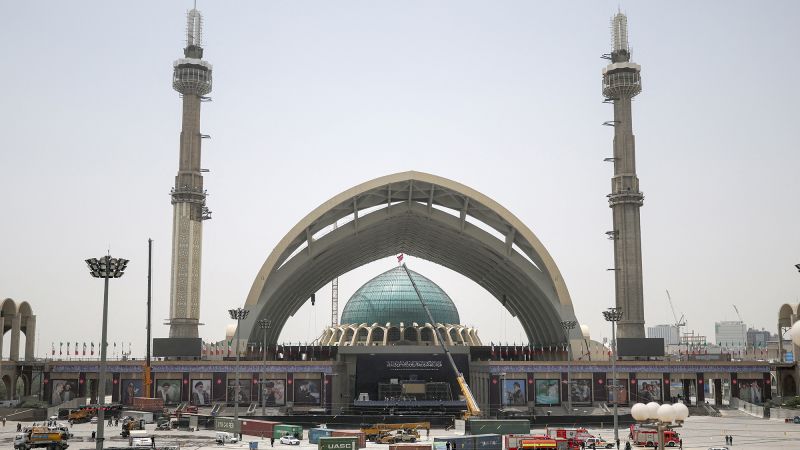
In Tehran, the atmosphere is one of mourning and managed tension. Images released by the state-affiliated Fars News Agency show the casket of Ayatollah Khamenei arriving at the Imam Khomeini Grand Mosalla. The coffin, draped in the Iranian flag and the sacred red flag of the shrine of Imam Hussein, has become the center of a multi-day ritual designed to project continuity of the regime.
The funeral ceremonies, scheduled to run from Saturday through next Thursday, follow the death of the Supreme Leader in an airstrike on February 28. As mourners gather in Revolution Square and the streets of the capital, the regime is balancing the need for public grief with the necessity of maintaining a rigid security posture against perceived foreign threats.
Related News
Related Articles
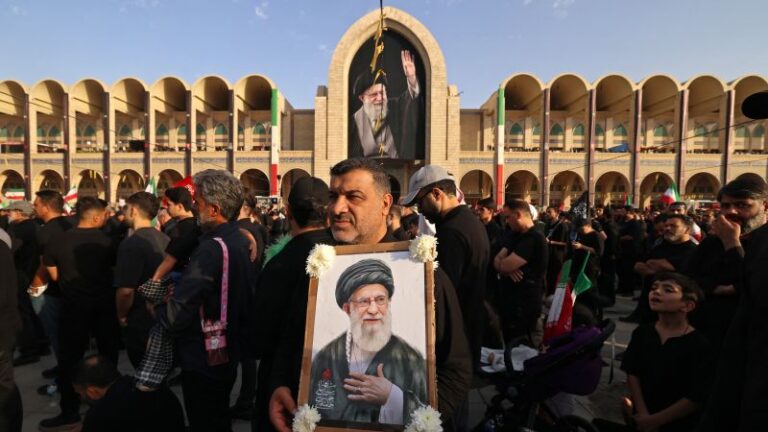
Cybersecurity Alert: Iran Heightens Defense Posture Amid Funeral Processions for Supreme Leader
As Iran begins funeral processions for Supreme Leader Ayatollah Ali Khamenei, the IRGC warns of security threats, triggering a shift in regional cybersecurity and geopolitical stability.
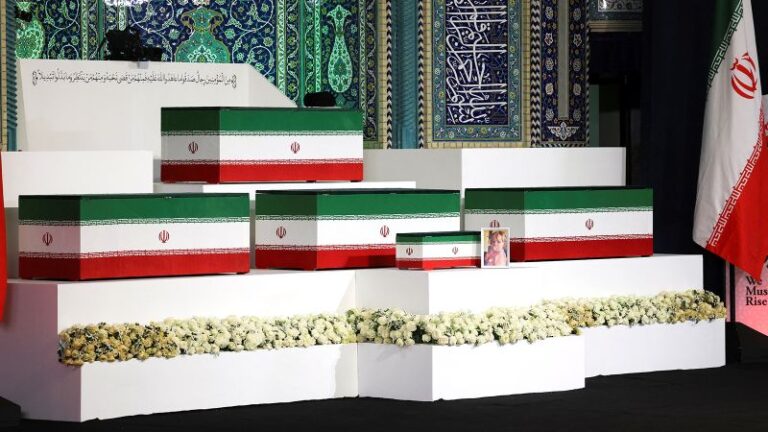
Tehran Braces for Mass Mobilization as Iran Prepares Funeral for Supreme Leader Khamenei
Iran prepares for multi-day funeral processions for Ayatollah Ali Khamenei amid heightened military tensions in the Strait of Hormuz and shifting US-Israel dynamics.
The ‘Sober Rave’: How India’s Gen Z is Rebranding Devotional Music as ‘Bhajan Clubbing’
Combining high-end concert production with centuries-old Hindu hymns, 'Bhajan clubbing' is emerging as a sober alternative for India's youth.
Comments (0)