Iran Halts Diplomacy for Funeral of Supreme Leader as Regional Tensions Mount
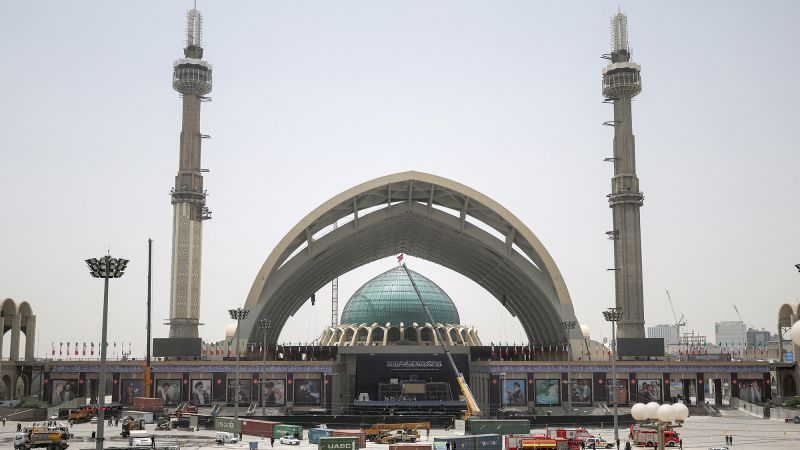
Table of Contents
Tehran has officially paused its diplomatic engagements in Doha, withdrawing negotiators from ongoing talks with the United States to prepare for the multi-day funeral rites of Supreme Leader Ayatollah Ali Khamenei. The suspension comes at a fragile moment for regional stability, occurring just as Qatari mediators indicated that discussions between the two adversaries had begun to show “positive progress.”
A Diplomatic Vacuum in Doha
The sudden exit of the Iranian delegation from Qatar underscores the central role the Supreme Leader played not only as a spiritual head but as the ultimate arbiter of Iran’s foreign policy. For weeks, Doha has served as a critical neutral ground, facilitating indirect communication between Washington and Tehran to stave off further escalation in the Middle East. While Qatar’s government maintained on Wednesday that the trajectory of these talks was promising, the domestic necessity of mourning the nation’s highest authority has effectively frozen the diplomatic clock.
The timing of this pause creates a strategic window of uncertainty. With the Iranian negotiating team absent, the mechanisms for crisis management—often relied upon to prevent miscalculations between US naval assets and Iranian forces—are operating on a skeleton crew or through diminished channels.
Security Posturing and Military Warnings
President Masoud Pezeshkian has urged the Iranian populace to gather in massive numbers to pay their respects to the late leader. However, the atmosphere surrounding these public displays of grief is heavily militarized. A high-ranking army general issued a stern warning to the US and Israel, cautioning against any opportunistic military strikes or provocations during the funeral processions.
This warning is not merely rhetorical. The Iranian military is currently on high alert, viewing the period of leadership transition as a moment of extreme vulnerability that could be exploited by foreign intelligence or military operations. The rhetoric suggests that any perceived aggression during this national mourning period would be met with a disproportionate response.
Maritime Friction in the Strait of Hormuz
Parallel to the domestic mourning, Tehran has intensified its grip on the Strait of Hormuz. On Thursday, Iran issued a fresh directive requiring all vessels to adhere strictly to Tehran-designated shipping lanes. The Strait, a narrow chokepoint through which a significant portion of the world’s oil passes, has become a recurring flashpoint for “ship-snatching” and naval harassment.
By enforcing these routes, Iran is signaling its continued capability to disrupt global energy markets if the security environment worsens. This move serves as a reminder that while the diplomats have left the table in Doha, the operational capabilities of the Islamic Revolutionary Guard Corps (IRGC) remain fully active.
US Naval Operations Amidst Chaos
The volatility of the region was further highlighted by a recent incident in the Arabian Sea. The US Navy has launched a search-and-rescue operation for a missing crew member following an emergency helicopter landing. While the incident appears to be operational rather than combat-related, it emphasizes the precarious nature of US deployments in a region where diplomatic safeguards have temporarily vanished.
As Iran prepares for the funeral of Ayatollah Khamenei, the international community is left to wonder whether the “positive progress” noted by Qatar can survive the vacuum left by the Supreme Leader and the inevitable internal power struggles that follow such a transition.