Fox’s $22 Billion Roku Acquisition: A Strategic Power Grab for Living Room Data
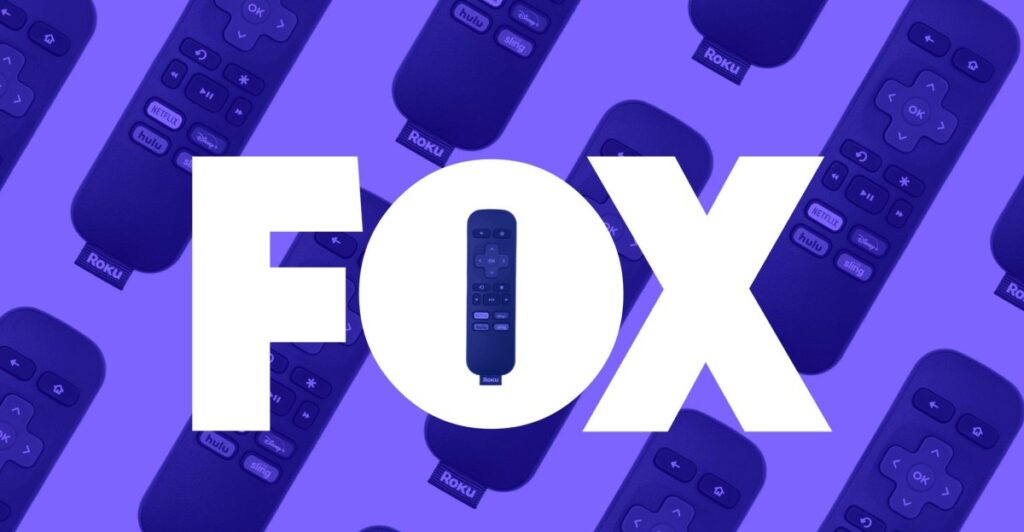
Table of Contents
The New Gatekeeper of the Living Room
In a move that fundamentally alters the power dynamics of the streaming era, Fox has announced a definitive agreement to acquire Roku for $22 billion. While the average viewer might only see a familiar purple interface on their television, the structural implications of this deal are vast. By absorbing the streaming ‘middleman,’ Fox is no longer just a content creator fighting for a slot on a dashboard; it now owns the dashboard itself.
This acquisition gives Fox direct access to the hardware and software powering more than 100 million homes worldwide. In the current economy of attention, the entity that controls the operating system (OS) of the television holds the ultimate leverage over discovery, advertising, and user data.
- The Core Value: This is not just a content play. It is a distribution and data play.
- The Scale: 100 million+ active accounts globally.
- The Price Tag: $22 billion, reflecting a premium on Roku’s ability to aggregate user behavior across competing apps.
Deciphering the Strategic Logic: Content meets Conduit
For years, the ‘streaming wars’ have been fought by content libraries—Netflix’s originals versus Disney’s franchises. However, a secondary, more quiet war has been waged over the user interface (UI). When you turn on a Roku TV, the platform decides which app is highlighted in the carousel and which ad occupies the primary marquee. By acquiring Roku, Fox moves from being a tenant to being the landlord.
The Data Goldmine
The most valuable asset in this transaction isn’t the Roku streaming sticks; it is the first-party data. Roku sees everything: when you pause a show, which apps you abandon after five minutes, and how you respond to different ad formats. For Fox, this allows for a level of precision in ad-targeting and content commissioning that was previously impossible. They can now correlate what users watch on Tubi with their overall behavior across the entire Roku ecosystem.
FAST Service Synergy: Tubi and The Roku Channel
The acquisition brings two of the most successful Free Ad-supported Streaming Television (FAST) services under one roof. Tubi, owned by Fox, has long been a leader in the lean-back viewing experience. The Roku Channel serves a similar purpose but is natively integrated into the hardware.
Lachlan Murdoch, CEO of Fox, noted during an investor call that only one-third of Tubi viewers overlap with Roku Channel viewers. From a business perspective, this is an ideal scenario. Instead of competing for the same slice of the audience, Fox can now ‘cross-pollinate’ these audiences, effectively tripling the reach of their combined free streaming offering without needing to acquire new users from scratch.
The Political and Regulatory Dimension
Beyond the balance sheets, the acquisition of Roku by Fox carries significant ideological weight. The current media landscape has seen a trend of consolidation among assets aligned with specific political leanings. With the Ellison family already exerting influence over Warner Bros. Discovery and Paramount, the addition of Roku to the Fox portfolio further concentrates the distribution of information in the U.S. market.
“Perhaps people will get the message that this is not just a media deal, this is the further political alignment of US media assets into MAGA-friendly hands.” — Jeff Chester, Executive Director of the Center for Digital Democracy.
From a regulatory standpoint, the deal is expected to face minimal resistance in the United States. Unlike the massive telecom mergers of the past, this acquisition doesn’t create a monopoly on the actual internet pipes, but rather on a specific layer of software and hardware. While the European Union may scrutinize the deal, Roku’s footprint in Europe is significantly smaller than in North America, making a global blockade unlikely.
The Economics of the Roku Ecosystem
To understand why Fox paid $22 billion, one must look at how Roku actually makes money. It is a common misconception that Roku is a hardware company. In reality, the hardware is a loss-leader designed to get the OS into the home.
| Revenue Stream | Description | Recent Quarterly Performance (Approx) | |
|---|---|---|---|
| Advertising | Ads on the home screen and within The Roku Channel | $613 Million | |
| Platform/Subscriptions | Commissions from Netflix, Hulu, Disney+ sign-ups | $519 Million |
By integrating Fox’s premium content—including Fox Sports and local news—directly into this high-revenue engine, Fox can bypass the ‘app store tax’ and drive users directly toward their own monetization funnels.
What This Means for the Consumer
For the end-user, the immediate experience will likely remain unchanged. The purple menus and the remote layout aren’t going anywhere. However, the algorithmic curation will shift. Expect to see more Fox-owned properties promoted in the ‘Suggested for You’ sections. Over time, the boundaries between the OS and the content provider will blur, potentially leading to more integrated bundles or ‘Fox-exclusive’ hardware features.
Privacy Implications
The consolidation of viewing data under a single corporate entity raises legitimate privacy concerns. When a hardware provider (Roku) and a content provider (Fox) become the same company, the ‘blind spots’ in user tracking disappear. The ability to track a user from the moment they wake up and turn on the TV to the moment they click a targeted ad on a FAST channel creates a closed-loop system of surveillance capitalism.
Frequently Asked Questions
Will my Roku device still work with Netflix and Disney+?
Yes. Roku’s business model relies heavily on the commissions earned from these third-party subscriptions. It would be counterproductive for Fox to remove the apps that drive a significant portion of Roku’s revenue.
Does this mean Tubi will replace The Roku Channel?
Lachlan Murdoch has explicitly stated that the intention is to keep the services separate. Because they attract different audiences, maintaining both brands allows Fox to capture a wider demographic of viewers.
Will there be a price increase for Roku hardware?
Unlikely. Roku uses affordable hardware to expand its user base, which in turn increases its advertising inventory. Raising prices would slow the growth of the very thing Fox is paying for: the audience.
When will the deal be finalized?
The deal is expected to close in 2027, pending standard regulatory approvals and closing conditions.
How does this affect my privacy?
While the privacy policy may not change overnight, the integration of data between Fox’s content services and Roku’s hardware allows for more detailed profiling of your viewing habits for advertising purposes.