Ferrari’s Electric Gamble: Why the Luce is Designed to Be Hated by Everyone Except the Right People
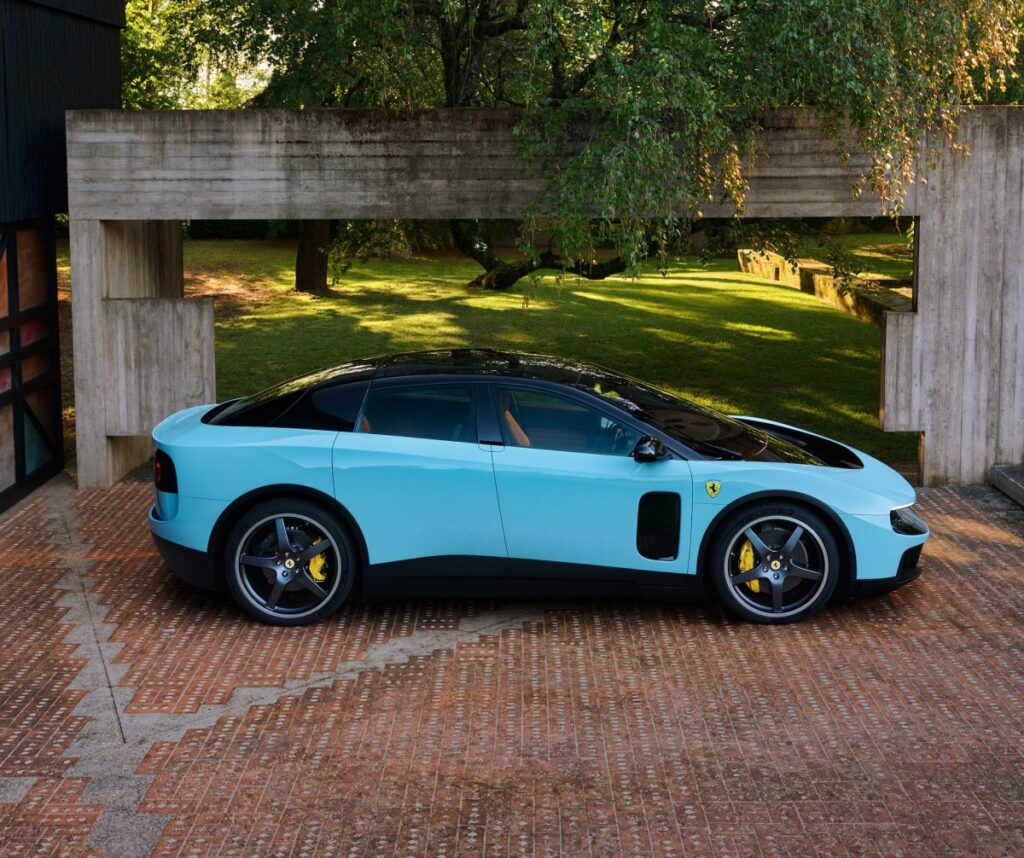
Table of Contents
The Paradox of Exclusivity
The internet has a very specific way of reacting to luxury cars they can’t afford: visceral, immediate, and overwhelmingly negative. The Ferrari Luce, the marque’s first foray into the all-electric five-seater market, has become the latest lightning rod for this phenomenon. Designed by Apple veteran Jony Ive and carrying a price tag approaching $650,000, the Luce has been compared by critics to everything from a Nissan Leaf to a generic futuristic pod. Even industry insiders, including Lucid’s Derek Jenkins, have weighed in with skepticism.
However, for a brand like Ferrari, universal acclaim is not the objective. In the realm of ultra-luxury automotive design, polarity is often a feature, not a bug. The Luce isn’t fighting for the approval of the general public; it is fighting for a very specific slot in the garages of the world’s wealthiest collectors.
The ‘Purosangue’ Precedent
To understand why Ferrari is likely unfazed by the current social media firestorm, one only needs to look back at the Purosangue. When Ferrari’s first SUV-adjacent vehicle launched, it was met with similar disdain from purists who felt the brand was betraying its sporting heritage. Yet, the Purosangue evolved into a massive commercial success, proving that the actual buying demographic possesses a different set of priorities than the vocal online community.
The numbers back this up. Ferrari’s business model relies on an incredibly tight loop of repeat customers. Last year, more than 80% of the 14,000 people who purchased a Ferrari already owned at least one vehicle from the brand. This means the Luce is primarily an upsell to an existing ecosystem of loyalists. If Ferrari CEO Benedetto Vigna claims that orders are already flooding in from both legacy owners and new clients, the aesthetic complaints of the internet become a rounding error in the company’s quarterly earnings.
The Strategic Gatekeeping of Demand
The real tension surrounding the Luce isn’t whether it’s “ugly,” but rather who will actually be allowed to buy it. Ferrari famously manages its demand to ensure that supply never meets the full appetite of the market. By maintaining a scarcity mindset, the brand ensures that the prestige of ownership remains intact regardless of the vehicle’s visual reception.
If demand for the Luce continues to outstrip production, Ferrari will once again employ its selective allocation process. In this environment, the “hate” surrounding the car may actually enhance its allure for the target buyer—creating a sense of avant-garde ownership that separates the truly elite from the conventional.
A Broader Shift in Luxury Mobility
The Luce represents more than just a new model; it is a signal of how legacy luxury brands are navigating the transition to electrification. While companies like Tesla focused on mass-market disruption and Lucid on technical specifications, Ferrari is leaning into the identity of the objet d’art. By partnering with Jony Ive, Ferrari isn’t selling a battery on wheels; they are selling a piece of industrial design.
As other luxury OEMs struggle to find an identity in the EV era—often defaulting to a generic “minimalist” look—Ferrari is attempting to carve out a niche that prioritizes exclusivity and provocative design over mass appeal. Whether the Luce eventually settles into the canon of Ferrari classics or remains a polarizing experiment remains to be seen, but from a business perspective, the controversy is merely noise.


