Xiaomi 17T Pro: A High-Spec Mid-Ranger That Bridges the Gap to Flagship Luxury
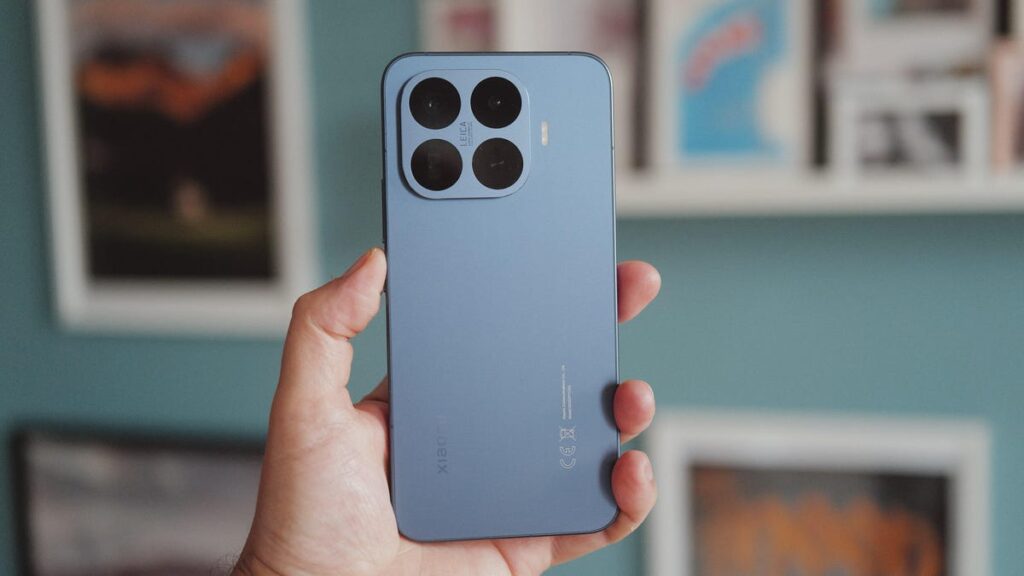
Table of Contents
The Mid-Range Gamble
For most consumers, the gap between ‘affordable’ and ‘premium’ has become a chasm. On one end, you have the ultra-luxury tier—embodied by devices like the Leitzphone, whose £1,700 price tag targets a narrow slice of high-net-worth enthusiasts. On the other, you have budget handsets that often compromise on build quality to keep costs down. Xiaomi’s 17T Pro is an attempt to occupy the critical middle ground: a device that feels like a flagship but doesn’t require a corporate executive’s salary to acquire.
Priced at 899 euros (approximately £779 or $1,045), the 17T Pro avoids the US market but positions itself aggressively in Europe and Asia. While it lacks the sheer imaging prestige of Xiaomi’s Ultra line, the hardware selection suggests a device designed for the ‘power user’ who refuses to pay the ‘luxury tax.’
Build Quality and Aesthetic Identity
The first thing that strikes you about the 17T Pro is the chassis. Eschewing the plastic frames often found in this price bracket, Xiaomi has opted for a metal construction that provides a surprising amount of heft and rigidity. The deep blue finish is a welcome departure from the sterile blacks and silvers that dominate the industry, offering a sophisticated look that manages to be distinct without appearing gimmicky.
The device is anchored by a 6.83-inch display that is sufficiently bright to handle direct sunlight and vivid enough for high-fidelity gaming. With an IP68 rating, it provides the expected peace of mind against dust and water immersion, ensuring that the ‘mid-range’ label doesn’t translate to ‘fragile.’
Leica’s Influence on the Mid-Tier
Xiaomi’s partnership with Leica has traditionally been reserved for its most expensive handsets, but the 17T Pro brings a significant portion of that DNA to the T-series. The rear camera array consists of a 50-megapixel main sensor, a 50-megapixel telephoto lens with 5x optical zoom, and a 12-megapixel ultrawide.
The standout feature here is the inclusion of a Leica Summilux lens element on the primary camera. In theory, this allows for better light gathering and sharper edge-to-edge detail than standard plastic optics. While it won’t outperform the specialized sensors of the Leitzphone, it puts the 17T Pro in a direct skirmish with the Pixel 10A and Nothing Phone 4A Pro—devices that have historically won on software processing rather than raw glass quality.
Performance and Thermal Efficiency
Under the hood, the 17T Pro runs on the MediaTek Dimensity 9500. In early benchmark testing, the chipset performs admirably, landing in the same neighborhood as the Galaxy S25 Ultra and iPhone 17. While it doesn’t quite reach the peak synthetic scores of the S26 Ultra or the Honor Magic 8 Pro, the real-world impact is negligible.
During initial testing with titles like PUBG at maximum settings, the gameplay remained fluid without the aggressive thermal throttling that often plagues thinner mid-rangers. This efficiency is supported by a massive 7,000-mAh silicon carbon battery. The move to silicon carbon chemistry allows for higher energy density in a smaller footprint, theoretically extending the device’s life well beyond a single day of heavy use.
When the battery does run low, the 100W wired charging capability—provided you have the compatible brick—can bring the device from near-empty to full in a fraction of the time it takes for a standard iPhone or Pixel to charge.
The Competitive Landscape
The 17T Pro is entering a crowded market where the definition of ‘value’ is shifting. It doesn’t aim to be the cheapest phone on the block, nor the most powerful. Instead, it aims to be the most balanced. By combining Leica optics, a massive battery, and a metal frame, Xiaomi is betting that users will prioritize tactile quality and endurance over the marginal gains of a top-tier flagship.


