EU Sanctions IRGC Navy as Iran weaponizes Strait of Hormuz maritime traffic
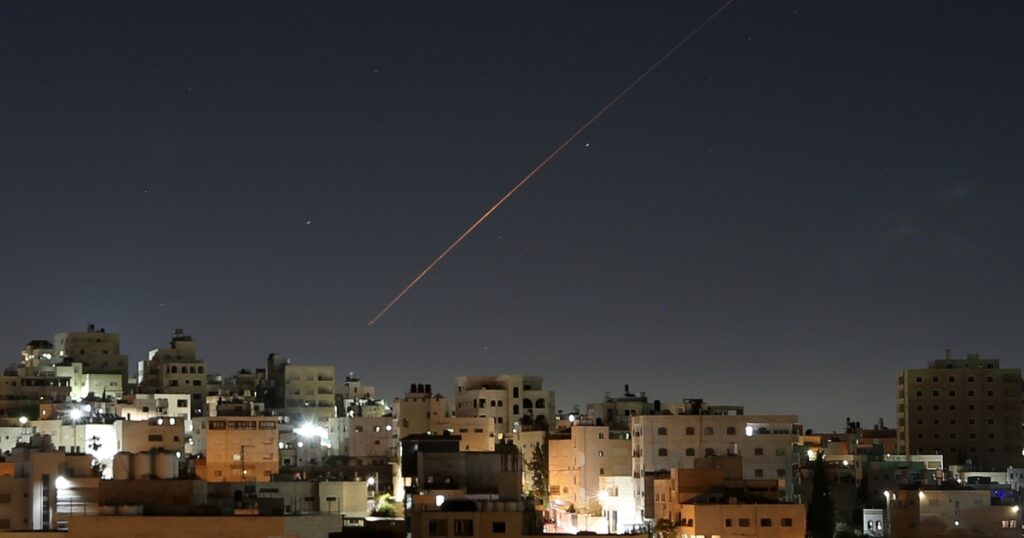
Table of Contents
Brussels Targets Iranian Naval Command Amid Maritime Chaos
The European Union has moved to penalize Iran’s naval operations, imposing targeted sanctions on the Islamic Revolutionary Guard Corps (IRGC) Navy following a series of restrictive measures that have effectively throttled maritime traffic through the Strait of Hormuz. The move comes as Tehran has transitioned from sporadic harassment of shipping lanes to a more systemic “tollbooth” approach, demanding payments for transit through one of the world’s most critical energy chokepoints.
The Council of the EU confirmed that the 27 member states have approved asset freezes and travel bans for the IRGCN’s Hormozgan Provincial Command. The sanctions specifically target Mohammad Akbarzadeh, the navy’s deputy commander for political affairs, and Hamid Hosseini, a representative of Iran’s Oil, Gas and Petrochemicals Exporters Union. Under the new regulations, providing any funds or economic resources to these entities is strictly prohibited.
Kaja Kallas, the EU’s top diplomat, emphasized the urgency of the situation during a news conference, stating that Tehran has “actively, effectively closed the strait.” Kallas specifically highlighted the role of unmanned aerial vehicles (UAVs), noting that Iranian drones continue to pose a direct threat to commercial maritime traffic. “Ministers were clear today that Iran’s actions are unacceptable,” Kallas added.
The High Cost of Geopolitical Leverage
The escalation in the Strait of Hormuz is not an isolated event but a reactionary measure. Iran tightened its grip on the waterway following a wave of Israeli-American strikes executed in late February. By imposing a toll system on passing vessels, Tehran is attempting to weaponize its geographic advantage to exert economic pressure on global markets and the West.
This naval aggression coincides with a volatile exchange of kinetic strikes. The Iranian Red Crescent Society recently acknowledged that Israel targeted 12 separate locations across Iran. While the Society’s spokesperson, Mojtaba Khaledi, stated that no casualties were reported and that emergency operations centers remain on standby, the precision of the strikes indicates a high level of intelligence and technical coordination by the IDF.
The conflict has spilled over into neighboring territories, with Iraq and Syria temporarily closing their airspace to prevent collateral damage as Iranian missiles traversed their skies toward Israel. The IDF confirmed that approximately 30 missiles were launched by Iran in a single morning wave, the majority of which were intercepted by air defense systems.
A Fractured Diplomatic Front
The current crisis highlights a growing “asymmetry” in the strategic relationship between the United States and Israel. Despite public calls from President Donald Trump for both sides to “stop shooting,” Israeli Prime Minister Benjamin Netanyahu has continued a policy of active retaliation. According to Sanam Vakil, director of the Middle East and North Africa program at Chatham House, Netanyahu’s domestic political survival depends on his image as a decisive security leader rather than a “proxy of the United States.”
This internal political pressure is colliding with a desperate push for diplomacy from regional mediators. Pakistani Prime Minister Shehbaz Sharif warned that the exchange of missiles is a “stark reminder” of the dangers of tenuous ceasefires, urging all parties to return to the negotiating table.
For now, the situation remains an unstable stalemate. Iranian President Masoud Pezeshkian has maintained a dual-track policy, stating on X that his administration has “abandoned neither the battlefield nor the negotiating table.” However, with the EU now targeting the financial and logistical infrastructure of the IRGC Navy, the economic cost of maintaining the Hormuz blockade may eventually outweigh the political gains for Tehran.