Drone Warfare Escalates as European Allies Back Zelenskyy’s Push for Direct Peace Talks
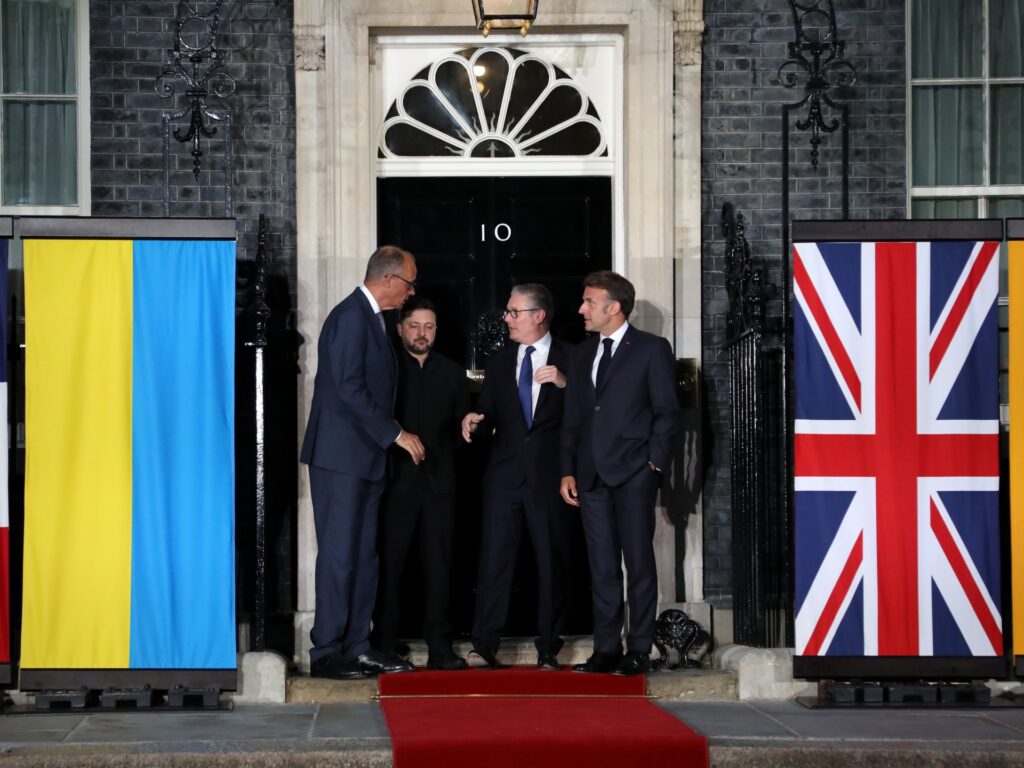
Table of Contents
A Deadly Cycle of Precision Strikes
The conflict between Russia and Ukraine has entered a volatile phase of retaliatory air campaigns, characterized by an increasing reliance on long-range drone technology to target critical infrastructure. On Monday, the Zaporizhia region saw a surge in casualties as Russian forces deployed a combination of drones and traditional shelling, leaving five dead and 14 injured. According to regional governor Ivan Fedorov, the strikes were not indiscriminate; they specifically targeted residential areas and essential infrastructure, signaling a continued strategy of attrition designed to degrade Ukrainian morale and logistical capacity.
Simultaneously, the Odesa region faced systemic power failures after Russian strikes hit energy grids, leaving over 1,000 customers in the dark. This attack follows a high-risk escalation over the weekend, where Russian forces targeted a nuclear fuel storage facility near the Chornobyl power plant—a move that has heightened international anxiety regarding the stability of nuclear sites in active war zones.
Ukraine’s Shift Toward Asymmetric Counter-Attacks
Ukraine has responded with a series of precision drone operations aimed at Russian logistics and energy hubs. In Russia-annexed Crimea, a Ukrainian drone successfully intercepted a train, resulting in the death of an assistant driver and injuring the primary operator. The strike highlights Ukraine’s evolving capability to track and target moving Russian military assets deep within occupied territories.
The operational reach of these drones extended to the Volgograd region, where Russian air defenses intercepted an overnight swarm. Despite the interceptions, falling debris ignited a fire at a pumping station in the Zhirnovsky district. Perhaps more significant was the strike on the Black Sea port of Novorossiysk. A drone attack on a loading complex triggered a massive blaze that required 130 firefighters to contain. By targeting the port, Ukraine is directly attacking Russia’s maritime export capabilities, shifting the economic burden of the war back onto the Kremlin.
The Diplomatic Pivot in London
These kinetic exchanges occurred against a backdrop of high-stakes diplomacy. Ukrainian President Volodymyr Zelenskyy recently met with the leaders of the “E3″—the United Kingdom, France, and Germany—in London to coordinate a strategic approach to the conflict. The meeting culminated in a joint statement from British Prime Minister Keir Starmer, German Chancellor Friedrich Merz, and French President Emmanuel Macron, who formally commended Zelenskyy’s call for a direct ceasefire and face-to-face dialogue with Vladimir Putin.
Zelenskyy’s approach, outlined in an open letter to Putin last Thursday, proposes a comprehensive ceasefire and direct negotiations. While this represents a potential diplomatic opening, the Russian response has been dismissive. President Putin has explicitly rejected the offer, stating there is currently no utility in such a meeting. This gap between Zelenskyy’s willingness to negotiate and Putin’s intransigence suggests that Russia believes its current military pressure on Ukrainian energy infrastructure provides more leverage than a diplomatic settlement.
The Strategic Role of European Influence
For Zelenskyy, the backing of the E3 is more than a symbolic gesture; it is an attempt to ensure that Europe remains a primary architect of any eventual peace deal, rather than allowing the terms to be dictated solely by the United States or Russia. In a statement on X, Zelenskyy emphasized that a strong European voice in negotiations has always been a priority for Kyiv.
As the war of attrition continues, the technical evolution of the conflict remains the primary driver. The ability to strike deep into enemy territory with low-cost, high-precision drones has fundamentally altered the geography of the war, making every energy hub and transport node a potential front line.