Electronic Warfare and Intercepts: The Technical Reality of the Iran-Israel Missile Exchange
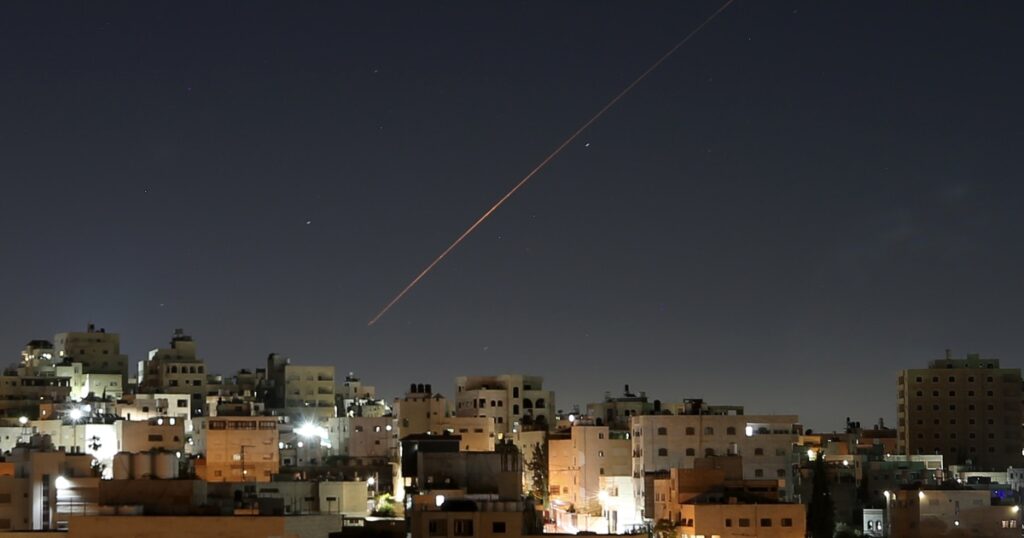
Table of Contents
The fragile ceasefire between Washington and Tehran has been shattered by a coordinated exchange of long-range strikes, marking a significant escalation in the kinetic conflict between Israel and Iran. While the political fallout is immediate, the technical execution of these attacks highlights a sophisticated game of aerospace cat-and-mouse, utilizing advanced ballistic trajectories and multi-layered interception grids.
Precision Targeting of Strategic Air Assets
The Islamic Revolutionary Guard Corps (IRGC) explicitly targeted the Nevatim Airbase in the Negev desert and the Tel Nof Airbase in the Central District. These are not arbitrary locations; they are the primary hubs for Israel’s most advanced aerial platforms, including F-35 stealth fighters. By attempting to degrade these specific facilities, the IRGC is testing the resilience of Israel’s critical infrastructure under a saturation attack model.
According to statements from the IRGC Aerospace Force, the operation was designed to demonstrate dominance over the regional airspace. However, the effectiveness of these strikes depends heavily on the ability of Iranian missiles to penetrate the ‘Iron Dome’ and ‘Arrow’ interceptor systems—technologies designed specifically to counter high-velocity ballistic threats.
The IDF’s Retaliatory Logic: Energy and Infrastructure
Israel’s response focused on the economic and industrial heart of Iran’s southwestern coast. The IDF confirmed strikes on a petrochemical facility in Mahshahr, Khuzestan Province. This choice of target suggests a strategy of ‘asymmetric deterrence,’ where the IDF avoids urban centers to minimize civilian casualties while targeting the high-value energy infrastructure that fuels the Iranian economy.
Ambassador Yechiel Leiter noted that the IDF specifically targeted surface-to-surface missile launch sites. By neutralizing the platforms used to fire the initial 11 ballistic missiles, Israel aims to degrade Iran’s immediate launch capacity, effectively attempting to ‘blind’ the IRGC’s offensive reach before a second wave can be organized.
The Houthi Variable and Maritime Disruptions
The conflict has expanded beyond a bilateral exchange with the involvement of Yemen’s Houthi rebels. The Houthis claimed a barrage of missiles targeting the Jaffa area, but more concerning to global markets is their announcement of a “complete and total ban” on Israeli maritime navigation in the Red Sea.
From a technical standpoint, the Houthi involvement introduces a multi-axis threat. When missiles are launched from both the east (Iran) and the south (Yemen), it forces Israeli defense systems to split their radar coverage and interceptor stockpiles, increasing the probability of a ‘leak’—a missile that evades detection or fails to be intercepted.
The Role of Early Warning Systems
The speed of this exchange underscores the criticality of real-time alerting technology. The IDF utilized widespread cellphone alerts and Telegram notifications to move populations to protected spaces. These systems rely on a network of radar and satellite intelligence to calculate the impact point of an incoming missile in seconds, providing the only viable window for civilian survival in the event of a breakthrough.
The U.S. Embassy in Jerusalem reinforced this posture, instructing government personnel to shelter in place. This highlights the integration of diplomatic security with local military intelligence, ensuring that non-combatants are removed from high-risk zones before the interceptors engage.
As the IRGC maintains a state of “full readiness” across all fronts, the focus now shifts to whether these strikes were intended as a one-off message or a stress test for a more comprehensive electronic and kinetic campaign in the region.