Dell Aggressively Targets Students with Sub-$600 XPS 13 Pricing
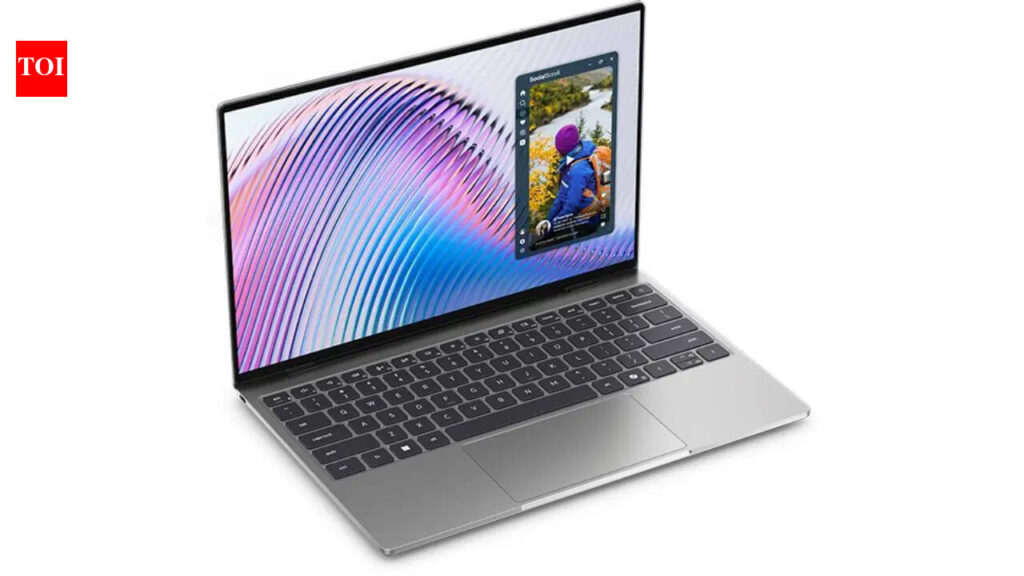
Table of Contents
A Strategic Pivot in the Premium Segment
Dell is making a calculated move to reclaim the student market by introducing a highly aggressive pricing tier for the XPS 13. While the XPS line has long been positioned as a high-end, professional-grade alternative to the MacBook Air, the new student-centric pricing—starting as low as $599—suggests a shift in how Dell views the entry point for its premium hardware.
This pricing strategy isn’t just about a seasonal sale; it’s a direct attempt to lower the barrier to entry for the XPS ecosystem. Traditionally, the XPS 13 has been priced comfortably above the $1,000 mark, catering to executives and creative professionals. By slashing the cost for verified students, Dell is attempting to capture a demographic that is increasingly loyal to Apple’s silicon-driven ecosystem.
Breaking the ‘Premium’ Price Floor
The $599 price point represents a significant departure from the standard retail trajectory. For most users, this discount is tied to specific educational verification, likely through platforms like UNiDAYS or direct institutional partnerships. It places the XPS 13 in direct competition not only with the MacBook Air but also with mid-range Inspiron and HP Pavilion models—hardware that usually lacks the CNC-machined aluminum chassis and high-color accuracy displays found in the XPS series.
Technically, the entry-level student model likely utilizes a more modest configuration—potentially featuring the base Intel Core processor and a limited RAM setup—but the value proposition remains high. The XPS 13’s primary appeal has always been its footprint; the near-borderless InfinityEdge display allows it to remain one of the most portable 13-inch laptops on the market, a critical factor for students commuting between lecture halls and libraries.
The Ecosystem War: Windows vs. macOS
This move comes at a critical time for the Windows laptop market. Since the transition to M-series chips, Apple has held a commanding lead in battery life and thermal efficiency for thin-and-light laptops. Dell’s decision to drop the price of the XPS 13 suggests that software parity—specifically the integration of AI-driven features in Windows 11—isn’t enough to win over Gen Z; the price point must be disruptive.
Industry analysts note that if Dell can successfully seed the XPS line among college freshmen, they create a lifecycle of brand loyalty that extends into the professional world. A student who starts with a $599 XPS 13 is far more likely to upgrade to a high-end XPS 15 or a Precision workstation upon entering the workforce.
Hardware Compromises and Reality
While the $599 headline is striking, prospective buyers should look closely at the specific SKU being offered. Typically, aggressive pricing in the XPS line involves trade-offs in storage capacity (likely 256GB SSD) and screen resolution (opting for the FHD+ panel over the OLED touch variants).
However, even with these compromises, the build quality remains superior to most budget laptops. The XPS 13’s chassis provides a rigidity that plastic-bodied competitors lack, which is a significant selling point for devices that will be shoved into backpacks for four years of undergraduate study.
As the academic year progresses, it remains to be seen if Apple will respond with deeper education discounts or if this move will prompt HP and Lenovo to slash prices on their respective premium lines, such as the Spectre x360.


