Bundibugyo Ebola Outbreak: Recoveries in DRC Contrast with Global Travel Alarms
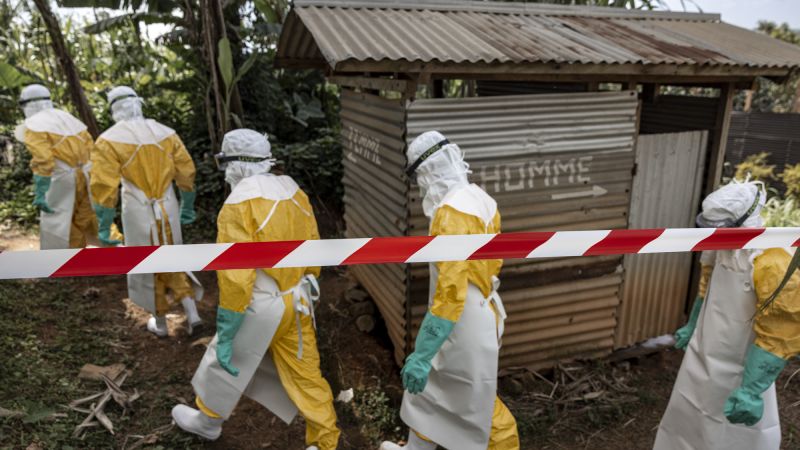
Table of Contents
Clinical Wins in Bunia Amidst Growing Regional Anxiety
The World Health Organization (WHO) has confirmed the discharge of four nurses from a hospital in Bunia, Democratic Republic of Congo (DRC), marking a critical psychological and clinical milestone in the fight against the Bundibugyo strain of the Ebola virus. Along with a recovered laboratory technician, these five survivors provide a necessary proof-of-concept: the virus, while lethal, is survivable when medical intervention is aggressive and timely.
However, these individual victories are playing out against a sobering backdrop. Official data from the Congolese communications ministry shows confirmed cases have climbed to 282, with 42 deaths recorded. The surge is driven by 19 new positive results, suggesting that the virus is still outpacing the current containment infrastructure in the eastern provinces.
The Bundibugyo Complication
Unlike the more common Zaire ebolavirus, for which effective vaccines and monoclonal antibody treatments exist, the Bundibugyo strain presents a significant gap in the global pharmaceutical arsenal. During a visit to Bunia, the capital of Ituri province, WHO Director-General Tedros Adhanom Ghebreyesus acknowledged that there is currently no licensed vaccine specifically for this version of the virus.
The lack of a targeted vaccine shifts the burden of survival entirely onto supportive care—fluid replacement, electrolyte balance, and symptom management. While Dr. Tedros noted that the situation is “not without hope,” the reliance on general medical care rather than preventative immunization makes the outbreak significantly harder to extinguish, especially in regions where healthcare infrastructure is already strained.
A Fragile Global Perimeter
As the DRC and Uganda struggle to contain the epicenter, the focus is shifting to international travel corridors. The risk of regional and global leakage is no longer theoretical. Jean Kaseya, Director-General of the Africa Centers for Disease Control and Prevention (Africa CDC), warned in a recent op-ed that regional spread is already occurring, with more than 1,100 suspected cases currently under investigation.
This anxiety has manifested in a series of high-alert incidents across Europe and South America. In Italy, health protocols were triggered in Cagliari, Sardinia, after a traveler returning from the DRC exhibited symptoms. While the Italian health ministry confirmed on Monday that the patient tested negative, the incident underscored how quickly a single flight can trigger a national security response.
The situation in Brazil has been more complex. In Sao Paulo, a man returning from the DRC presented with a fever and was initially suspected of having Ebola; however, he subsequently tested positive for meningitis. Similarly, in Rio de Janeiro, a patient with a travel history to Uganda tested positive for malaria. Local health authorities cautioned that while these secondary diagnoses were found, they do not definitively rule out the presence of Ebola, as co-infections are possible in high-risk zones.
Systemic Lags in Response
The current crisis is the 17th Ebola outbreak in the DRC’s history and the third-largest in five decades. Critics and health officials alike have pointed to a late start in the global response. By the time the WHO declared the outbreak a public health emergency of international concern last month, the virus had already established deep footholds in the Ituri region.
The gap between the emergence of the Bundibugyo strain and the deployment of resources highlights a recurring flaw in global health security: the tendency to prioritize the most “famous” strains of a virus while ignoring rare variants until they reach a tipping point. For now, the world is relying on the vigilance of airport screening and the resilience of bedside nursing in Bunia to prevent a localized emergency from becoming a global catastrophe.