Bundibugyo Ebola Outbreak Outpaces Global Response as Suspected Cases Reach Brazil
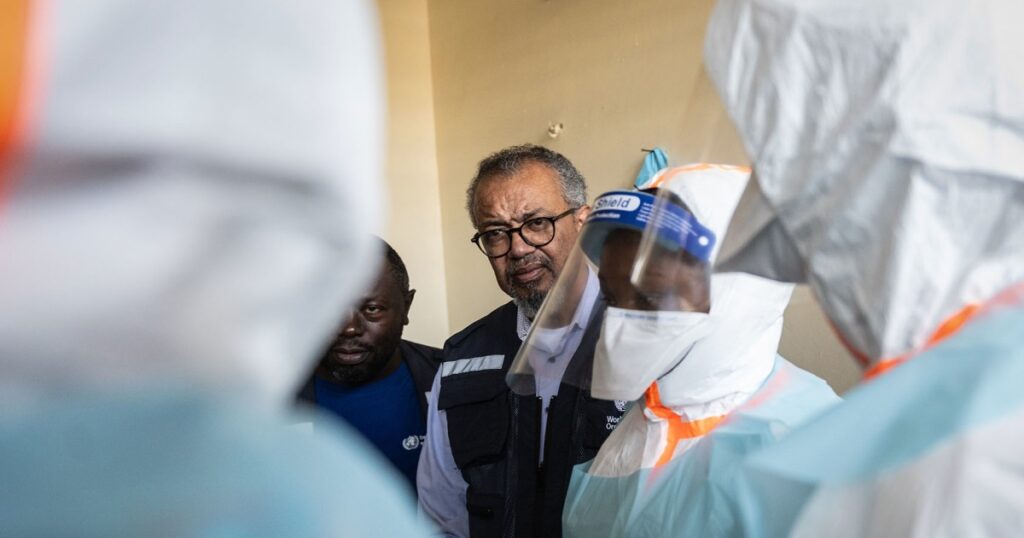
Table of Contents
The Scale of the Bundibugyo Crisis
World Health Organization (WHO) Director-General Tedros Adhanom Ghebreyesus has arrived in the eastern province of Ituri, Democratic Republic of Congo (DRC), as the international community struggles to keep pace with a rapidly accelerating outbreak of the Bundibugyo strain of the Ebola virus. The current crisis is now the third-largest recorded since the virus was first identified fifty years ago, characterized by an unprecedented rate of transmission that has left medical teams and local governments playing a desperate game of catch-up.
According to data released by the Africa Centres for Disease Control and Prevention (Africa CDC), over 1,100 suspected cases are currently under investigation across the DRC and neighboring Uganda. The disparity in official figures highlights the chaos of the current reporting environment; while the Africa CDC reports 263 confirmed cases, the WHO tracker lists 291, with both agencies confirming 43 deaths as of May 30. Just one week prior, confirmed cases stood at 128, illustrating a near-doubling of the infection rate in seven days.
Logistical Hurdles and Community Resistance
The outbreak was declared a public health emergency of international concern last month, though it has not yet met the technical criteria for a pandemic emergency. However, the ground reality in Ituri suggests a system under extreme duress. A joint statement from the DRC government and the WHO noted “persistent challenges” in the fundamental pillars of containment: early detection, isolation of the infected, and the rigorous tracing of contacts.
Beyond the clinical challenges, the response is being hampered by social volatility. Doctors Without Borders (MSF) warned in a Saturday statement that the response has failed to match the speed of the epidemic. This gap has fueled fear and anger within local communities, which in some instances has manifested as violence against health workers. MSF has issued an urgent call for increased medical staffing and expanded testing capabilities to prevent the virus from further entrenching itself in the region.
Global Reach: From Sardinia to Sao Paulo
While the epicenter remains in Central Africa, the virus’s potential for international transmission has triggered high-alert protocols across several continents. The most concerning developments have emerged in South America, where Brazilian health authorities are investigating two suspected cases.
In Sao Paulo, a patient initially suspected of having Ebola tested positive for meningitis. Simultaneously, in Rio de Janeiro, another suspected case tested positive for malaria. Despite these initial diagnoses, local health officials stated on Sunday that neither result definitively rules out a co-infection or a secondary presence of the Ebola virus, keeping the region on high alert.
Europe experienced similar tensions over the weekend in Italy. Protocols were triggered in Cagliari, the capital of Sardinia, after a man returning from the Congo exhibited symptoms. The Italian health ministry confirmed on Monday that the individual tested negative, providing a brief reprieve for European health monitors.
The Path to Survival
Despite the grim statistics, Dr. Tedros has emphasized a message of survival to combat the panic currently gripping the affected zones. Following a visit to a new treatment facility in Bunia, the WHO chief noted that the Bundibugyo strain is survivable even in the absence of advanced vaccines or specific therapeutics, provided that patients receive timely healthcare.
The agency reported a small but critical victory on Sunday, announcing the discharge of four nurses and one laboratory worker from a Bunia hospital. These five recoveries serve as the only confirmed successes in a DRC response currently characterized by a race against time. As Dr. Jean Kaseya of the Africa CDC warned in a recent Financial Times op-ed, the risk of regional spread is no longer a theoretical threat—it is already happening.