Beyond the GIF: Pixi aims to turn iMessage into an AR Playground
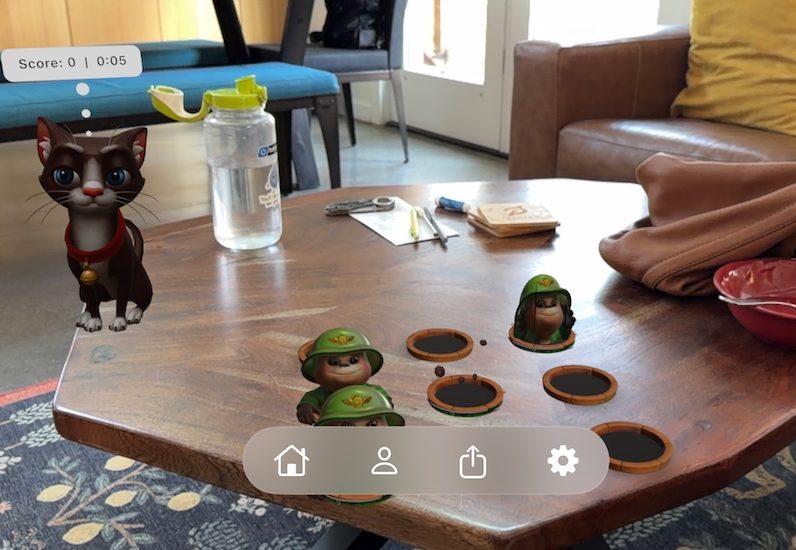
Table of Contents
The evolution of the digital ‘token’
For years, the shorthand for digital affection has been the GIF, the sticker, or the well-placed emoji. While these tools convey mood, they are fundamentally static. Pixi, a new startup founded by former DreamWorks and Apple veteran Mark Drummond, is betting that the next leap in digital communication isn’t more imagery, but presence.
Launched this week on the App Store, Pixi allows users to send AI-powered augmented reality (AR) characters directly through iMessage. Unlike a standard video clip or a Snap lens, these characters are designed to be context-aware. When a recipient opens a Pixi message, the character doesn’t just play a loop; it enters their physical space via the iPhone camera, reacting to the environment and the user in real time.
Drummond describes this as a modern evolution of ‘pebbling’—the act of giving small, thoughtful tokens of affection. By replacing a standard ‘Happy Birthday’ text with a character that interacts with the recipient’s desk or reacts to their facial expressions, Pixi attempts to bridge the gap between a text message and a shared physical experience.
On-device intelligence and emotional cues
The technical differentiator here is the integration of on-device AI. While AR filters have been staples of platforms like Snapchat for a decade, they generally rely on pre-set triggers. Pixi’s characters are designed to perceive and respond to the world. In a recent demonstration, a virtual cat character didn’t just perform stand-up comedy on a tabletop; it adjusted its behavior based on the user’s facial expressions, concluding its routine only once the user smiled.
This level of interaction requires significant processing power, which Pixi handles locally. According to the company, all visual and audio processing remains on the device. This is a critical strategic move, as privacy concerns regarding AI-driven camera access have become a primary friction point for users adopting emerging AR tech.
Initial character roster and utility
At launch, the app offers a small set of interactive entities: a robot, a cat, and an animated envelope. These aren’t just visual flair; they include interactive elements like tic-tac-toe and whack-a-mole. The envelope character, for instance, is programmed with a playful ‘aggressive’ personality, chasing the user if they attempt to move away from the camera.
The vision for an AR marketplace
While the current offering is limited, Pixi’s broader strategy is the creation of a character marketplace. The goal is to move beyond a closed ecosystem, allowing independent creators, movie studios, and global brands to deploy their own IP. Drummond envisions this as a high-impact tool for product launches or premieres—imagine a brand like M&M’s deploying a character to announce a new flavor that can interact with the user’s actual kitchen counter.
To illustrate this to potential partners, Drummond pointed to the potential for an ‘Alice in Wonderland’ character. Because Alice is in the public domain, she serves as a perfect prototype for how a character can react to specific objects on a user’s desk in a way that remains consistent with the character’s established personality.
The roadmap also includes generative AI capabilities, which would allow users to prompt their own characters into existence. This would shift the app from a curated gallery to a creative tool, enabling users to describe a specific entity—such as a ‘growling blue blob’—and have the AI generate the asset and its behavioral logic on the fly.
Accessibility and rollout
Currently, the app is restricted to iOS, requiring an iPhone 11 or newer to support the necessary AR and AI hardware. To send a character, users utilize the iMessage ‘plus’ menu. Notably, recipients do not need the Pixi app installed to experience the AR message, lowering the barrier for viral adoption.
While the app is free for general users, Pixi is implementing a B2B model where brands can choose to monetize their specific characters. However, Drummond suggests that free distribution will be the primary driver for brand ambassadors, favoring reach over immediate per-character revenue.
Plans to expand to Android and integrate with other dominant messaging platforms like WhatsApp and Instagram are expected to follow the initial iOS rollout.