Apple Cuts Intel Support Entirely with macOS 27 ‘Golden Gate’
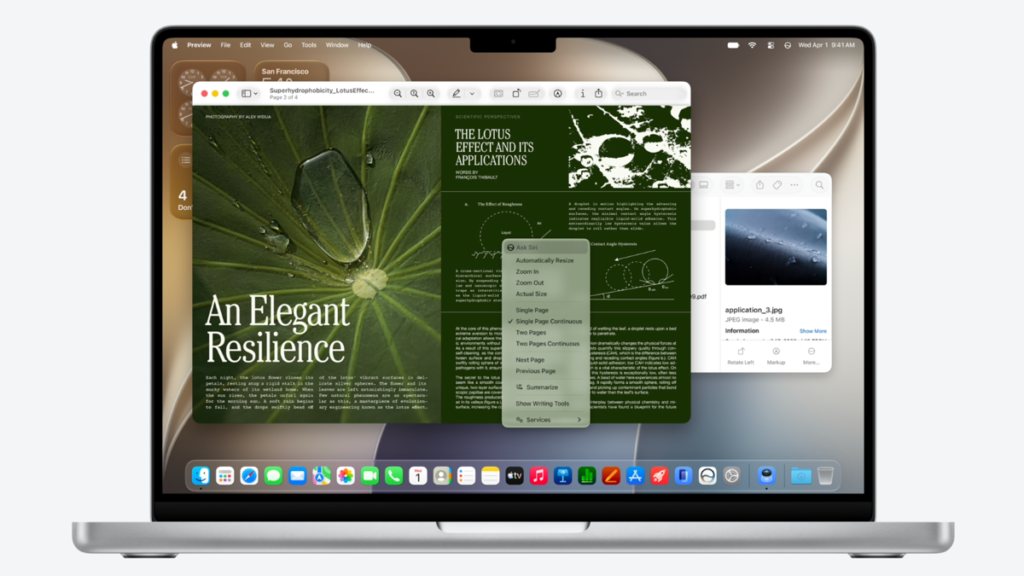
Table of Contents
The final curtain for Intel silicon
Apple has officially closed the book on the Intel era for the Mac. During Monday’s WWDC keynote, the company unveiled macOS 27, internally dubbed ‘Golden Gate,’ confirming that the latest operating system will exclusively support Macs powered by Apple Silicon. While the transition began years ago with the introduction of the M1 chip in 2020, this marks the first time a major macOS release completely ignores the x86 architecture.
For users still clinging to an Intel-powered MacBook Pro or iMac, the message is clear: the hardware has finally hit its ceiling. While macOS 26 served as a transitional bridge—the last version to support the older chips—macOS 27 represents a hard pivot toward a future where the OS is deeply integrated with the neural engine and unified memory architecture found only in M-series chips.
The AI divide: Why M-series is now mandatory
The decision to drop Intel support isn’t just about aging hardware; it’s about the technical requirements of Apple Intelligence. The core of macOS 27 is the next-generation Siri, which relies on local, on-device Large Language Models (LLMs) to process requests with higher privacy and lower latency. These workloads require the specific NPU (Neural Processing Unit) capabilities of Apple Silicon to function without crippling system performance.
According to Apple’s technical documentation, the new ‘Liquid Glass’ design language—which introduces more fluid transparency effects and dynamic UI elements—also leverages GPU optimizations specific to the M-series architecture. By removing the need to maintain a codebase for Intel’s graphics drivers, Apple can push the visual fidelity of the OS further than was previously possible.
Compatibility and the ‘Security Window’
The compatibility list for macOS 27 is straightforward: if it has an M1 chip or newer, it’s supported. This includes the baseline M1 MacBook Air and iMac, as well as the high-end M-Ultra workstations. The shift creates a stark divide between users who can access the new child safety tools and AI-driven productivity features and those left behind on macOS 26.
For those on the unsupported Intel machines, the situation isn’t immediately dire, but the clock is ticking. Apple typically provides security updates for the two previous versions of macOS. This means Intel Macs running macOS 26 will likely receive critical security patches for roughly two more years, but they are now effectively frozen in time. They will not receive new features, updated APIs, or the advanced system optimizations found in Golden Gate.
Rollout timeline
The transition to macOS 27 begins immediately for members of the Apple Developer Program, who can install the beta today. A public beta is expected to arrive in July, allowing a broader set of users to test the stability of the ‘Liquid Glass’ interface and the new Siri integrations. The final retail build is scheduled for a general release this fall, coinciding with the typical launch window for new Mac hardware.
As Apple continues to tighten the ecosystem around its own silicon, the secondary market for Intel Macs is expected to see a further decline in value. The move signals a broader industry trend where software is no longer just ‘compatible’ with hardware, but fundamentally dependent on specific AI-accelerated chipsets to function.