Amazon’s Kindle Sunset Triggers a Wave of Hardware Jailbreaking
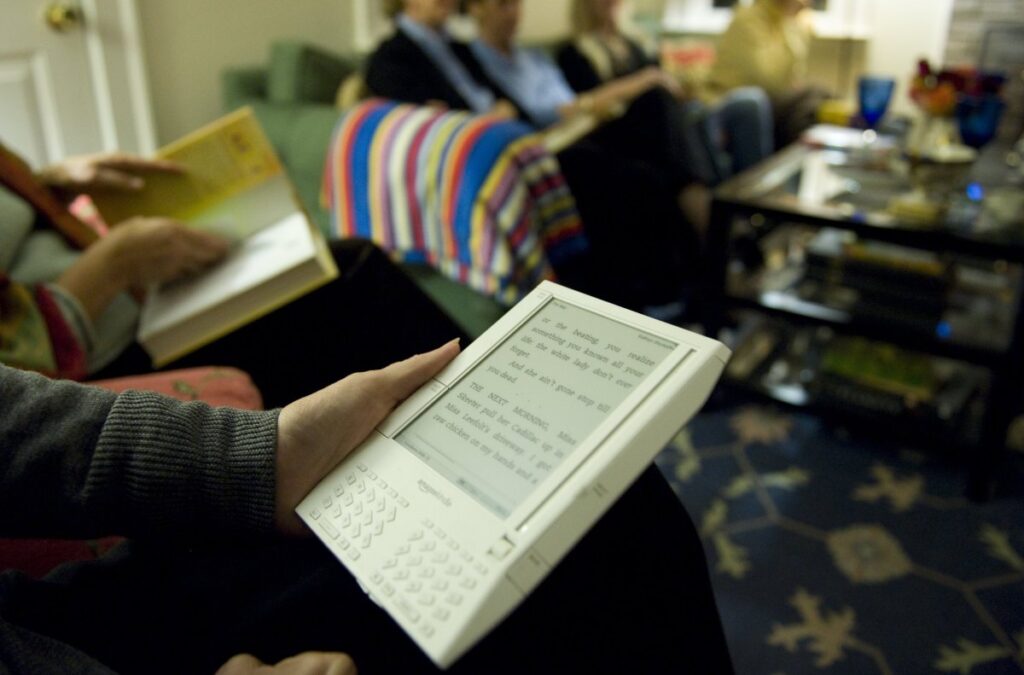
Table of Contents
The End of the Legacy Kindle
Amazon is officially winding down technical support for several of its older Kindle models, effective May 20. While the company views this as a standard lifecycle transition, for thousands of users, it feels like a forced obsolescence of hardware that remains perfectly functional. The move effectively turns these devices into offline vaults; users can still read content already downloaded to the device, but the seamless integration with the Amazon ecosystem—syncing, cloud libraries, and remote updates—is disappearing.
Rather than upgrading to the latest Paperwhite or Scribe, a growing contingent of the e-reader community is opting for a more rebellious path: jailbreaking. By bypassing Amazon’s software restrictions, users are attempting to reclaim ownership of their hardware, transforming a dormant tablet into a customizable open-platform device.
Beyond the Amazon Ecosystem
For the uninitiated, jailbreaking a Kindle isn’t about piracy, though that is often the first assumption. Instead, it is about utility. The standard Kindle OS is a closed garden, designed to keep users within the Amazon storefront. Breaking those shackles allows enthusiasts to install custom fonts, implement a wider array of screensavers, and integrate third-party reading apps that offer more granular control over typography and layout than Amazon permits.
The surge in interest is largely driven by the desire to avoid the ‘e-waste’ cycle. Many of the devices being sunsetted are praised for their build quality and battery life, leading owners to argue that the hardware is not the problem—the software is. By installing custom firmware, users can often bridge the gap that Amazon’s lack of support created, enabling new ways to manage libraries without relying on a severed connection to Amazon’s servers.
The Risks of Firmware Manipulation
However, the path to an open Kindle is fraught with technical hurdles. Jailbreaking is not a one-click process; it requires a level of comfort with firmware versions and system directories that the average reader may not possess. More importantly, it carries the inherent risk of ‘bricking’ the device. A single error during the installation of a custom kernel can render the e-reader a useless slab of plastic and e-ink.
There is also the matter of the Terms of Service. While jailbreaking for personal use is generally legal in many jurisdictions under the Digital Millennium Copyright Act (DMCA) and similar laws, it technically violates Amazon’s user agreement. For most, this is a moot point—once support is ended, the risk of losing ‘official’ support is negligible. However, the real-world trade-offs are more immediate: unofficial software can lead to unstable battery performance and frequent application crashes.
Alternative Paths to Digital Longevity
For those who find the prospect of modifying system partitions too risky, sideloading remains a viable, though limited, alternative. Using a USB cable and software like Calibre, users can manually transfer EPUB or MOBI files onto their devices. This avoids the need to modify the OS entirely, though it lacks the expansive functionality that a full jailbreak provides.
The trend also highlights a shifting market in the e-reader space. As users grow weary of the restrictive ecosystems of the biggest players, niche competitors are gaining traction. Devices like the Boox Palma and the Vivlio e-reader are increasingly attractive because they offer Android-based flexibility out of the box, eliminating the need for the risky ‘cat-and-mouse’ game of jailbreaking.
As the May 20 deadline approaches, the Kindle community is essentially conducting a massive experiment in hardware longevity. It is a clash between the corporate desire for a predictable upgrade cycle and a user base that believes a device should work as long as the screen still turns on.