Air Defense Systems Tested as Iran and Israel Trade Direct Missile Strikes
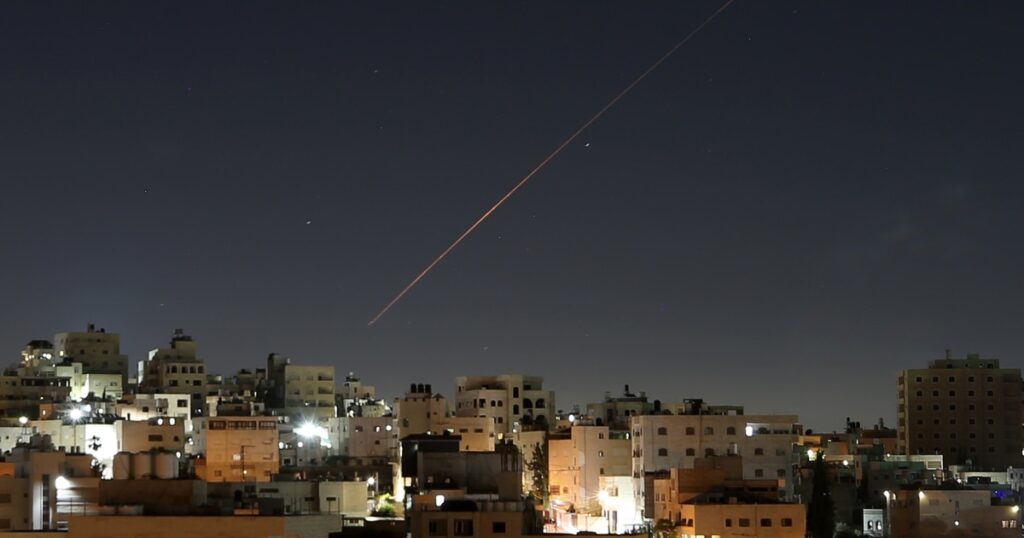
Table of Contents
A Direct Confrontation in the Skies
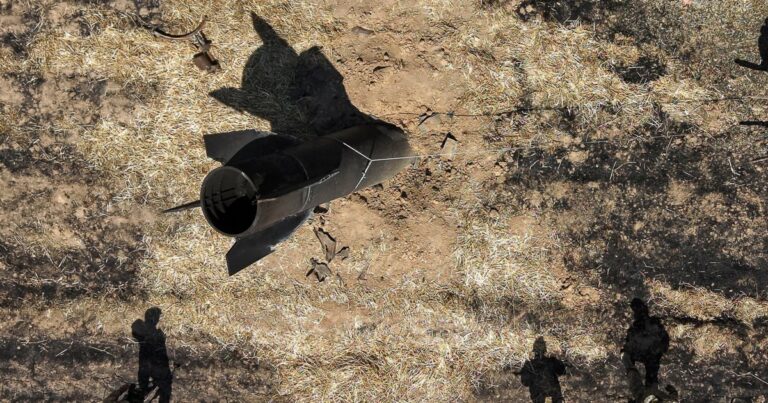
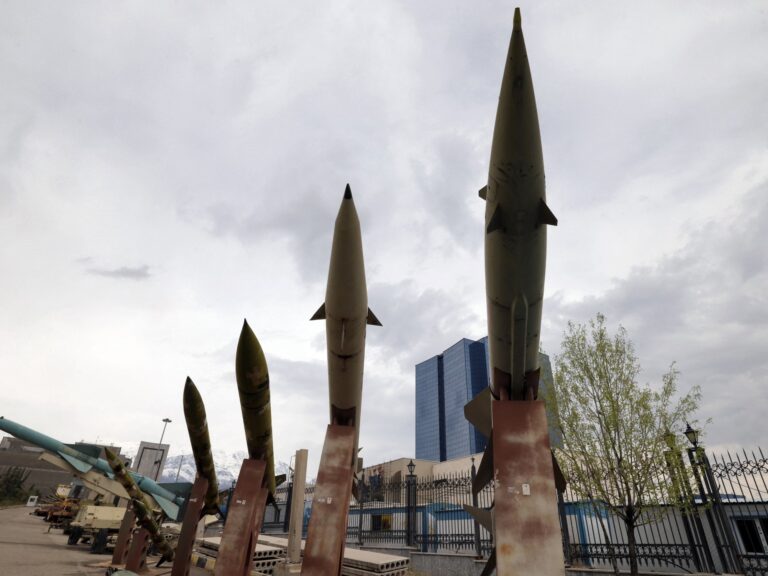
The long-standing shadow war between Tehran and Jerusalem has shifted into a direct kinetic exchange, as Iran’s Islamic Revolutionary Guard Corps (IRGC) launched a series of ballistic missiles targeting critical Israeli military infrastructure. The strikes, which the IRGC claims targeted the Nevatim Airbase in the Negev desert and the Tel Nof Airbase in the Central District, represent a significant escalation in the use of long-range aerospace technology to penetrate one of the world’s most sophisticated integrated air defense networks.
According to the IDF, defensive systems were activated immediately to intercept the incoming threats. While the Israeli military confirmed the launch of multiple waves of missiles from Iranian soil, the full effectiveness of these interceptions remains a point of intense technical scrutiny. Yechiel Leiter, Israel’s ambassador to the U.S., stated that Iran fired 11 ballistic missiles, asserting that no sovereign nation could tolerate such a breach of airspace.
The Technology of Interception
The engagement serves as a real-world stress test for Israel’s multi-layered defense architecture. This system relies on a combination of the Iron Dome for short-range threats, David’s Sling for medium-range projectiles, and the Arrow series for exo-atmospheric interception of ballistic missiles. The IRGC Aerospace Force specifically aimed to demonstrate its ability to bypass these layers, claiming in a statement on X that the “skies over the occupied territories” are now under their control.
However, the operational reality suggests a high interception rate. Magen David Adom, Israel’s emergency services, reported no immediate casualties from the strikes, though paramedics were deployed to the West Bank to treat individuals injured while rushing to shelters. The technical challenge for Iran remains the “saturation attack”—launching enough projectiles simultaneously to overwhelm the processing capacity of Israeli radar and the available inventory of interceptor missiles.
Symmetric Responses and Industrial Targets
Israel’s counter-strike focused on the intersection of military capability and industrial infrastructure. The IDF confirmed strikes on a petrochemical facility in Mahshahr, located in southwestern Iran. This choice of target highlights a strategic focus on Iran’s economic and energy hubs, which often double as logistics centers for military operations. Valiollah Hayati, deputy governor for security affairs in Khuzestan Province, confirmed damage to the facility via the Fars news agency, though the full extent of the technical failure at the plant has not been disclosed.
Beyond the petrochemical hits, the IDF indicated it is specifically targeting surface-to-surface missile launch sites. By neutralizing these platforms, Israel aims to degrade Iran’s ability to sustain a prolonged ballistic campaign.
The Red Sea Variable
The conflict has expanded beyond a bilateral exchange. Yemen’s Houthi rebels have entered the fray, claiming a barrage of missiles targeted Jaffa. More critically, the Houthis announced a “complete and total ban” on Israeli maritime navigation in the Red Sea. This move leverages asymmetric warfare to threaten global shipping lanes, turning a regional territorial dispute into a global logistics crisis. The use of drones and anti-ship missiles by Houthi forces adds another layer of complexity to the regional security map, forcing Western navies to maintain a constant state of high alert.
Diplomatic Friction and Security Alerts
The timing of these exchanges is particularly volatile, coming shortly after President Donald Trump suggested he would advise Israel against retaliation. This disconnect between Washington’s diplomatic preferences and Jerusalem’s security imperatives has created a tense atmosphere. The U.S. Embassy in Jerusalem took the rare step of ordering government employees and their families to shelter in place, reflecting the unpredictable nature of the current missile trajectories.
As the IRGC maintains that its operational units are at “full readiness” for larger-scale maneuvers, the region remains in a state of precarious equilibrium, where the next phase of escalation may depend on the technical success or failure of current interception efforts.