Google Pivots Hardware Strategy with ‘Googlebook’: A New AI-First Laptop Category Built for Gemini
Google unveils the Googlebook, a new breed of laptops designed from the ground up for Gemini AI, signaling a major shift away from traditional ChromeOS architecture.
A Departure from the Chromebook Era
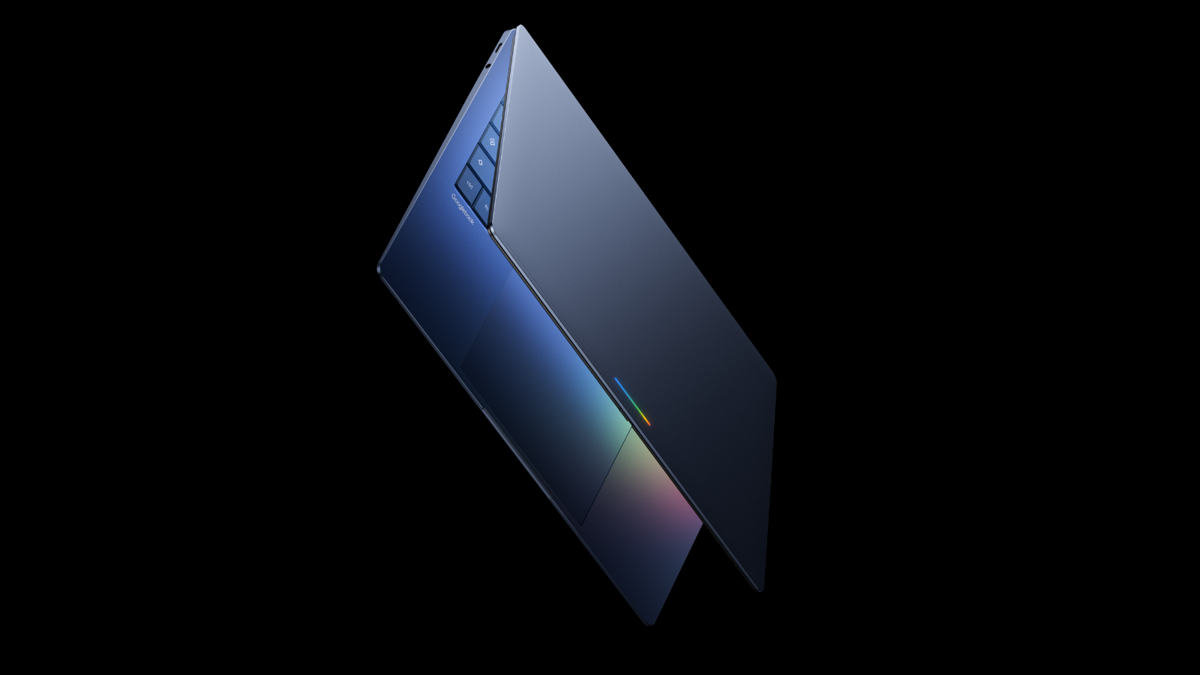
Google is attempting to redefine the laptop category once again. At the Android Show: I/O Edition on Tuesday, the company unveiled the “Googlebook,” a new hardware class designed specifically to operate as an intelligence system rather than a traditional computing platform. While Chromebooks were built for a cloud-first world, Google is positioning the Googlebook as the first device built from the ground up for Gemini Intelligence.
The move suggests a strategic pivot in how Google views its ecosystem. For over 15 years, ChromeOS served as a lightweight gateway to the web. However, as generative AI shifts the primary interaction model from clicking folders to prompting agents, Google believes the underlying operating system needs to evolve. According to Alex Kuscher, Google’s Senior Director, the industry is moving toward a state where computing is driven by intelligence systems, necessitating a rethink of the laptop form factor and software stack.
The OS Mystery and ‘Project Aluminum’
One of the most significant revelations—and ambiguities—of the announcement is the operating system. Google explicitly stated that Googlebooks will run on a “modern OS designed for Intelligence,” notably avoiding any mention of ChromeOS. This heavily implies the debut of “Project Aluminum,” the long-rumored convergence of Android and ChromeOS.
By unifying these two platforms, Google can offer a more cohesive experience where Android apps run natively with desktop-class fluidity, while the system leverages a deep integration of Gemini. This would position Googlebooks as a direct competitor to Microsoft’s Copilot+ PCs, moving beyond simple AI wrappers to an OS where the LLM is baked into the kernel and user interface.
Gemini-Driven User Interface
The centerpiece of the Googlebook experience is the “Magic Pointer.” Unlike a traditional cursor, the Magic Pointer uses Gemini to interpret on-screen context in real-time. By wiggling the cursor over a specific element, the AI can take action—such as automatically scheduling a meeting when hovering over a date in an email or performing a visual composition by selecting a furniture item and a room image to see how they fit together.
Further customization comes via a “Create your Widget” tool. Rather than choosing from a preset list of clocks or calendars, users can use Gemini prompts to build bespoke functional widgets tailored to their specific workflow, effectively allowing the UI to be generated by the user’s needs.
Hardware Partners and Ecosystem Synergy
While Google is handling the software and architectural vision, the hardware will be produced by a consortium of established partners, including Acer, Asus, Dell, HP, and Lenovo. The first wave of devices is slated for a fall release. While detailed specifications remain under wraps, Google described the lineup as having a “Featherweight Design with Heavyweight Power,” suggesting a focus on premium ultraportables.
A defining visual trait will be a “glowbar” lightstrip integrated into the lid of every model, serving as a physical indicator of AI activity or system status. To bolster the ecosystem, Google is introducing “Quick Access” and seamless app casting, allowing users to search their Android phone’s files directly from the laptop or stream mobile apps without a local installation.
The pricing strategy remains speculative, but the emphasis on “premium craftsmanship” suggests a price point significantly higher than entry-level Chromebooks. With high-end ChromeOS devices already touching the $1,000 mark, the Googlebook will likely target the professional and enthusiast markets, challenging the dominance of MacBook Air and Windows AI PCs.
Related News
Related Articles
Vivo Launches Pad 5c in China: A High-Battery Alternative to the iQOO Pad 5c
Vivo expands its tablet lineup with the Pad 5c, featuring a massive 10,000mAh battery, Snapdragon 8s Gen 3, and a 144Hz 2.8K display.

Hands-on With the T1 Phone: Gold Plastic, Shipping Chaos, and the Reality of Trump Mobile
A first look at the Trump Mobile T1 Phone 8002. From shipping errors to questionable build quality, we dive into the hardware and software of the T1.
Nokia Revives the ‘Dumbphone’ with a Twist: New 4G Feature Phones Get Dedicated AI Buttons
HMD's Nokia brand refreshes its feature phone lineup with 4G connectivity and a surprising new AI assistant button for voice commands.
Comments (0)