The Summer Shift: Tracking the Tech Trends Winning and Losing in 2026
From the decline of AI slop to the rise of intentional analog pockets, we analyze the cultural and technical shifts defining this summer's digital landscape.

The Great Digital Recalibration
Every summer, the tech industry hits a peculiar inflection point. The frenzy of Q1 product launches settles, and the reality of how people actually use these tools in the wild begins to emerge. In 2026, that reality is characterized by a profound tension between the hyper-automation of our lives and a desperate, growing desire for friction.
For years, the industry mantra was “seamlessness.” The goal was to remove every possible barrier between a user’s intent and the result. But as we enter the midpoint of the year, the pendulum is swinging. We are seeing the emergence of what editors are calling “intentional friction”—a conscious move away from the algorithmically curated streams that have defined the last decade of internet culture.
The Decline of ‘AI Slop’
If 2024 and 2025 were the years of AI novelty, 2026 is the year of the AI hangover. The term “AI slop”—referring to the deluge of low-effort, synthetically generated content flooding social feeds and search results—has moved from a niche complaint to a mainstream consumer grievance. Users are increasingly fatigued by the uncanny valley of generative imagery and the hollow prose of LLM-driven articles that offer no original insight.
The trend this summer is a decisive pivot toward verifiable humanity. We are seeing a resurgence in long-form journalism, handwritten notes, and community-led forums where the absence of bots is a featured amenity rather than a bug. The “In” list for this season isn’t about a new gadget, but a new standard: authenticity over efficiency.
Hardware: From Ecosystem Locks to Modular Curiosity
On the hardware front, the rigid ecosystems of the early 2020s are beginning to fray. While the big players still maintain their walled gardens, there is a noticeable shift toward hardware that promises longevity and repairability. The summer of 2026 is seeing a spike in interest for devices that don’t demand a subscription to function.
We’re seeing a move toward “dumb-adjacent” devices—gadgets that provide a specific utility without the baggage of a full OS. Think high-fidelity audio players that don’t have notifications, or e-ink tablets designed specifically for deep work. The trend is a tactical retreat from the “everything device” in favor of tools that do one thing exceptionally well and leave the rest of our attention alone.
The Social Paradox: Connection Without Curation
The way we socialize digitally is also undergoing a metamorphosis. The era of the polished, curated feed has largely collapsed under the weight of its own artificiality. Instead, there is a move toward “micro-communities”—small, gated digital spaces like Discord servers or private group chats where the social contract is based on shared interests rather than algorithmic discovery.
The “Out” list is clear: the public square of the massive social network is feeling increasingly like a billboard. The “In” list is the digital campfire—intimate, unindexed, and human-centric. As we navigate the heat of the season, the most valuable digital currency isn’t likes or views; it’s trust.
Related Articles

The OMB’s Quiet Pivot: How a Rule Change Could Politicize $1 Trillion in Federal Research
A proposed 412-page OMB revision aims to align federal grants with presidential priorities, potentially ending the era of independent peer-reviewed science in the US.
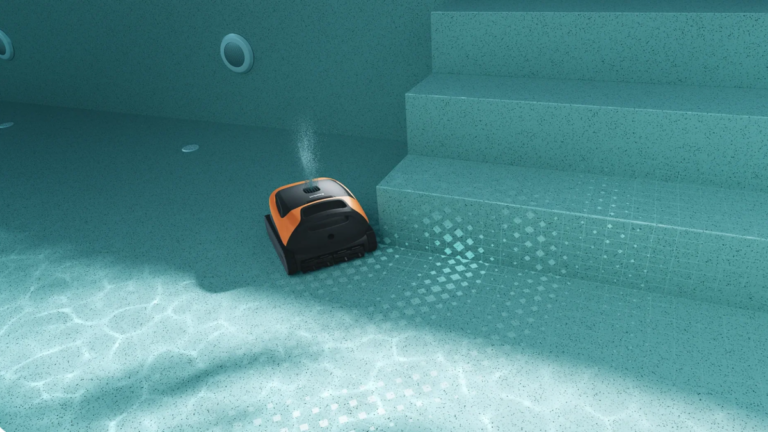
Beatbot Pivots to ‘All-Zone’ Automation With New AquaSense X and Solar-Powered iSkim
Beatbot expands its robotic pool cleaner lineup with the flagship AquaSense X and solar-integrated iSkim, targeting the high-end automation market.
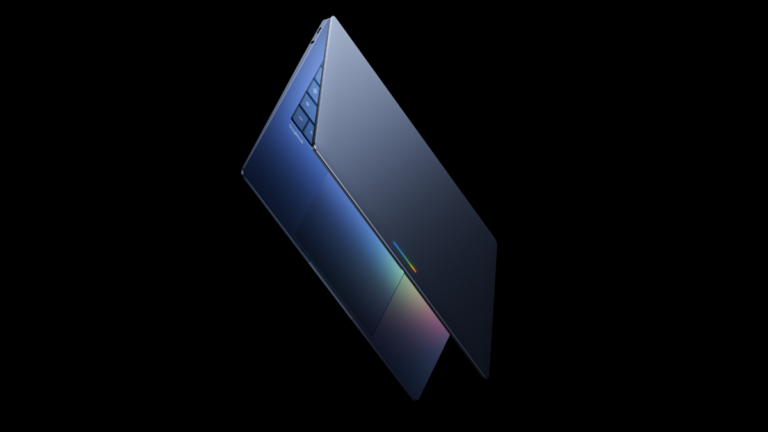
Google Pivots Hardware Strategy with ‘Googlebook’: A New AI-First Laptop Category Built for Gemini
Google unveils the Googlebook, a new breed of laptops designed from the ground up for Gemini AI, signaling a major shift away from traditional ChromeOS architecture.
Comments (0)